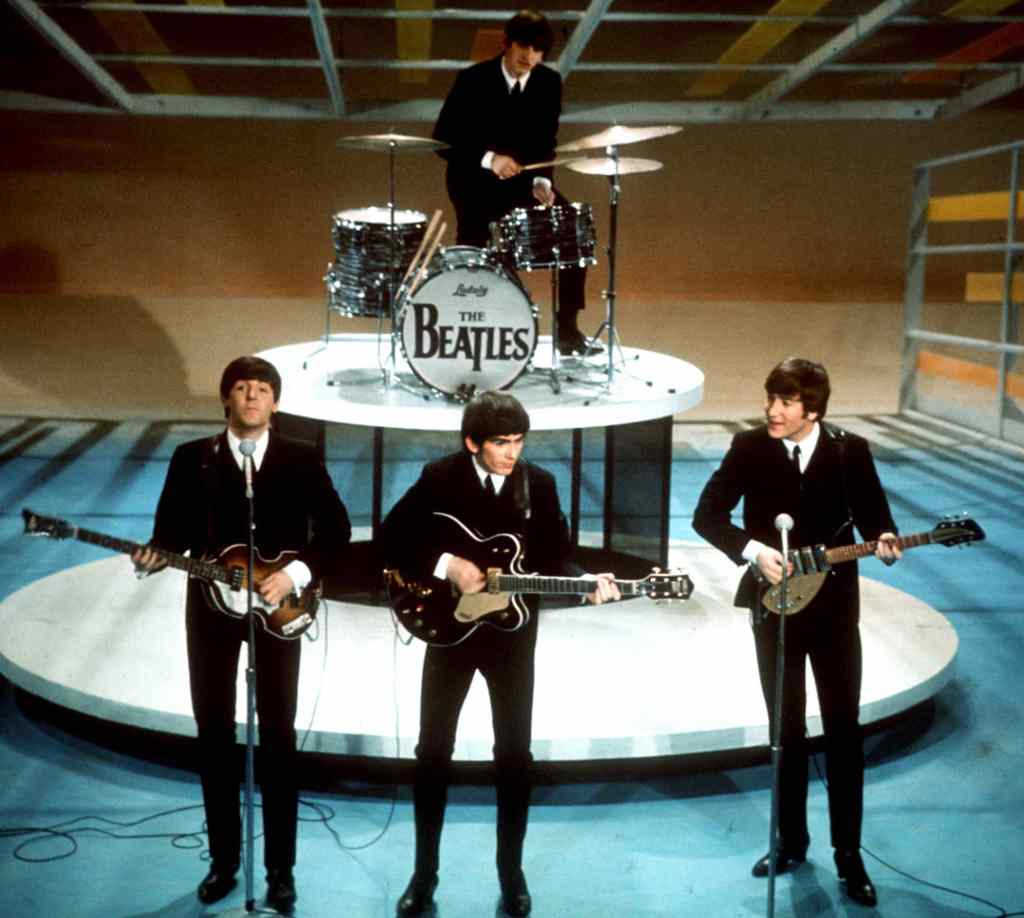
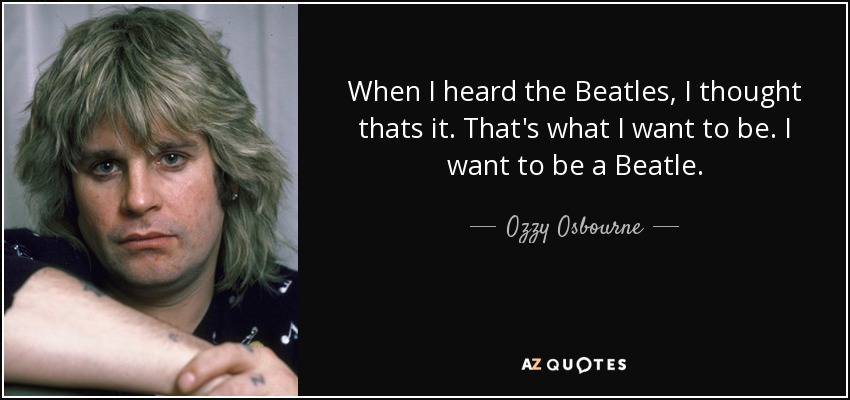
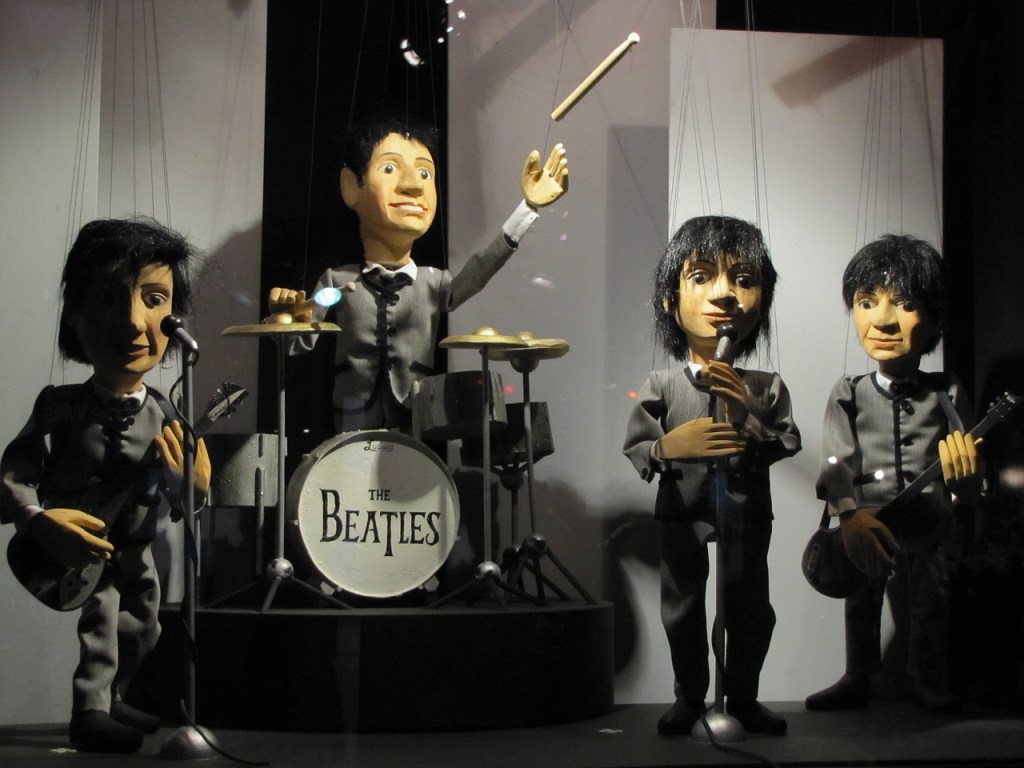
February 9th, 1964, 62 years ago today, the Beatles first appeared on “The Ed Sullivan Show” kicking off what later became known as the British invasion. Over the years, I’ve heard so many musicians state that their dream of becoming a rock star began that cold February night. Ozzy stands out. I believe it, too. I’ve heard it described as everything going from black and white to technicolor. So I thought today would be it. Today I’ll discuss my favorite Beatles song of all time.
For decades, I could not tell you which Beatles song was my favorite. There are several Beatles songs that remind me of my childhood and my mom. All of The Beatles (better known as The White Album) reminds me of my semester bumming around Spain. Then there were the Anthologies during my high school years with new music! Real Love and Free as a Bird definitely fit in the ‘90s with the likes of Oasis and Blur. In fact, I once read a comment that stated Oasis’s entire career could be summed up by Revolver. Adoring Oasis before the egos took over, I can’t unsee that comment or disagree with it. Let’s face it: Most of the music I adore would simply not exist without the Beatles’ example. This is especially true of 90’s alternative, although 90’s artists seemed to take themselves just a bit too seriously. Regardless, the Beatles will always remain a revelation and inspiration.
So why A Day in the Life? Well, first, it is the final track on my favorite Beatles album: Sgt. Pepper’s Lonely Hearts Club Band. I consider it my favorite Beatles album for one reason and one reason only: Every time I listen to it, I have to listen to every. single. track. No skipping. I know of no other album, Beatles or otherwise, that is that good beginning to end. Of course, it is considered the first concept album, too.
Also, A Day in the Life is a perfect example of why I love the Beatles music so much. First, it tells a story. One can get lost in the lyrics and the story. Second, it is pure Lennon/McCartney magic. Not too hard, not too sweet – just right! It is really two songs in one with a memorable bridge in between. There are plenty of examples of Beatles songs structured like this, but it is the Wings songs that come to mind. Some of my favorites, Band on the Run, Live and Let Die, and Uncle Albert/Admiral Halsey, just to name a few. What’s not to love? So, let’s take a minute today to appreciate all the amazing music we’ve enjoyed over the last several decades.
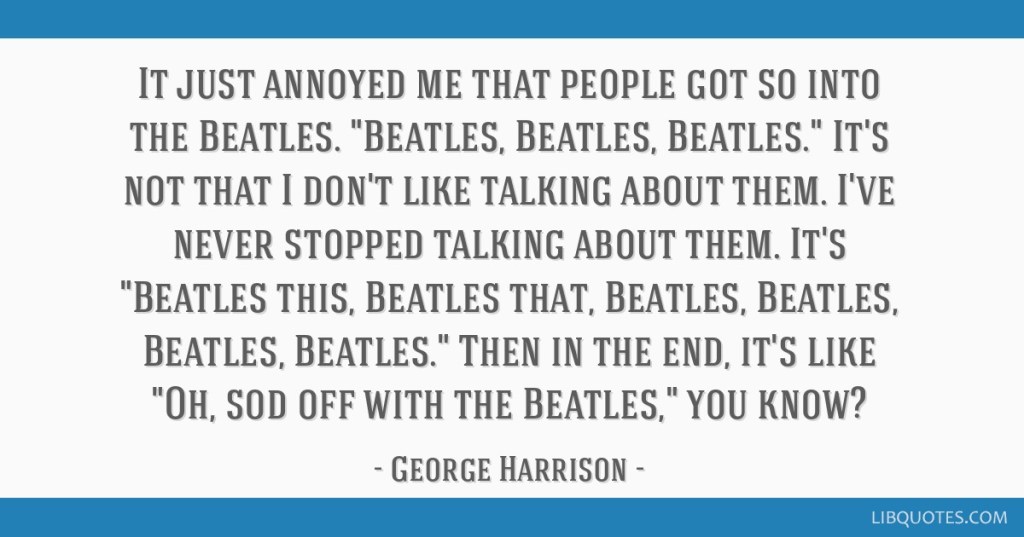
Ladies and gentleman, quite possibly the best Beatles quote by a Beatle.
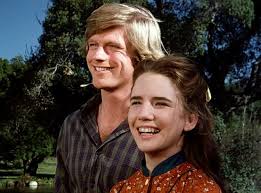
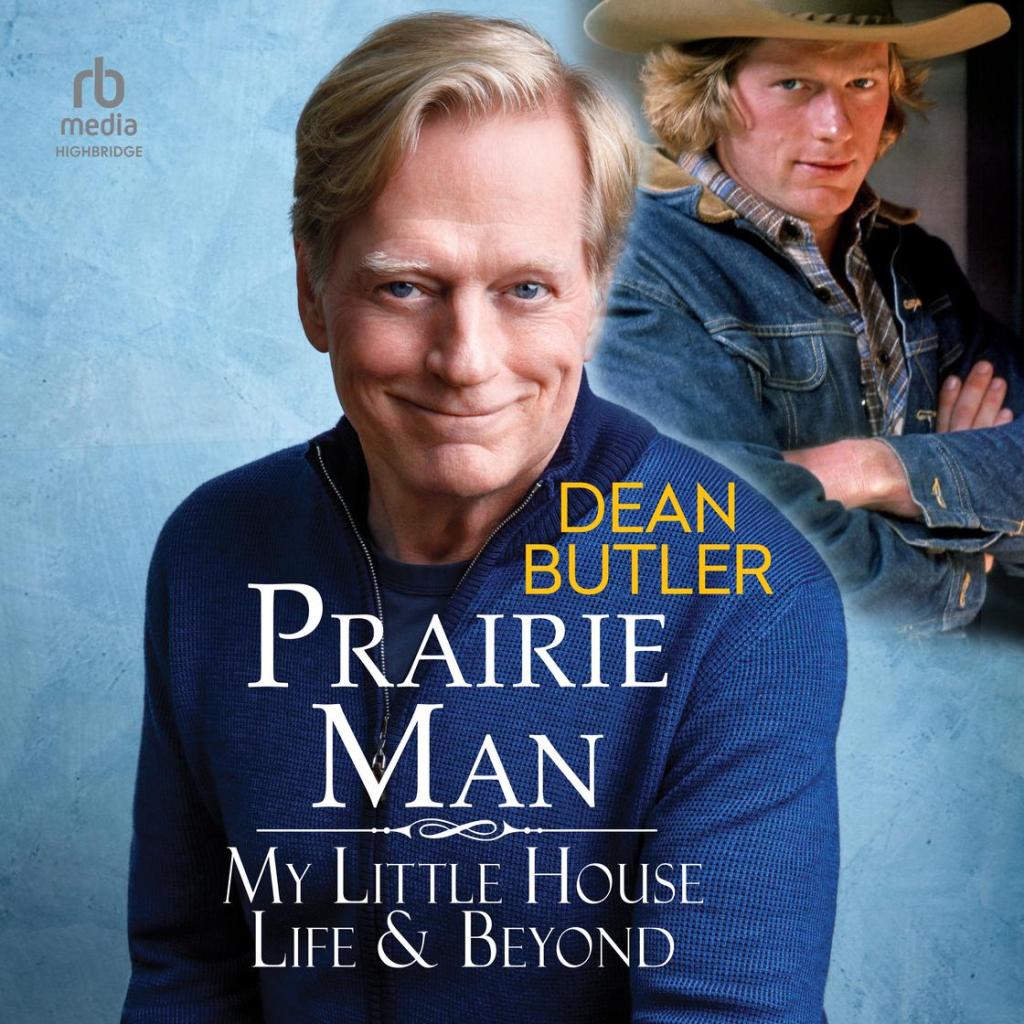
Dean Butler as Almanzo Wilder in Little House on the Priarie
This year, the TV show Little House on the Prairie celebrates 50 years since its television debut. Oh, and does that show still have a following. To celebrate, several events were held at various locations throughout the country, including most of the homesites of the Ingalls and Wilder families. They even recreated several of the sets at Big Sky Movie Ranch in Simi Valley, California, where most of the series was filmed. Infamously, the last installment of the series saw the original set of the town literally destroyed as part of the plot. Under the terms of filming, the producers of Little House on the Prairie contractually had to return the land to its original condition.
So, where does Prairie Man by Dean Butler come in? First, the book debuted this summer in the midst of all of the events. Second, and most importantly, Dean Butler, who played Almanzo Wilder in the last years of the series, and Alison Arngrim, the one and only Nellie Oleson, who famously penned Confessions of a Prairie B*tch, have worked tirelessly to keep the legacy of the TV show alive. In fact, this entire year, they decided to host a podcast dedicated to all things relating to the 50th anniversary of the Little House on the Prairie TV show.
Prairie Man stands out for a couple of reasons. First, I may not be technically correct on this, but I believe that Dean Butler is the oldest surviving male cast member. Several actors that played young boys on the series survive, but the grown men, including Michael Landon, Victor French, Richard Bull, and Dabs Greer, just to name a few, are long gone. While there are several memoirs written by female cast members, including two alone written by Melissa Gilbert, Prairie Man is the only one written by a man.
While I’ve only read Confessions of a Prairie B*tch by Alison Arngrim (you can read my review here) and Prairie Man by Dean Butler, they could not be more different. I loved both, but I enjoyed Butler’s sense of history, not to mention his diplomatic handling of tensions between fans of the books and fans of the TV show. He addressed all of the controversies surrounding both series well.
I learned a lot. While I knew that Rose Wilder Lane’s “adopted” grandson, Roger Lea McBride, ended up with the television rights to the novels, I did not know the full story. The real story is included in Prairie Man. In the early 70s, Ed Friendly purchased the rights from McBride due to his wife’s and daughter’s love of the books. Only when Michael Landon became involved as executive producer, taking the TV show further and further from the original books, did trouble occur. According to Butler, Roger Lea McBride became horrified when realized what he had done. Like Friendly, he envisioned a TV series much more faithful to the books.
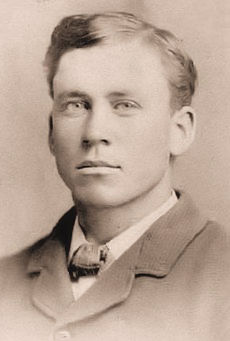
The real Almanzo Wilder, subject of Farmer Boy by Laura Ingalls Wilder
Eventually, all of this grew tension between Landon and Friendly. Landon’s vision, of course, ultimately prevailed. It may have been for the best. Ask yourself, how many children and adults were introduced to the books via the TV show? Alison Arngrim even admitted that she didn’t read the books until after being cast as quite possibly the best child villain ever portrayed on television, Nellie Oleson. Michael Landon may have taken extreme creative license, but love it or hate it, Little House on the Prairie, the television show, is still shown all over the world in syndication 50 years later. It will not die.
The funny thing is that I used to blame Roger Lea McBride for selling the rights to the television series and Michael Landon for what it became. I used to view the Little House series of books as a cautionary tale as to what can happen if an author’s legacy isn’t well-guarded or just ends up in the hands of attorneys. For those who don’t know, Rose Wilder Lane never had children (she never formally adopted Lea), and thus, with her death in 1968, Laura Ingalls Wilder and Almanzo Wilder no longer had any direct descendents. I see it differently today. I suppose I now subscribe to the old saying “any publicity is good publicity.”
While I probably would have discovered all of the books on my own, especially after my 2nd grade teacher, Mrs. Butz, read Little House in the Big Woods to our class, I doubt any of it would have left such a lasting impression without the TV show. Early elementary school would not have been the same without it. I distinctly remember jumping off the bus after school, pigtails flying behind me, eager to catch the 4 PM reruns. Funny note: Due to the fact that I grew up on the reruns, I thought Dean Butler was significantly younger, by at least a decade, than he actually is. His book, of course, made this clear.
Today, I am not necessarily a fan of the TV show, although I do greatly admire what Dean Butler and Alison Arngrim have done for all Little House on the Prairie fans. I suppose I am not a typical fan. Normally, most people are devoted fans of the books or the TV show, not necessarily both. More than anything, I am a huge fan of the real person, the writer herself, the real Laura. Her true story is far more fascinating than just the books. She lived an incredibly full additional 70 years after the life she described in all of her books. When you add in all of the drama surrounding her only daughter, Rose Wilder Lane, it justifies all of the relatively new scholarly work surrounding the Ingalls and Wilder families. There are still so many questions left to answer.
If you are interested in the Little House series at all, whether book or TV show, Prairie Man is well worth reading. Butler makes the case that he feels he was born to play Almanzo. Growing up on a ranch in California, he describes in detail how his entire career has been shaped by that one role. As he grew older, he decided to lean into it and run with it, much as Alison Arngrim has over the last few decades. Fortunately for Little House fans, its incredible legacy is in good hands for the time being.
You can also check my review of Prairie Fires by Caroline Fraser here.
Written during the pandemic as an example for a poetry project I assigned my middle school students. They needed to take a line from a favorite song and then use that line to begin a poem.
There are places I remember Places that hold memories long forgotten Long shadows, witnesses to the past Smells that immediately transport me back
Back to a simpler time when we could gather freely Children could be kids Adults accepted responsibility A time when freedom reigned and the republic lived
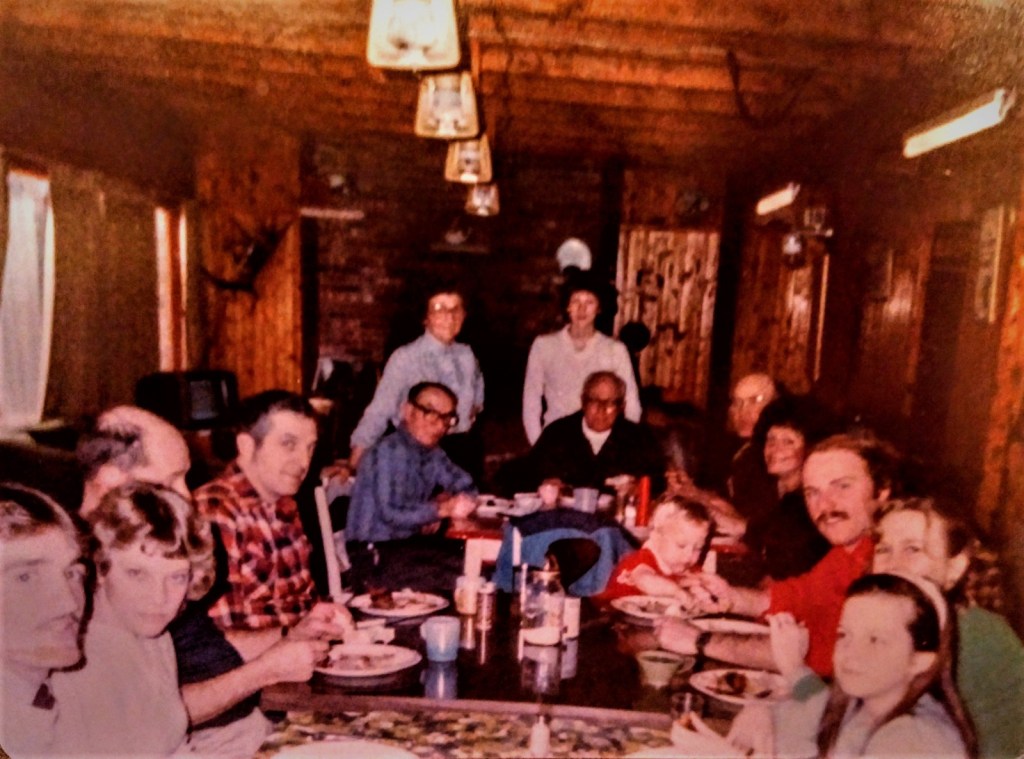
A black and white portrait here, Kerosene lanterns afixed to the wall Polished glass overlooking the cedar swamp The coziness of a Franklin stove
My sister and I, in curls, smocked dressed, and bows Polished patent leather shoes and all smiles Helping mom and grandma prepare Thanksgiving Waiting for hunters to return and string a buck up on the pole
Living as pioneers until nightfall, the generator roaring to life The bustle and business of extended family Cards, laughter, and love Cousins, forts, and leaves
Memories long buried, decades past Rising each fall with the smoke from burning leaves
At times, the ending of a TV series works, and at others, it doesn’t (I’m looking at you Seinfeld!). When Cheers aired its final episode in May 1993, I watched. I remember Shelley Long (Diane) returning and the cast partying as it aired (infamously so), but I do not remember it being so poignant. The final scenes with Sam and Norm, and later, Sam alone in the bar, are now among my favorite TV series endings of all time.
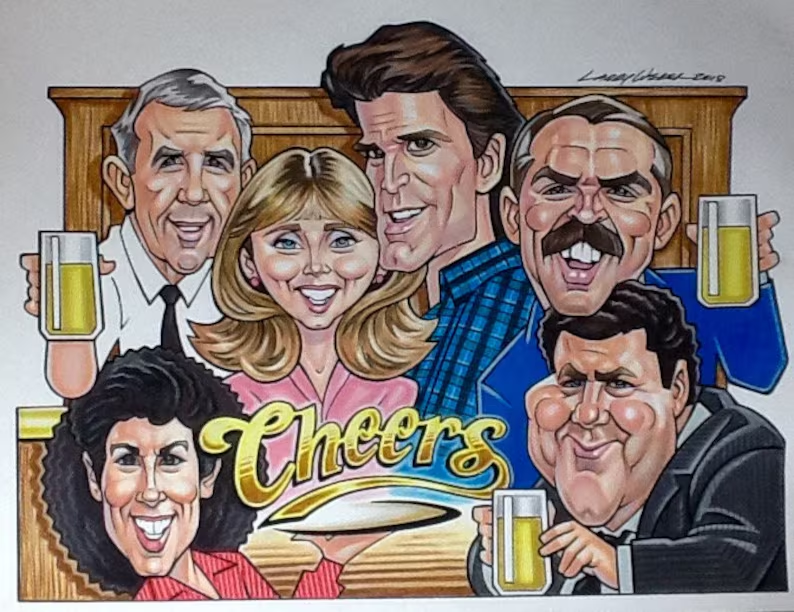
Growing up, I adored Cheers. I watched it with my parents every week. As an adult, I rewatched the series. The characters still hold up. It wasn’t just the main characters – Sam, Diane, Coach, Carla, Woody, and Rebecca – that drew us back every week, but an entire complimentary cast of characters capable of anything – Norm and Cliff, not to mention Frasier and Lillith. The episode in which we met Lillith remains one of the funniest. Throughout the rest of the series, Dr. Lilith Sternin-Crane developed into one of the funniest and quirkiest female characters on TV. She is still one of my favorite TV characters after all these decades.
Who can forget Lilith? Enough said.
Aside from all of the laughs and hijinks throughout the series, the humanity of all of the characters (every last one deeply flawed) shined through. Yet, the last scenes of the final episode hit me right in the gut. It isn’t every day that a TV show can make you deeply and profoundly appreciate what you have.
It starts innocently enough. Norm stays after everyone else heads out after welcoming Sam back to the bar after escaping marriage to Daine yet again. He didn’t want anyone else to hear what he has to say, and he’s up for one last beer, of course. He tells Sam that love is the true meaning of life. He continues to state that people are always faithful to their one true love, that he’d be unable to be unfaithful to her. When Sam asks whom that would be, Norm simply states “Think about it, Sam,” smiles, and leaves, setting up the final shots of Sam in the bar alone.
Alone in his bar, Sam slowly realizes that it is his bar that is the love of his life. He recognizes just how much it, and all those in it, mean to him. He even straightens Coach’s framed portrait of Geronimo before closing up. In a clever twist, the final shot of Sam closing up and heading towards the back entrance of the bar mirrors the opening of the series in which Sam makes his way to the front of the bar as he is opening up for the day.
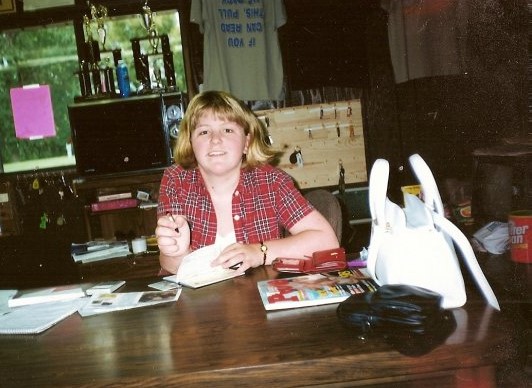
Nearly 30 years ago … Working with Grandma Reid at the canoe livery.
All I can say is this: As someone who has spent her entire life watching her parents and grandparents build a family business – and as someone who will one day fully take over said business with her brother – I get it. Boy, do I ever get it. I can’t imagine my life without the canoe livery. I hope that I never have to do so. It is the people – employees (current and former) and customers – that make the business, along with the river and the land itself. I’m lucky, indeed.
I say it often, but we have the best customers. I estimate that 99% of our customers are great. The remaining 1% make for great stories. We are currently winding down for the year, but when spring comes once again, I will be ready to start it all over again.
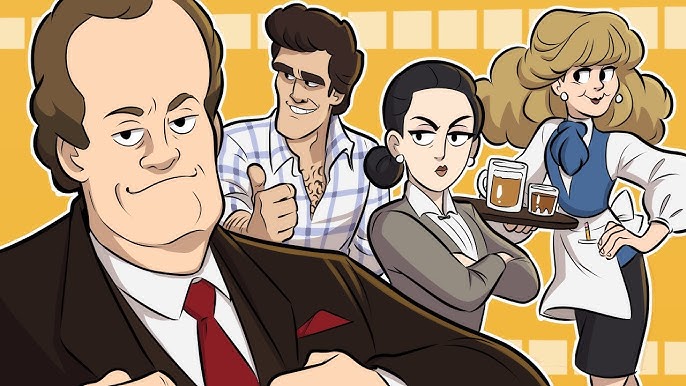
Dr. Fraiser Crane in one of the longest-running TV characters in history. The reboot of Fraiser will soon start its second season.
I’m always conflicted Labor Day Weekend. On one hand, I am happy for summer and the canoe livery to be over for the time being. Fall is my favorite season. I’m eager to get back to the classroom. On the other hand, I love 10 PM sunsets and the very idea of the endless summers of my childhood. I vividly remember my dad taking my sister and me home to put us to bed while it was still light out, begging him to take the backway home (Jose Rd.), Erica and I exhausted from a full day swimming in the river. We lived the river all summer long. At 10, I distinctly remember walking downtown Omer during Suckerfest in early April, fixated on how unfair it was that it would be close to two months before I could swim in the Rifle again.
As of late, I watch and notice how my niece and nephew enjoy being kids growing up at the canoe livery. Each year brings forth more long-forgotten childhood memories. This weekend, my niece and a friend took tubes to the end of the road and floated around the entire campground back to our dock. My friends and I did this countless times at their age. To be 10 again without a care in the world!
Earlier this summer, I overheard kids discussing what I grew up calling “rocky.” It is a simple game. All one needs is two people, a tube, and a body of water. Two kids sit across from one another on the tube and lock legs, bouncing as hard as possible to knock the other kid off into the river. Our river version required a short walk upstream and had a natural time limit. We would walk the short, sandy straightaway upstream leading to the dock, the object being to knock the other person off before we reached the dock. My sister Erica, our cousin Abby, and I spent countless hours playing various versions of this game, leaving the river waterlogged with suits and hair full of sand. I am grateful that, in spite of all that has changed in the last 30 plus years, I still live in a world where children are still allowed carefree summers.
The post was originally published on an earlier version of my blog. I’ve slightly updated and modified the post. Anything in bold I added to the original post. Tigers’ opening day is April 5th at Comerica Park! GO Tigers!
I’ve tried writing this post several times over the last several years. Sometimes there is so much to say, no mere words can do the subject justice. Somewhere along the line, somewhere between childhood and adulthood, I forgot what baseball once meant to me. I also forgot just how intertwined baseball is with some of my favorite childhood memories.
Back in 2012, it all started with me getting the crazy idea that my baseball obsessed ex-boyfriend Brian and I should watch the Ken Burns’ documentary Baseball – all almost 20 hours of it. I checked it out from the library sometime early in September 2012. Brian and I then spent the next couple of weeks watching the entire documentary, including great interviews with Bob Costas, Yogi Berra, and Rachel Robinson, the widow of Jackie Robinson, among others.
For me, the most memorable part of the series had to be the clip of Bob Costas discussing his first experience at Yankee Stadium with his father. As a young child, he was awed by the sheer size of the stadium and the size of the pitching mound. After the game, fans back then could cross the field to a second exit. As Bob Costas and his father crossed the field, he became very upset. He loved baseball so much that somewhere during his childhood, he got the idea that Yankee greats such as Babe Ruth and Lou Gehrig were buried on the field. He didn’t want to disturb what he believed to be their graves. The stories of baseball memories bringing together fathers and sons, as well as fathers and daughters, stayed with me.
Mom, Dad, and I ~ 1983
Dad sporting his lucky #3 hat. Some of my earliest memories are of watching the Detroit Tigers on TV with my dad.
I found myself asking why baseball is so different from football, hockey, or basketball. I’m not sure, but I do know this: there is something about baseball that transcends time. I have memories of watching the Red Wings win the Stanley Cup in 1996 and 1997 with Dad, as well as countless other games, but my most powerful memories all relate to baseball.
Many of my earliest memories of Dad involve baseball. As a very young child, I remember watching the Detroit Tigers with Dad and eating Schwann’s black cherry ice cream. Somehow, Dad ended up attending one of the 1984 World Series games at Tiger Stadium. At that game, he bought a signed baseball that sat on the roll-top desk in his office for years. In fact, it might still be there. I loved that baseball and thought that it was amazing that Dad attended one of the World Series games. I also remember rummaging through the top drawer of Dad’s desk and coming across his father’s Masonic ring. In the eyes of a young girl, the Masonic symbol was a baseball diamond. Above all, there were the games.
My youngest nephew, Owen, sporting lucky #3 and keeping the tradition alive, even if it is his basketball jersey. Dad always seemed to end up as #3.
Throughout my early childhood, Dad, a former high school athlete who played football, basketball, and baseball, played on a men’s softball team. As a preschooler, I loved watching Dad play ball. I liked the entire experience. I was so proud to have Dad out there in his lucky #3 baseball hat with his well-worn glove. I loved watching him bat.
Of course, it wasn’t just about baseball. I also loved playing in the dirt next to the dugout, running around the poker straight pine trees behind the dugout, and playing with the old-fashioned water pump between the dugout and the pines. More than anything, I loved going to the bar with everyone after the games. As Dad and his friends, along with their wives and girlfriends, drank pitchers of beer and talked, I played pinball, foosball, Pac Man, and enjoyed pop and chips. It is no wonder I could relate to adults well as a child. I spent a lot of time around adults and enjoyed every minute of it.
I also loved spending time at my grandparents’ house. A trip to my dad’s parents’ home wouldn’t be complete without spending time with their neighbor’s son, Brian K. We were the same age, and he happened to have something I wanted desperately as a child, a tree house! I vividly remember one afternoon spent playing in his tree house. His dog somehow came off his lead, and I became scared as I really didn’t know his dog. Brian K. told me to hang out in the tree house until he chained up the dog.
That day, his mom invited me to attend one of Brian K.’s Little League game with his family – a big deal in the eyes of a six year-old! I felt honored to be sitting on the sidelines cheering on Brian K. along with his parents. At the time, of course, I wanted to be out there on the field too. While I did play softball for one season at age 11, I am no athlete. Grandpa Reid, who loved to watch me play, insisted he never saw anyone walk more than I did. As I’ve always been exceedingly short, no one ever learned how to pitch to me. Instead, I collected baseball cards.
I’m not exactly sure when and why I started collecting baseball cards, but my favorite will always be the Topps 1987 wood grain cards. They remind me of Grandpa B. My maternal great-grandparents owned a cottage on Sage Lake in northern Michigan. I spent many summer weekends there with my parents, my siblings, my grandparents, and much of my extended family. At the cottage, Grandpa loved to get all of us grandkids, all girls at the time, in his station wagon to take us to the pop shop. He let us pick out whatever we wanted. I picked out baseball cards to add to my collection, mainly ’87 Topps. I still have my baseball card collection and fond memories of Grandpa asking me if I was sure that is what I wanted.
I loved everything about collecting baseball cards: organizing them by team, deciding which packs of cards to purchase, and looking up prices. All fun! It is fitting that I lost interest in collecting cards as I became a teenager. My last full set dates to the strike-shortened 1994 season. Around that time, I lost interest in baseball. Coincidentally, it is also the same year the local IGA, my favorite place to purchase cards, closed.
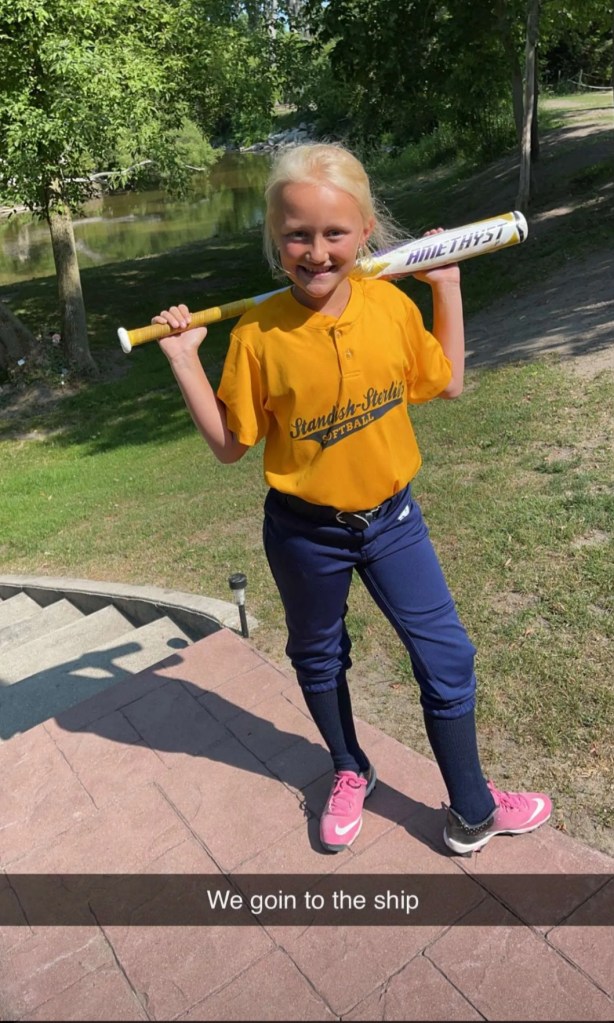
That same year, Dad took Erica, Garrett, and me to a Tigers game at Tiger Stadium on the corner of Michigan and Trumbull. That day happened to be Little League Day. My Dad knew this, so he had my sister wear her softball shirt, my brother his t-ball shirt and hat, and me my old softball shirt. As a result, we had the opportunity to go out onto the field before the game. I’ll never forget looking back at the stands of old Tiger Stadium from the field. I’m grateful to Dad for ensuring his kids had that experience. There is nothing better than going to a baseball game with your dad. Having the opportunity to get out on the field of a historic stadium made it that much better. Somehow I lost interest in the game, but it is still there, was always there, waiting to be rediscovered.
I’m looking forward to cheering on the two below this spring!
Ernie Harwell ~ The voice of Tigers’ Baseball for decades, narrating many summer road trips, especially with Grandma Reid.
Toby Keith – Beer for My Horses (Featuring Willie Nelson) (2003) (Video)(Lyrics)
Written February 10, 2024
Toby Keith. I can’t help but feel that his death is the end of an era. The lyrics to “Beer for My Horses” have been running through my head ever since I learned of his untimely death early Monday morning. Even though I’ve never truly been a full-fledged country music fan, I loved most of his music. What I don’t love, I simply haven’t discovered yet. While my heart will always belong to pop/rock, alternative, classic rock, etc., Toby Keith will always remain one of my favorite country artists. Songs such as “I Love This Bar,” “Courtesy of the Red, White, and Blue,” “Should’ve Been A Cowboy,” “Whiskey Girl,” “American Soldier,” and so, so much more were always a part of the soundtrack to my college years and early 20s. I don’t think it is possible to even discuss popular music in the early 2000s without mentioning Toby Keith in some form, and that isn’t even considering his lasting impact on country music.
So, what is it that made him so popular and memorable? Personally, he always reminded me of the older brothers of classmates. The ones that were either too cool or cautionary tales, depending on your perspective. Those with just a hint enough of danger to make them attractive. He never cared what others thought, and he never shied away from his rural upbringing. In fact, he celebrated it, and we loved him for it. In spite of everything, he remained true to himself and wasn’t afraid to celebrate his love for his country. All of that resonated with me and so many others.
By the way, if you haven’t watched the video to “Beer for My Horses,” check it out. It is even better than I remember.
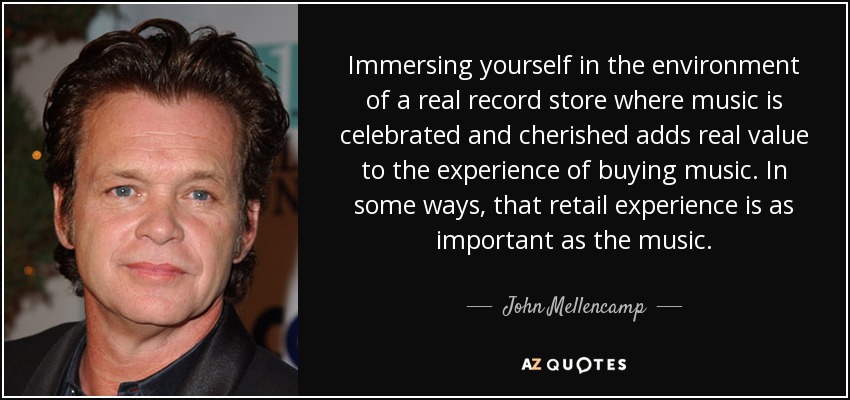
“All Things Must Pass” is a documentary that covers the rise and fall of Tower Records during the second half of the 20th century and the first few years of the 21st. What I love about the documentary is the fact that I experienced a lot of changes that took place in the record industry, particularly in the record stores, during those years. As a businesswoman, I loved the discussion surrounding the birth and death of Tower Records’ business model. At the end of the documentary, I left thinking what a great case study it would make.
I can just imagine the beginnings. Supposedly Tower Records started as Tower Drugs. After World War II, leading into the 1950s, Tower Drugs began carrying 45s in an effort to tempt their teenage customers hanging out at the soda fountain. As the granddaughter and great-granddaughter of entrepreneurs who owned a pharmacy in Marshall, Michigan during this same time period, I can picture it.
In fact, my maternal grandparents met at Peck’s Drugstore in Marshall. My grandfather’s parents were partners in the business, and at the time, before graduating from high school and enlisting in the US Navy during World War II, Grandpa worked there as a soda jerk. Grandma, who attended then nearby Marshall High School, loved their lemon Cokes. I’ve visited Marshall and located the corner where Peck Drugs once stood. Marshall Junior High School, once Marshall High School, is located right across the street. Even though my grandparents were gone by that time, I could easily envision the circumstances under which they met.
This burgeoning teenage culture in the 40s and 50s led to rock and roll and the astronomical growth of the record industry from the 40s through the end of the century. I happen to be just old enough to have witnessed the heights of the 1980s, the changes experienced all throughout the 1990s, and the chaos that followed in the first decade of the 21st century.
I lived it. Madonna and Michael Jackson’s reign as Queen and King of pop were a huge part of my childhood, as were Tina Turner, Whitney Houston, Cyndi Lauper, Wilson Phillips, Paula Abdoul, and so many others. As grunge exploded in the 1990s, the music industry fractured in the wake of Kurt Cobain’s death and the advent of the internet. The music industry wasn’t nearly as tightly controlled as it once was and formats were changing yet again.
As a teenager, I understood the frustration. During the early part of my childhood, vinyl and cassette tapes dominated. Before long, CDs took over. WIth each new format, some felt the need to repurchase their music collection yet again. However, by the late 90s, people had had enough. During that time, I remember the anger that the equivalent of the 45 didn’t really exist in the CD format. You might be able to purchase singles, but they were never the hit songs. In essence, the record industry reached a point where they were pricing teenagers out of the market. Full CD albums during that time period usually ranged from $15-$20, depending on the artist and popularity. Today, I spend $8.99 a month for Amazon Music, which includes electronic access to whatever is available via Amazon Music – i.e. pretty much anything and everything.
The sad thing is that rural teenagers in the 90s, like me, mostly had access to the big box music retailers of the time, such as the behemoth Tower Records – or the CD clubs of the era, Columbia House and BMG Music. Oh, how I wished there were used record stores near me! When I arrived on campus at Michigan State in 1999, my friends and I made regular visits to The Wazoo, a mom and pop used record/CD store run by an old hippie who truly loved music, or WhereHouse Records, another great used music store. We could get an entire pile of albums for the price of one new release.
This atmosphere and the business model became a recipe for disaster. Enter the file sharing frenzy that took place in the early aughts. Napster and Limewire were king at this time. Why purchase music at all when you could download your favorite songs for free from a friend of a friend of a friend? While it wasn’t that simple – mislabeling ran rampant and download times could be excessive – it worked well enough. If anyone had actually been prosecuted for downloading music illegally, our judicial justice system would have quickly collapsed. Colleges, universities, and even many high schools would have been empty with students rotting in jail instead of receiving an education. That may be hyperbole, but not by much.
In the end, it could not last. Businesses such as Tower Records, so heavily dependent upon real estate and inventory, could not survive once people refused to repurchase their music collection yet again, pay full price for CD albums with only a handful of well-known songs (if lucky), downloaded whatever pirated music they wished via Napster and LimeWire. The electronic music market, now dominated by Amazon and Spotify, had not yet come into its own. Today, Tower Records lives on in Japan, a testament to its homegrown slogan – “No Music. No Life.”
“All Things Must Pass” is entertaining if you are interested in music and the history of the music business at all. It brought back a lot of memories for me, and frankly, I feel for teens today who do not have the experience of spending time in stores dedicated solely to music. Creating a Spotify or Amazon Music playlist just isn’t the same. The title “All Things Must Pass” comes from the sign a former Tower Records employee put on their sign as their original store was closing. “All Things Must Pass … Thanks Sacramento.” It is, of course, also the name of George Harrison’s triple solo album and hit, “All Things Must Pass.”
Gordon Lightfoot – The Wreck of the Edmund Fitzgerald (1976) (Video)(Lyrics)
(Written May 7, 2023)
“The legend lives on from the Chippewa on down
Of the big lake they called ‘Gitche Gumee’ …” (Gordon Lightfoot 1976)
There is probably no more iconic opening lyric in modern music history. Sadly, Gordon Lightfoot died on May 1st, 2023 at age 84. In capturing the story of the tragedy of the Edmund Fitzgerald in song, he immortalized the iron ore carrier, its crew, and its disputed demise for generations to come. In a sense, it has become an elegy for all those lost on the Great Lakes over the centuries.
Growing up in Michigan throughout the 1980s and 1990s, we learned about the wreck of the Edmund Fitzgerald through Lightfoot’s lyrics. Personally, I’ve been fascinated ever since. It is easy to see why so many are still drawn to the story. First, it is a fairly “modern” shipwreck. The Fitzgerald sank on Lake Superior on November 10, 1975. They had enough lifeboats, modern radar, and radio communication. In fact, Captain McSorley’s last radio communication with a nearby ship, the Arthur M. Anderson, was “we are holding our own.” That chilling fact alone sends my imagination reeling.
Next, there are lingering questions as to exactly how the Edmund Fitzgerald sank. Some say that she ran aground on Six Fathoms Shoal, while others believe that the hatchways were not properly secured. Then, there are those who believe one of the Three SIsters – a reference to gigantic waves developing on Lake Superior in the wake of incredible fall storms – doomed the ship.
In fact, the subject of the Edmund Fitzgerald still garners a lot of local interest in Michigan. In September 2022, former reporter and Edmund Fitzgerald researcher Ric Mixter presented information on the wreck at the old court house in Omer. I happened to attend his presentation, and for such a small community, there was standing room only. Ric Mixter, a former reporter for local WNEM TV5, went on to present in Bay City and other nearby communities as well. What’s great about his presentation is the depth of his research, his respect for those who died in the tragedy, and his obvious love for the subject matter. He lets his audience decide for themselves the ultimate cause of the wreck. After I attended Ric Mixter’s presentation, I compiled some of his resources in the post All Things Michigan.
Finally, Gordon Lightfoot’s master songwriting draws one into the tragedy. WIth lyrics like “ice water mansion” and “Does anyone know where the love of God goes,When the waves turn the minutes to hours?,” it becomes a timeless folk song dedicated to the power of the Great Lakes. By telling the story in a basic timeline format, he immortalizes the old cook and Captain McSorley, along with the rest of the crew, for all time. I can’t think of a better tribute to the 29 men that lost their lives that fateful November day. It is one of the most haunting songs I’ve ever heard and fully deserves its rightful place in the history of timeless American folk songs.











 Ramblings of a Misguided Blonde