Tag Archives: pandemic

Faster. Better. Cheaper.

Little known fact: The US military is the largest supply chain in the world.

My supply chain management education will always color the way I view things.  At times, I wish it didn’t.  In education, I like to believe that most students will find their way, eventually.  Most will find their purpose.  I feel for those who don’t, but it is a reality of life.  There are always those who remain lost, and sadly, I’ve known a few.  I can help, but I can’t be everything to everyone.

With supply chain issues, there is a solution.  There is always a solution.  We just need the resolve to follow through and make necessary changes.  We learned so many supply chain and economic lessons from the Greatest Generation and World War II, but as that generation passed away, I fear that we have lost those lessons or even ignored them completely.

Let me start at the beginning.  I am deeply proud to come from a long line of entrepreneurs.  I long idolized my dad and Grandpa Buttrick.  Both owned and ran their own companies and were self-employed, as different as their companies were and still are.  My dad developed Russell Canoe Livery around our family and our lifestyle.  He had no desire to build it beyond what it is now, even if we had the opportunity.  

Grandpa, on the other hand, loved to build.  He expanded his convenience store business into screen printing, Subway franchises, propane, hotels, and more.  He even loved to compete against himself from time to time.  As a child who loved to build, I took notice.  In having the opportunity to manage one of his convenience stores for a few years, I am grateful to have learned just why Grandpa loved the c-store business so much.  Ultimately, it helped me become a better manager at the canoe livery and a more empathetic boss.
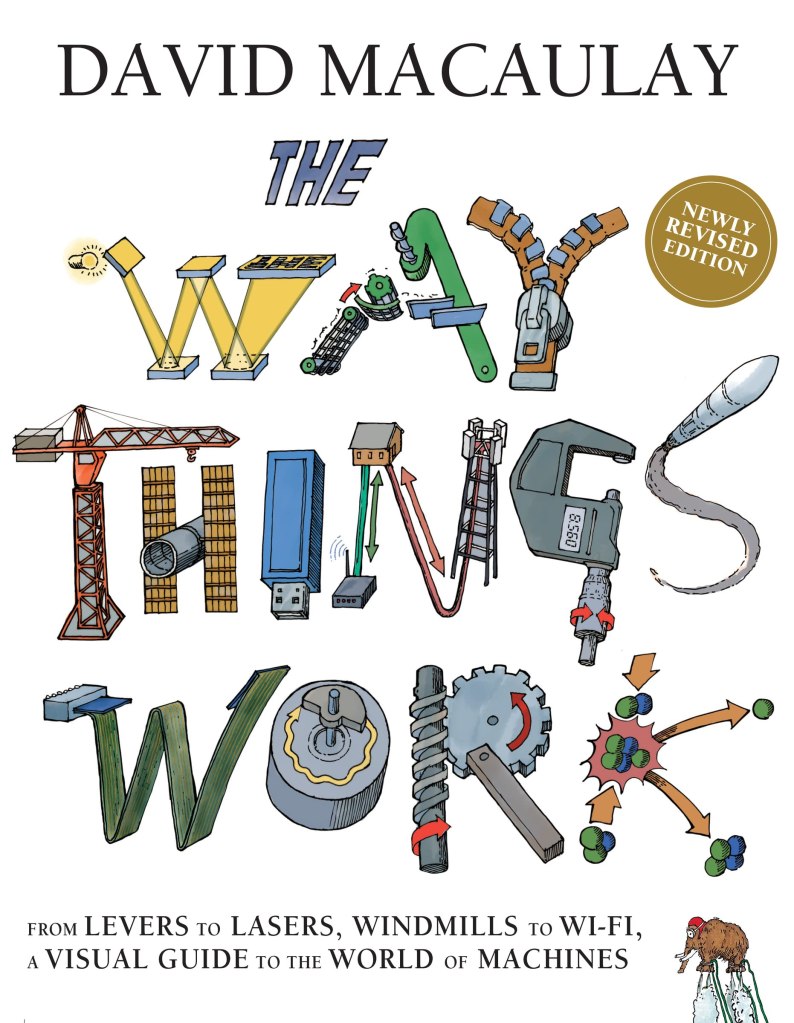
While this cover is exactly how I remember it, it must be an updated version!
No WI-Fi in the 80s and 90s!

As a child, one of the most fascinating books I owned was The Way Things Work by David Macaulay.  I wanted to know how and why things worked.  Looking back, this helps explain why I chose supply chain.  It fit the bill.  I knew I didn’t want to study management.  I wanted to know exactly how value was added, and not just become increasingly removed from day-to-day operations that actually pay the bills.  Accounting and finance never even entered the picture.  In fact, my mom and I joke that we would starve if we had to try and make a living as accountants.  I am decent at math, but I make errors far too often, and it is not my thing.

I do have two older cousins who earned supply chain degrees from Michigan State and blazed the trail, but as my older cousin Emily tried to sell me on supply chain, it made me look at the program more critically.  Instead, my experiences at the Broad Business Student Camp (BBSC) after my junior year of high school sold me on Michigan State and supply chain management.  During that week attending BBSC, I had the opportunity to explore State’s incomparable campus, everything the Eli Broad College of Business had to offer, as well as all things supply chain.  In short, I had the opportunity to preview what my life would be like as a Michigan State business student with one of my best friends.  What was not to like?  By the time my parents dropped me off at MSU in August of 1999, I had to kick them out of my dorm room as I had already connected with student groups in the business school, and I was not going to be late for the first meeting.

Now you know why I never wavered in my pursuit of my supply chain degree, in spite of the fact that, deep down, I knew that I wanted to be a teacher as well.  As for the deeper lessons that stayed with me and kept me up at night, it all started with a business history class I took during the winter of 2000, the very heights of the dot.com bubble.  In fact, the bubble burst that consumed that spring forced me to pay attention.  My history professor, in fact, predicted the fall of the stock market (the dot.com bubble) publicly almost as soon as classes started in January.  When it finally happened in March, as a 19 year old, it left a deep impression.  However, as memorable as that experience was, this is not primarily why I remember this class 25 years later.

Instead, my professor’s description and explanation of how Detroit became the “arsenal of democracy” still sends shivers down my spine.  He made the case that the United States and the Allies would not have won World War II without Detroit.  While I knew Detroit played an important part in the war, I didn’t realize just how important.  Supposedly, when Hitler received intelligence of manufacturing totals coming out of Detroit, he didn’t believe it.  Those who had gained manufacturing experience in cities like Detroit, especially Detroit, would turn their focus to the war effort.

When you think of the manufacturing capability we had during that time, the early 20th century, it makes sense. We were able to help supply Great Britain long before we officially entered the war after Pearl Harbor.  Thanks to FDR, we switched from manufacturing consumer goods to munitions.  We went from cars and refrigerators to tanks and aircraft.  This is the question that keeps me up at night:  Would we be able to do so again if faced with such a crisis?  I don’t know.

Actually, I doubt it, as the way things are now.  Born at the end of 1980, I’ve watched my entire life as Michigan lived up to its “rust belt” image.  Most of the business professionals I graduated with in 2004, me included, had to relocate to states such as Texas and California to find jobs.  When my parents graduated from college in the late 70s, there were still good manufacturing jobs to be had right out of high school, although that would soon come to an end.  I grew up hearing of plant closures, manufacturing outsourcing, and general loss of manufacturing capability in the United States.  It is all I knew. By the time I sought to start my career, little remained.  Instead, less secure positions with multinationals outsourcing much of their labor to places like China, Mexico, and India took their place, particularly in the shadow of the first dot.com bust.

By the time I interned with IBM out in Rochester, Minnesota during the summer of 2001, not only did they not have enough for their interns to do, their full-time, permanent employees didn’t either.  Instead, they were focusing on their garage bands and updating their resumes.  In 2003, as part of a tour of a GM factory in Mexico near the border, I vividly remember seeing rows upon rows upon rows of brand new Pontiac Azteks and Buick Rendezvous awaiting shipment as our chartered bus slowly approached the plant.  Looking back, it foreshadowed Pontiacs epic downfall several years later. Tragically, Pontiac would never recover from the monstrosity that was the Pontiac Aztek.

My last semester at Michigan State in 2004 brought the Eli Broad College of Business’s first Chinese Supply Chain Symposium.  Of course, it focused on all of the wonderful benefits of outsourcing manufacturing to China.  I left wondering if I was the only one asking just how long before we were outsourcing our own jobs?  Where and when would it end?  Was I the only one seeing the connection between outsourcing and both unemployment and underemployment in the United States?

Even Russell Canoe Livery has a supply chain,
one with its own set of challenges and setbacks.

I will leave you with this summary.  We desperately need to bring manufacturing back to this country.  If you think the supply chain interruptions during the COVID 19 pandemic were bad (and I followed them closely), what would happen in the case of an even worse global crisis?  Good manufacturing jobs helped finance the growth of the middle class throughout most of the 20th century, particularly after World War II.  Why can’t we get back there?  We’ve learned so much during that time, and we have the workforce, if given a chance.  I hope I live to see it.  By the way, this doesn’t mean becoming isolationist.  It is simply expanding beyond the pharmaceutical, technology, and service industries.  Supporting local farms wouldn’t hurt either!  Cheap is good, but it is not always best in the long-run.  We’ve remained far too short-sighted and complacent for far too long.
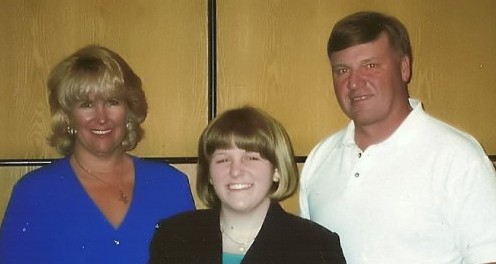
Mom, Dad, and I – Spring 2001
Tower Guard Induction – Beaumont Tower, Michigan State University
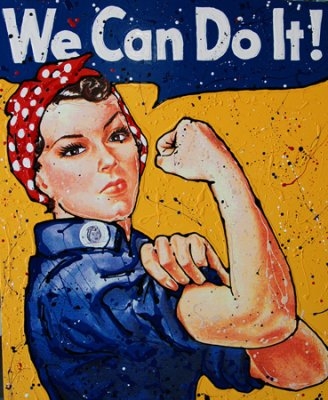
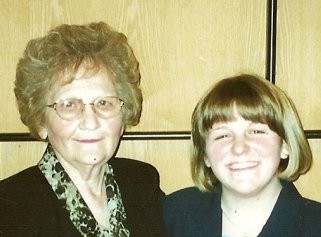
In honor of Grandma Reid, who worked as a riveter in both Hamtramck, MI and Fort Worth, TX during the World War II era, all before the age of 20.

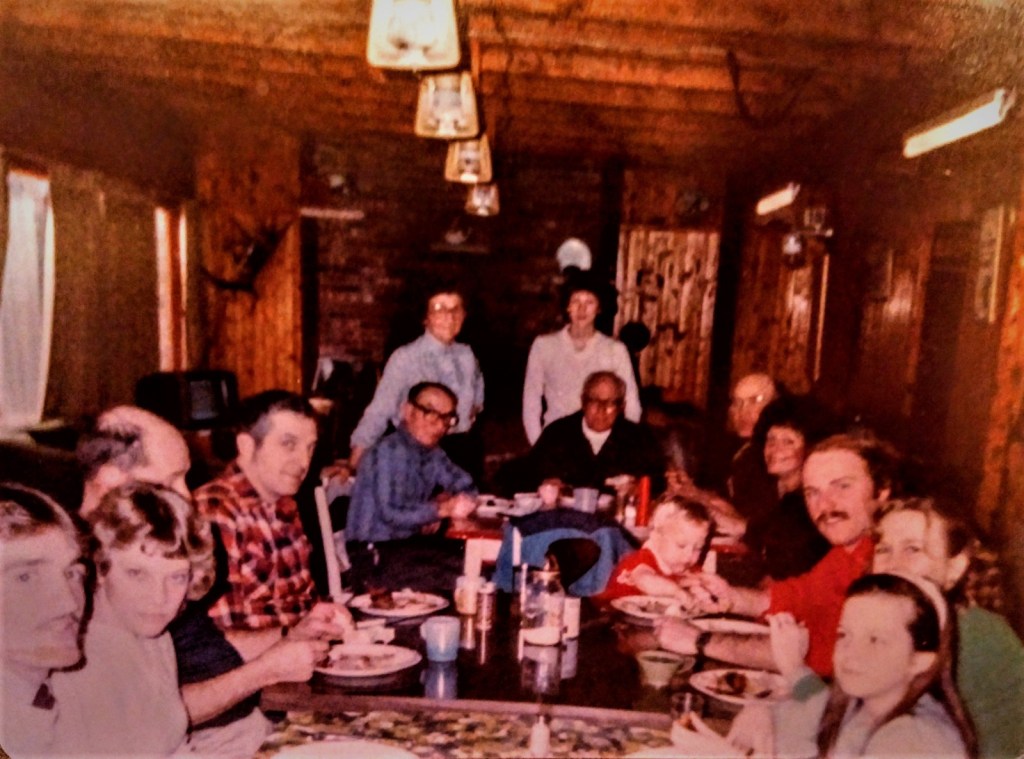
Deer Camp

Written during the pandemic as an example for a poetry project I assigned my middle school students. They needed to take a line from a favorite song and then use that line to begin a poem.

There are places I remember
Places that hold memories long forgotten
Long shadows, witnesses to the past
Smells that immediately transport me back

Back to a simpler time when we could gather freely
Children could be kids
Adults accepted responsibility
A time when freedom reigned and the republic lived

A black and white portrait here,
Kerosene lanterns afixed to the wall
Polished glass overlooking the cedar swamp
The coziness of a Franklin stove

My sister and I, in curls, smocked dressed, and bows
Polished patent leather shoes and all smiles
Helping mom and grandma prepare Thanksgiving
Waiting for hunters to return and string a buck up on the pole

Living as pioneers until nightfall, the generator roaring to life
The bustle and business of extended family
Cards, laughter, and love
Cousins, forts, and leaves

Memories long buried, decades past
Rising each fall with the smoke from burning leaves

John Burke

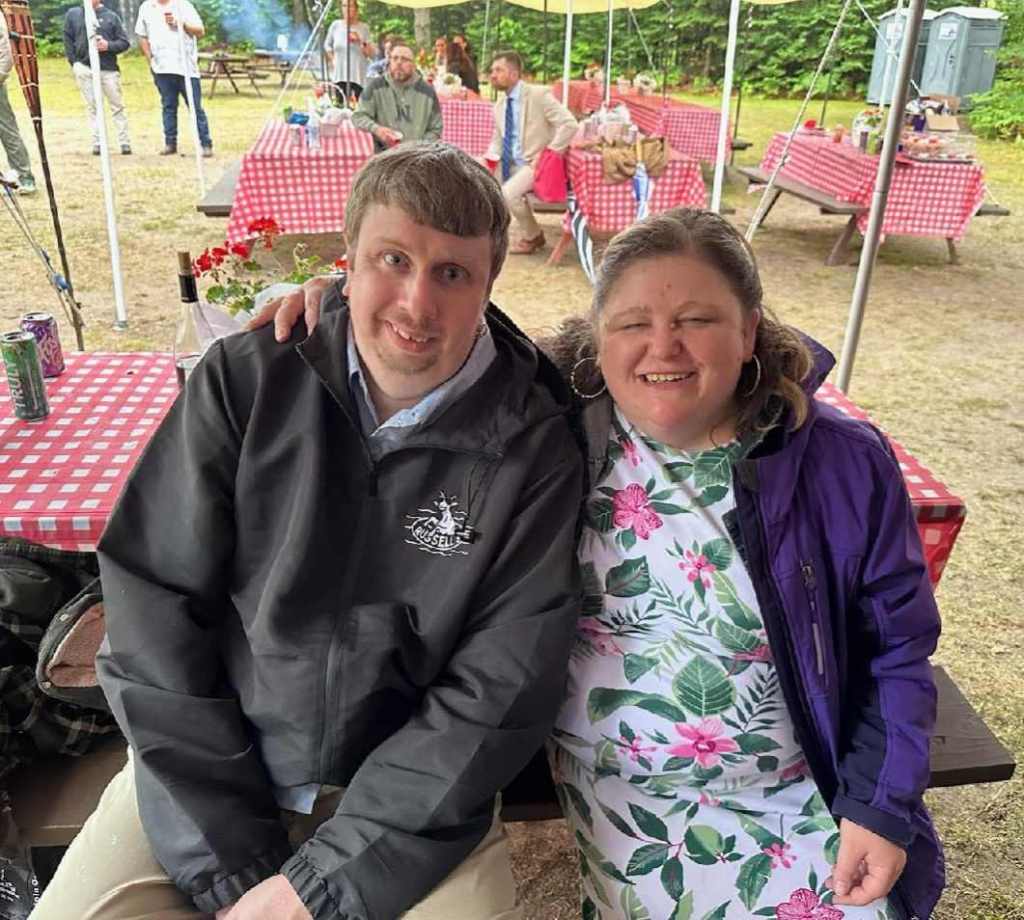
John and I at my sister Erica’s wedding to Fred @ Crystal Creek Campground – June 8th, 2024

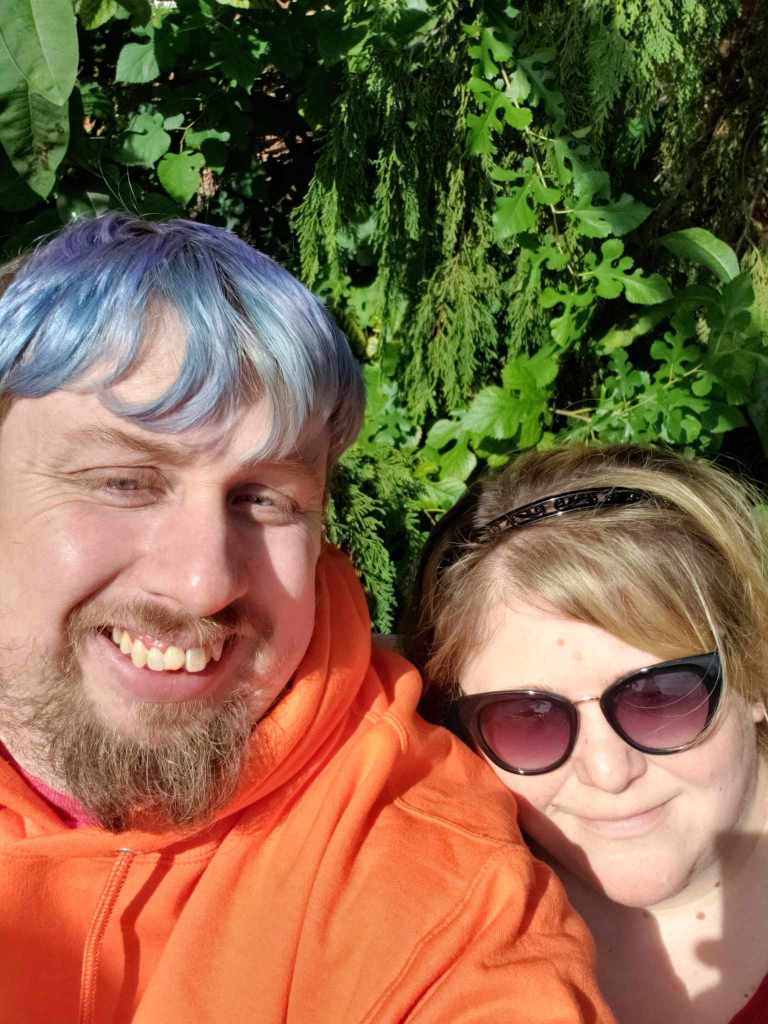
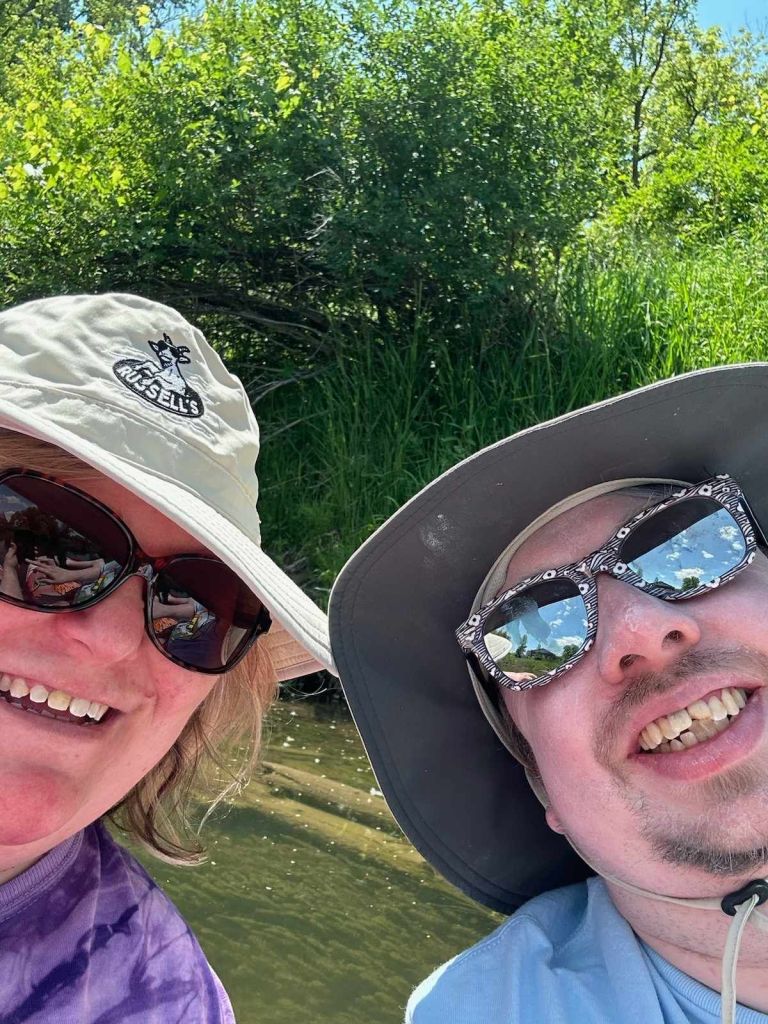
I don’t often get too personal here, unless it involves the past, so here it goes.  I’ve been dating John Burke for nearly four years now.  We’ve had so many wonderful times together so far, and I just want him to publicly know how much he means to me!  Here’s to many more years of concerts and other plans!

Love you,

Lindsey

PS – Who knew that online dating during a worldwide pandemic over 40 could work?

Not The End, The Beginning – Part 2

Not The End, The Beginning – Part 1

When I went back to school in January 2014, just over 10 years ago, I admit, the idea of being an older student intimidated me, especially online courses.  When I graduated from Michigan State University (MSU) in 2004, online courses were not nearly as developed as they are now.  Due to a combination of landing a full-time position in Houston, Texas within a week of graduation, moving across the country, my stubbornness, and adjusting to working in corporate America full-time, my first experience with online classes did not go well.  That early negative experience stayed with me.  Fortunately, I adapted.
During the academic year, I planned to attend class and work on coursework two to three days a week while substitute teaching as much as possible.  To add insult to injury, I didn’t just take classes at Saginaw Valley State University (SVSU).  No, I decided to enroll at Delta College too.

There were two reasons why I enrolled at Delta.  First, realistically, I could save money when compared to SVSU.  Second, I decided to complete a writing certificate while working towards my teaching certificate.  In the end, I had a wonderful experience at Delta College.  My history and writing classes, all taken at Delta, are among my most treasured.

My decision to complete the general writing program at Delta College stemmed from my involvement with Mid-Michigan Writers.  I attended their Gateway to Writing workshop in the fall of 2013.  That day, I happened to hear a group of Jeff Vande Zande’s students talking about how much they enjoyed his class and the wonderful writing program at Delta.  Vande Zande, who happened to be the keynote speaker that day, taught a screenwriting class at the time.  A few years later, his screenwriting class changed the way I look at movies forever.

At SVSU, I had to decide which secondary endorsements I planned to pursue.  In addition to Spanish, I had to choose between social studies and English.  Social studies won.  In 2019, I started a new position as a middle school teacher at St. Michael School and began taking classes to earn my English endorsement.  As with so many things in my life, I didn’t want to have to decide between two great options, so I didn’t.  I did both.  In spite of a pandemic, scheduling conflicts, and other considerations, I finally completed my English endorsement in May 2023.

In the end, I resigned my position in order to finally complete my English endorsement.  As incredible as it seems, SVSU, even in the aftermath of a global pandemic, offered no online or evening options for the two classes I still needed.  It wasn’t the only reason I left St. Mike’s, but I knew if I didn’t, I’d never be able to finish.  It ended up being for the best.

Sadly, that summer, approximately a month after I resigned, the assistant principal at St. Mike’s – and so, so much more – passed away.  It is safe to say that my life would be very different without Norma Vallad.  I certainly would not have landed at St. Mike’s without her involvement.  So much of our school culture revolved around her down to every last detail.  I still can’t imagine St. Mike’s without her.  Fortunately, I didn’t have to face that prospect in the fall.

By the time I finished my English endorsement last May, I felt such a deep sense of closure.  After all these years, no more educational pursuits to chase – unless, of course, someone would like to pay for a masters degree or PhD.  As far as I am concerned, I have nothing left to prove.

Teaching left me conflicted.  On one hand, I had come way too far to give up on teaching.  Yet, my first full year of teaching coincided with the Covid 19 pandemic.  I saw first hand how the pandemic affected teachers, students, parents, administrators, and everyone else.  The apathy I saw and experienced still haunts me.  As I reconsidered my role and future in education, little did I know that the best was yet to come.

Stay tuned for Part 3 …

Living History

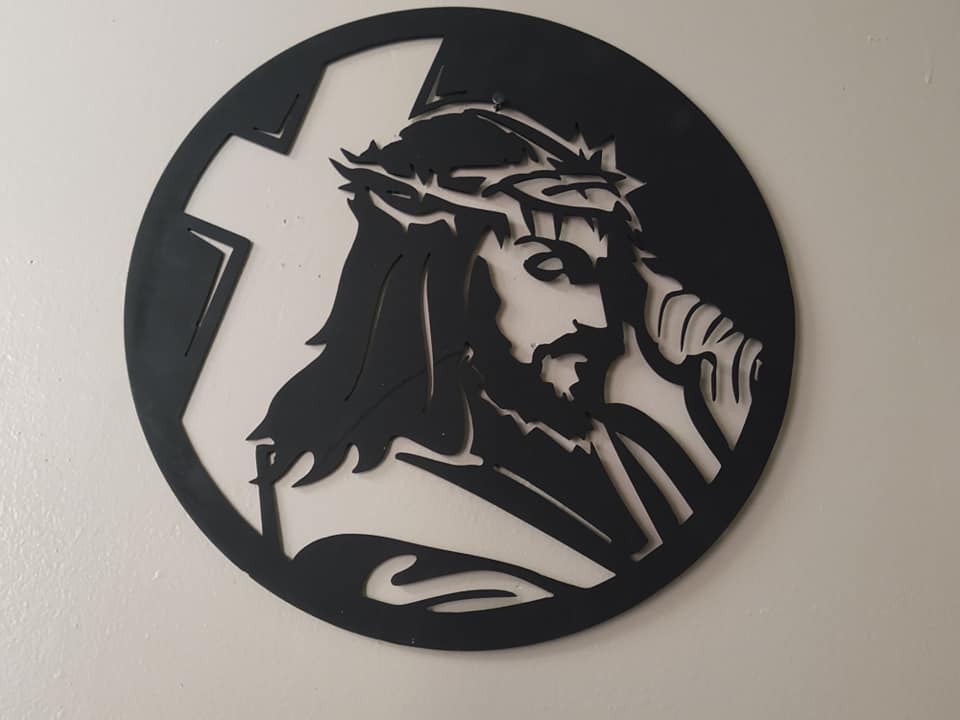
In March 2020, during Lent, this piece of art featured prominently outside my classroom door.
When we left school that fate Friday, March 13th, no one realized that we wouldn’t see each other in person for months.

A Journal of a Plague Year

Growing up, I always wanted to live through a historic event.  Unfortunately, little did I know what life had in store for me.  Now in my early 40s, I am amazed when I stop to think about what historic events I have lived through already – and how different the world is from when I grew up.  I vividly remember the Cold War; the fall of the Berlin Wall; both the first and second Gulf Wars; September 11th, 2001; the War in Afghanistan; and of course, the COVID 19 pandemic.

A year after September 11th, 2001, that somber anniversary inspired me to write about my experiences on that fateful day.  That entire morning is etched in my memory.  At the time, I had just started my semester studying abroad in Quito, Ecuador a couple of weeks before.  I was still learning my routine and adjusting to my new host family.  September 11th colored that entire experience as there was no way it could not.  While I didn’t write much for the 9/11 digital archive, what I did write sets the scene and provides a glimpse into what US exchange students were dealing with all over the world.  My full story can be found at The September 11 Digital Archive, story6757.xml.

This past spring, a conversation with a fellow writer made me realize that I could do the same with my experiences throughout the pandemic.  I found a place to archive all of my writing relating to the pandemic, past and future – A Journal of a Plague Year.  I may include some videos I have from that time frame as well.  It may become a cool little side project.  I’m definitely looking forward to it.  Maybe I’ll be able to finally put all that the pandemic disturbed and disrupted behind me.

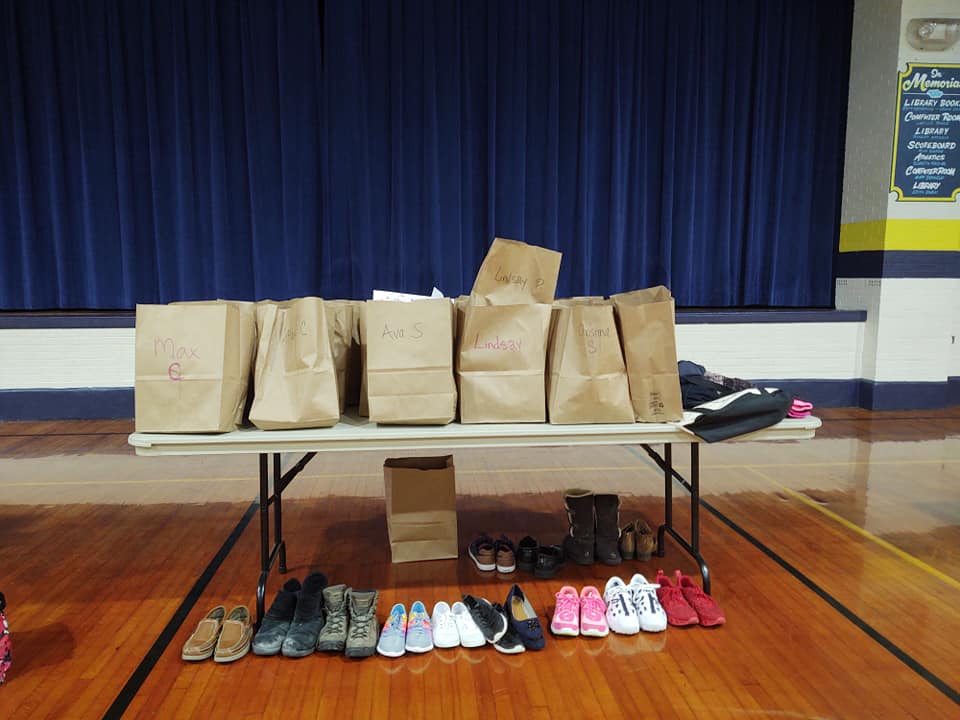
There are SO many things that stand out.  That first awful week of the shutdown during which I had to go to school, alone, and pack up all of my 6th graders belongings (pictured below).  The conversation that I had with Norma and Ashley as school dismissed that awful Friday, March 13th of Lent, not realizing that we would not see each other in person for months, will always be remembered.

In the weeks following our last in-person day of school (March 13th, 2020), as a teacher, I had to pack up my students belongings and prepare them for pickup by parents. Each teacher had an assigned time to be in the building. Doing so in the middle of the stay at home order, not knowing when I would see students, teachers, and staff again, was nothing less than surreal.

That weekend, my mom had had several old high school friends over for a get-together.  The venue changed from a friend’s house to my mom’s in order to limit contact with her friend’s disabled and susceptible son.  All so very strange and new.  Keep in mind that this is just before the stay at home order was issued for Michigan. 

After I learned that we would not be going back to school the following Monday, I just packed clothes and headed to my parents’ house.  I didn’t know what else to do.  I would stay there with them well into May/June.  What I remember most is that I happened to catch some of my mom’s friends, some of my favorite people, before they left.  It would be the last time I would see them for several months.

I could easily keep going.  The spring of 2020 also represented the end of my first full year of teaching, my first 6th grade class.  Definitely not the way I wanted to start off my teaching career.  Personally, I believe the education system is still reeling from the shutdown.  Students and teachers are still trying to pick up the pieces.

This is just a glimpse of what I plan to share and document.  I hope that I inspire others to do the same.

Faith Over Fear

Below are my thoughts after one year teaching through the pandemic.  As a writing exercise, we were asked as teachers what we had learned through the experience.  In my opinion, two years later, it sill holds up and summarizes nicely how I felt and continue to feel.  Originally published on the Saginaw Bay Writing Project (SBWP) website, you can find a link to the original piece below.  I’ve only corrected minor errors here.

Our Teachers Write – SBWP

What did I learn about myself as a teacher over the past year?  First, I clearly understood just how fragile our everyday lives are – students, teachers, and administrators alike.  Most people seem to have underestimated the power of their daily routine, their “normal.”  I certainly did.  Second, I learned just how much I continue to not know.  I am still learning how to teach effectively online.  Finally, I learned how to focus on what truly matters.

As 2019-2020 was my first full-year teaching, I continue to feel robbed.  Plans for March is Reading Month, field trips, and so much more – all gone.  Memories with my first 6th grade class never made.  The little things still haunt me.  I am a big believer in class read-alouds, and when we shut down for the school year in March 2020, I was in the middle of the first Percy Jackson book:  Percy Jackson and the Olympians: The Lightning Thief by Rick Riordan.  My 6th graders adored the book, and I still regret the fact that I was unable to finish the book with them in-person – or continue the series.

If I still feel this way a year later, I can only imagine how my middle school students felt and continue to feel.  There appears to be little to no concern regarding the impact prolonged shutdowns can have on emotional, social, and academic well-being.  It just doesn’t seem to matter to anyone.  Somewhere along the way, we  lost our humanity.  We, educators and students alike, are not alright.

As we entered the Lenten season this year, memories of last year came flooding back.  On Friday, March 13th, 2020, as I participated in the Stations of the Cross with my students, we learned that we would not be coming back to school.  Little did we know that we would not finish the year.  The uncertainty, the miscommunication, and the worry will always stay with me.  At the time, no one had any answers, only an endless list of questions.

During the lockdown, I worried about every single one of my students.  Would they fall behind?  How would they survive without seeing friends on a daily basis – or ever?  I also learned what I didn’t know.  No one taught me how to teach online.  Yet, that is exactly what I did. I was not prepared last spring.  When my class was quarantined this fall, I was still not fully prepared.  Only now, in a virtual week built in after spring break, am I now beginning to feel as though I can somehow teach online.  It took over a year.

I can’t imagine trying to navigate it all without faith.  When I talk about faith, yes, I am referencing a higher power, but I am also referring to a general faith that everything will work out in the end.  No matter where we are today as educators and students, there is hope for tomorrow.  All hope is not lost.  We can and should do better.  We will.  If given the choice between faith and fear, I choose faith.