Gordon Lightfoot – The Wreck of the Edmund Fitzgerald (1976) (Video)(Lyrics)
(Written May 7, 2023)
“The legend lives on from the Chippewa on down
Of the big lake they called ‘Gitche Gumee’ …” (Gordon Lightfoot 1976)
There is probably no more iconic opening lyric in modern music history. Sadly, Gordon Lightfoot died on May 1st, 2023 at age 84. In capturing the story of the tragedy of the Edmund Fitzgerald in song, he immortalized the iron ore carrier, its crew, and its disputed demise for generations to come. In a sense, it has become an elegy for all those lost on the Great Lakes over the centuries.
Growing up in Michigan throughout the 1980s and 1990s, we learned about the wreck of the Edmund Fitzgerald through Lightfoot’s lyrics. Personally, I’ve been fascinated ever since. It is easy to see why so many are still drawn to the story. First, it is a fairly “modern” shipwreck. The Fitzgerald sank on Lake Superior on November 10, 1975. They had enough lifeboats, modern radar, and radio communication. In fact, Captain McSorley’s last radio communication with a nearby ship, the Arthur M. Anderson, was “we are holding our own.” That chilling fact alone sends my imagination reeling.
Next, there are lingering questions as to exactly how the Edmund Fitzgerald sank. Some say that she ran aground on Six Fathoms Shoal, while others believe that the hatchways were not properly secured. Then, there are those who believe one of the Three SIsters – a reference to gigantic waves developing on Lake Superior in the wake of incredible fall storms – doomed the ship.
In fact, the subject of the Edmund Fitzgerald still garners a lot of local interest in Michigan. In September 2022, former reporter and Edmund Fitzgerald researcher Ric Mixter presented information on the wreck at the old court house in Omer. I happened to attend his presentation, and for such a small community, there was standing room only. Ric Mixter, a former reporter for local WNEM TV5, went on to present in Bay City and other nearby communities as well. What’s great about his presentation is the depth of his research, his respect for those who died in the tragedy, and his obvious love for the subject matter. He lets his audience decide for themselves the ultimate cause of the wreck. After I attended Ric Mixter’s presentation, I compiled some of his resources in the post All Things Michigan.
Finally, Gordon Lightfoot’s master songwriting draws one into the tragedy. WIth lyrics like “ice water mansion” and “Does anyone know where the love of God goes,When the waves turn the minutes to hours?,” it becomes a timeless folk song dedicated to the power of the Great Lakes. By telling the story in a basic timeline format, he immortalizes the old cook and Captain McSorley, along with the rest of the crew, for all time. I can’t think of a better tribute to the 29 men that lost their lives that fateful November day. It is one of the most haunting songs I’ve ever heard and fully deserves its rightful place in the history of timeless American folk songs.
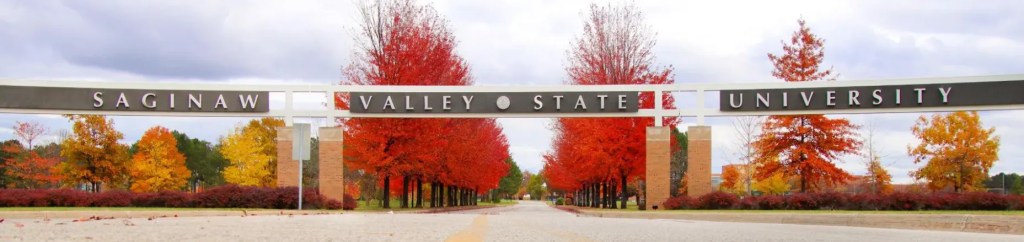
Well, how can I fully explain last week? Last Thursday, I took my last final exam ever – unless, of course, someone wants to pay for a graduate degree program or PhD. Frankly, it is amazing. I attended Michigan State from 1999-2004 – and then Delta College and Saginaw Valley State University to obtain my teaching certificate (2014-2016). When I started my teaching career, I almost immediately decided that I wanted to add an English endorsement to my social studies and Spanish secondary endorsements. Back to school I went from 2019, class by class and in the middle of a pandemic, until last week. I am done. Now that my grade is finalized, I will finally be able to add the English endorsement (secondary) to my teaching certificate. In fact, I already applied to have it added.
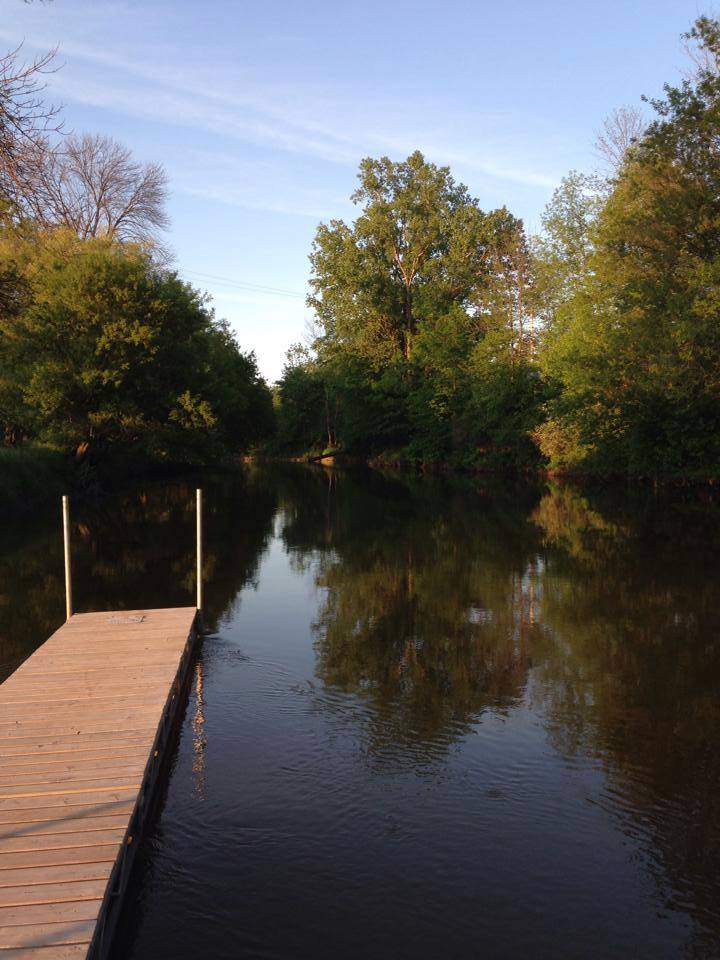
So, what’s next? Well, after this summer, I am not entirely sure. We will see where things take me come fall. I have several ideas. For now, I am in the midst of getting the canoe livery ready for the summer. Starting May 15th, I will be working there full-time once again. I’ve actually been taking reservations at home all winter. People are eager to get out on the river! As I say so many times, we have the best customers. I love thinking about how many memories have been made at our campgrounds and on the RIfle River over the decades.
RIght now, I couldn’t be in a better place. I wrapped up so many loose ends over the last academic year and did exactly what I set out to do. I have so many great options in front of me. I finally feel ready to move on. Stay tuned!
WordPress, which I love, has a new feature that provides a writing prompt each day. One that caught my attention was “what makes someone unique?” The idea of individuality – ie uniqueness – gets right at the heart of what it means to be human. Sadly, there are times when our individuality sets us apart from the rest of society due to no fault of our own.
When do we learn in elementary school that the “other” is not OK? I’d love to think that things have changed since I was bullied in early elementary school due to my appearance, mostly height and weight, but I’m not that naive. I’ve watched in recent years as various school districts have tried to address the root of bullying with varying degrees of success. Unfortunately, it all starts at home. Children need to learn from a young age that we are all different. We all have different talents and ambitions, as well as strengths and weaknesses. All of us – all eight billion people on Earth – face challenges at different stages in life.
There are certain things that a person may experience in life that no one will fully understand unless they have been through it – or something similar. For example, unless you have lost a parent or a child, it is impossible to truly understand that level of grief. It is similar when dealing with infertility. Unless you are affected, it is impossible to imagine the depth to which it alters one’s life.
Aside from all that sets us apart from one another, including our challenges, there are interests. My interests are vastly different from that of my siblings or parents. I’m used to it, and over the years, I’ve developed those interests through various opportunities and friendships, both in real life and online.
If I had one wish for students today, it would be for them to have all the resources necessary to first find their interests and then have the ability and support to pursue them further. How many people have stopped doing something they enjoy simply because someone discouraged them, saying they had no talent? I see and hear about it all of the time. It saddens and sickens me. We should be encouraging healthy interests, as well as providing students outlets to develop them. For example, a student who enjoys art should be encouraged to pursue that interest as much as possible, even if there is no interest in making art a career.It comes down to expectations. At times, we focus so much on making ends meet that we need to make a life. We need to teach students that there is so much more to life than material things. It is more than OK to be yourself. You need to be your authentic self.
Below are my thoughts after one year teaching through the pandemic. As a writing exercise, we were asked as teachers what we had learned through the experience. In my opinion, two years later, it sill holds up and summarizes nicely how I felt and continue to feel. Originally published on the Saginaw Bay Writing Project (SBWP) website, you can find a link to the original piece below. I’ve only corrected minor errors here.
What did I learn about myself as a teacher over the past year? First, I clearly understood just how fragile our everyday lives are – students, teachers, and administrators alike. Most people seem to have underestimated the power of their daily routine, their “normal.” I certainly did. Second, I learned just how much I continue to not know. I am still learning how to teach effectively online. Finally, I learned how to focus on what truly matters.
As 2019-2020 was my first full-year teaching, I continue to feel robbed. Plans for March is Reading Month, field trips, and so much more – all gone. Memories with my first 6th grade class never made. The little things still haunt me. I am a big believer in class read-alouds, and when we shut down for the school year in March 2020, I was in the middle of the first Percy Jackson book: Percy Jackson and the Olympians: The Lightning Thief by Rick Riordan. My 6th graders adored the book, and I still regret the fact that I was unable to finish the book with them in-person – or continue the series.
If I still feel this way a year later, I can only imagine how my middle school students felt and continue to feel. There appears to be little to no concern regarding the impact prolonged shutdowns can have on emotional, social, and academic well-being. It just doesn’t seem to matter to anyone. Somewhere along the way, we lost our humanity. We, educators and students alike, are not alright.
As we entered the Lenten season this year, memories of last year came flooding back. On Friday, March 13th, 2020, as I participated in the Stations of the Cross with my students, we learned that we would not be coming back to school. Little did we know that we would not finish the year. The uncertainty, the miscommunication, and the worry will always stay with me. At the time, no one had any answers, only an endless list of questions.
During the lockdown, I worried about every single one of my students. Would they fall behind? How would they survive without seeing friends on a daily basis – or ever? I also learned what I didn’t know. No one taught me how to teach online. Yet, that is exactly what I did. I was not prepared last spring. When my class was quarantined this fall, I was still not fully prepared. Only now, in a virtual week built in after spring break, am I now beginning to feel as though I can somehow teach online. It took over a year.
I can’t imagine trying to navigate it all without faith. When I talk about faith, yes, I am referencing a higher power, but I am also referring to a general faith that everything will work out in the end. No matter where we are today as educators and students, there is hope for tomorrow. All hope is not lost. We can and should do better. We will. If given the choice between faith and fear, I choose faith.
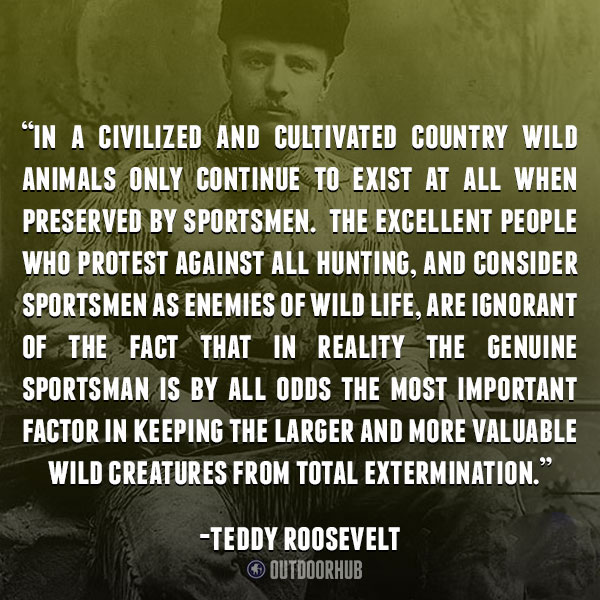
Teddy Roosevelt is easily one of my favorite Presidents.
Sometimes I question whether or not Dad realizes what an example he set for his children – or at least me, as I can’t speak for my brother or sister. He, along with my mom, spent the last nearly 46 years owning and operating Russell Canoe Livery and Campgrounds, Inc. and are still actively involved in the business. They purchased the canoe livery from my paternal grandmother, Judy Reid, in June 1977, a few months prior to their wedding. Growing up in and with the business, I saw firsthand what my parents and grandparents did to grow the business, including the sacrifices they made.
As a child, whenever anyone asked what my dad did for a living, my response of “he owns a campground and canoe livery” fascinated many. As the canoe livery developed, Dad focused on creating a business that not only worked around our family life – it complimented my mom’s teaching career and our school schedules well. It also allowed him to pursue his hobbies of hunting and fishing in a way impossible for most people.
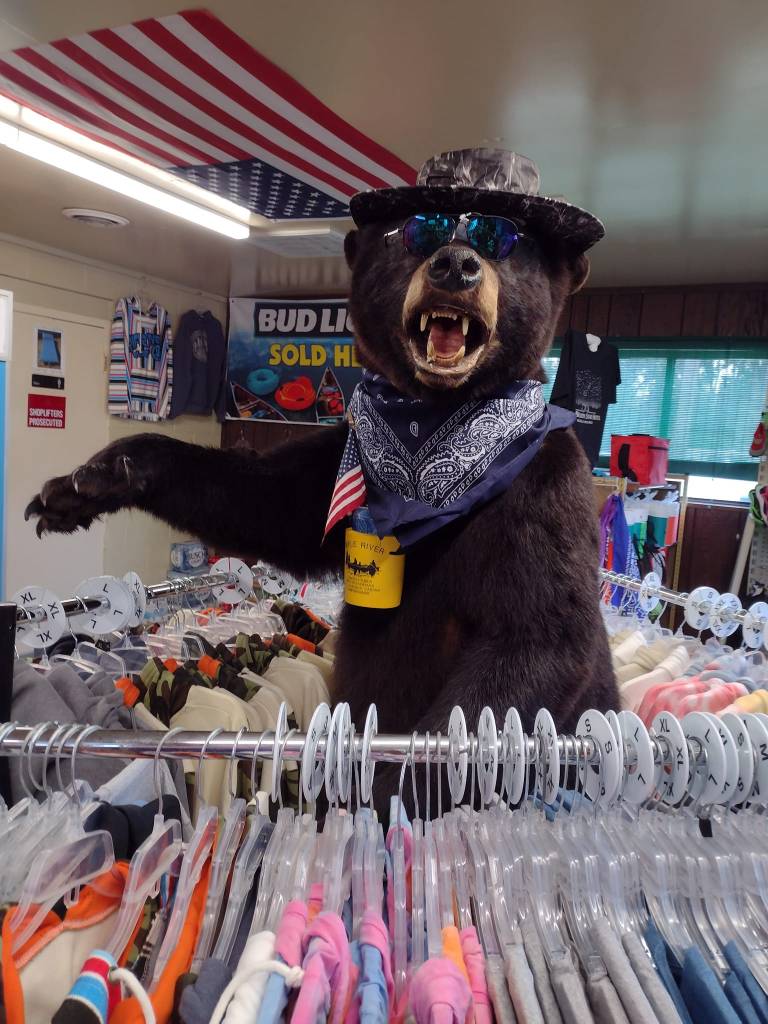
I admit it: I know more about hunting and fishing than any non-hunter, non-fisherwoman I know. All thanks to Dad. I grew up feeding Beagle hunting dogs used for rabbit hunting; with various mounts in our basement; and learning what a Pope and Young record meant, once my dad killed a Canadian black bear with a bow and arrow. That bear now infamously resides in our main office/store in Omer, a legend in his own right.
This guy gets a lot of attention during the summer months, holding down the fort in our office. Russell Canoe Livery, Omer, Michigan
As a young child, when I asked Dad why he hunted deer, he took the time to give me the full, true explanation. At six years old, he explained how deer hunting helps control the deer population in Michigan. If they weren’t hunted, there would be many more car/deer accidents, and they could become over-populated, causing starvation and disease. I have never forgotten that lesson. Even though I am no hunter myself, I have no issue with it – as long as rules are followed and as much of the animal is used as possible.
What I admire most about my dad is how he was able to create a life for himself in which he prioritized what he wanted out of life – and it wasn’t money – it was about lifestyle. Even though he didn’t directly use his degree in wildlife biology in his career – he didn’t become a conservation officer – that knowledge allowed him to more fully understand what was needed to become a better hunter and fisherman. Dad’s passion for his hobbies, even today in his 70s, still inspires me.
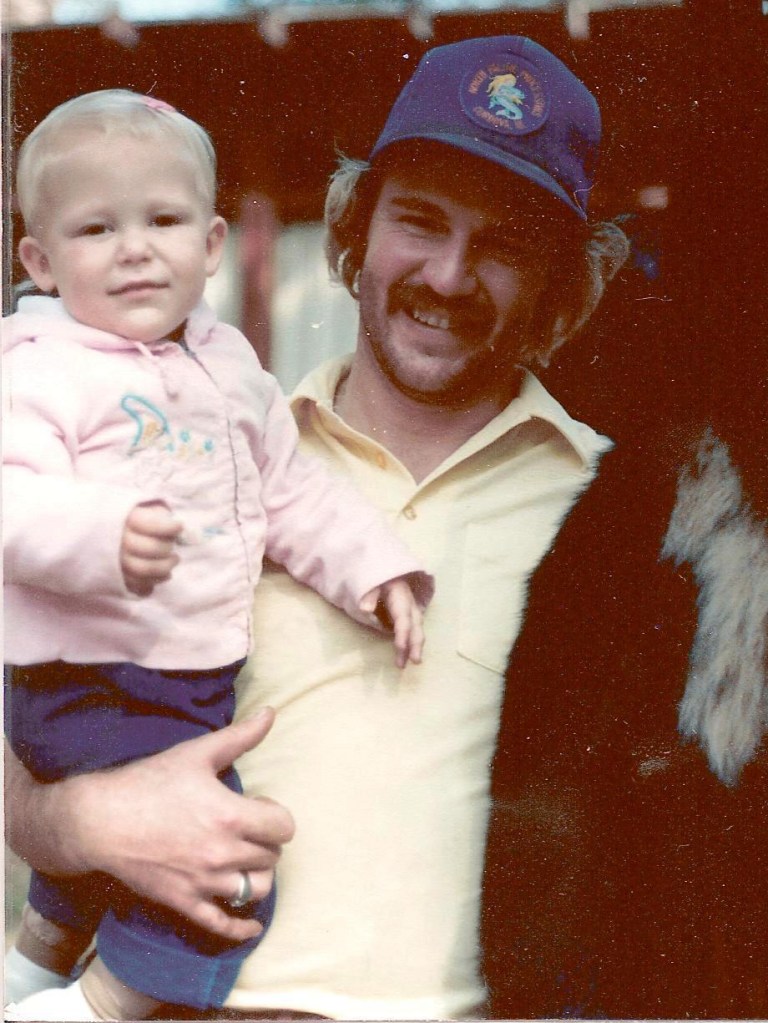
Dad and Me – Camp Russell 1981, with his first bear.
What I’ve long realized is that I am just as passionate about reading and writing. He may not see it or recognize the correlation, but I do. It is the reason why I earned my writing certificate from Delta College, took additional humanities courses when possible, joined Mid Michigan Writers, attended several writing workshops, and so much more. Everyone should be so lucky. I am never bored. I am eternally grateful that my dad was able to find a way to make it all work and set an example for me to follow. Per usual, I’m just doing things the “hard” way. I will get there … eventually.
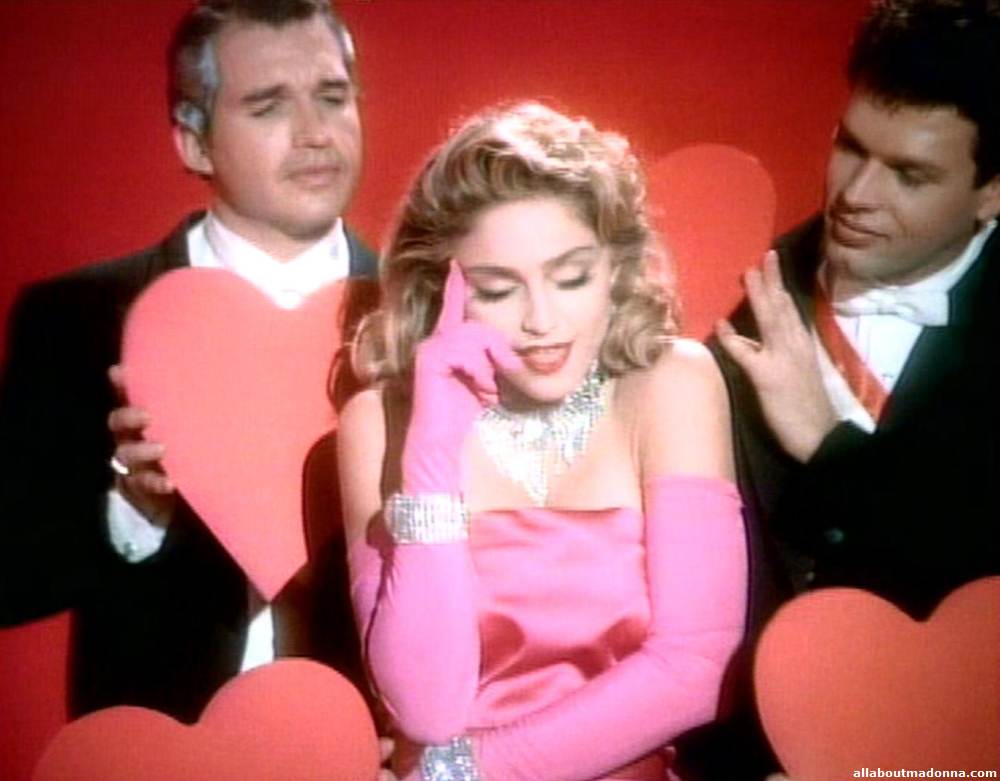
On Friday evening March 31st, 2023, I joined scores of others to attend “Madonna 40” at the Delta College Planetarium. A sold out show, it was incredible – and a lot of fun! Designed to honor Madonna’s 40th anniversary of her first hit single “Holiday” and her always controversial place in Bay City history, it did not disappoint. My only wish: I would have thoroughly enjoyed another hour of her classic music videos and would have gladly paid accordingly. There is nothing quite like watching the music videos that made Madonna a superstar and an inspiration to a generation of girls and women, for better or worse, on the big screen. It is an experience I will never forget. Her early music will always be a part of the soundtrack to my early childhood memories. In designing the program, the following original, unedited music videos were shown in all of their ‘80s and early ‘90s glory:
A still from arguably Madonna’s most iconic music video, Material Girl (1984).
Frankly, the music video portion of the program outshone everything else. The videos have held up over nearly four decades. What struck me most in the vintage videos was Madonna herself. Definitely not model thin or “fat,” she exuded old-school glamor in “Material Girl,” “Vogue,” and “Like A Prayer” with the dance moves that made her famous. As for “Papa Don’t Preach,” she looks like any fresh-faced midwestern high school or college girl.
Personally, I felt that the organizers/designers missed a huge opportunity by not including at least the videos for both “Promise to Try” (1989), which was largely filmed at her mother’s gravesite in Kawkawlin, Michigan (just north of Bay City), and “This Used to Be My Playground” (1992), which was included on the A League of Their Own soundtrack and supposedly written about Bay City becoming her refuge after her mother’s untimely death. The only actual footage of Madonna in or near Bay City was not included in the program. How?
The next segment of the program, “Smelly Little Town,” is originally why I wanted to attend the event and even moved around my schedule to do so. Debuting as part of the Hell’s Half Mile Film and Music Festival in Bay City in 2021, I doubted I would ever have another opportunity to see it. Growing up with the controversy, knowing Bay City a little too well, and having been born in Bay City myself, I had to check it out.
First and foremost, it is quite possibly the most Bay City thing I’ve ever seen in my life. Let me just say this: It began and ended with scenes of people polka dancing at the St. Stan’s Polish festival to the Steve Drzewicki Band, both Bay City institutions. I half expected to see my ex’s parents go dancing on by. In general, the film did a decent job describing Bay City, covering all aspects of the “smelly little town” controversy with Madonna, and explaining how ever-corrupt Bay City small town politics is the answer as to why Bay City has never really been able to capitalize on the fact that it is the birthplace of Madonna.
This mural in downtown Bay City was privately funded and tucked away on a small side street.
For those who don’t know, Madonna Louise Ciccone was born at the former Mercy Hospital in Bay City, Michigan on August 16th, 1958. Madonna is her actual given name as she was named after her mother. Upon her mother’s tragic death in 1963, Madonna spent time in Bay City with her grandmother, who lived in the Banks area, then home to a nearby oil refinery (hence the “smelly little town” comment that caused such an uproar). To this day, there is very little commemorating Madonna in Bay City. Then again, this is the same city that passed on becoming home to a casino and a minor league ballpark, both of which went to nearby communities.
If something wonderful is planning on coming to Bay City, one can be sure that public outrage will ensue in some way, shape, or form. I am speaking from experience. When I moved back to Michigan with my ex, a Bay City native, in 2005, the controversy over the then new Wirt Public Library – a gorgeous new anchor for downtown Bay City – had yet to wane. While I agree it doesn’t have the history of the historic Sage Library in Bay City, people were genuinely upset over a beautiful new library downtown. I will never understand the mentality.
Then again, back in 2005, Michigan experienced a one-state recession which was about to turn into the Great Recession. 2008 is covered well in the documentary. It is rightfully called one of the darkest times in Bay City history, and frankly, I consider my life in Bay City (2005-2012) one of the darkest periods in my life as well. Yet, while Bay City is almost unrecognizable from that dark hour, there is still nothing formal honoring Madonna in the city.
As much as I wanted to see “Smelly Little Town,” I doubt it would have been half as entertaining if not for my own experiences with Bay City and my early love of Madonna’s music. In fact, much of it is forgettable. However, it did a good job highlighting the ridiculousness of the entire situation and Bay City politics. I actually understand the controversy now. A little explanation and context behind Madonna’s comments would have changed everything. In the same infamous 1985 interview with Jane Pauly, Madonna goes on to say that she has “great affection” for Bay City.
By the way, Bay City still is a “smelly little town.” In a hilarious coincidence, I happened to drive by the Michigan Sugar plant on Friday on my way to see “Madonna 40.” For those who don’t know, processing sugar beets can smell like hot garbage on a good day. Friday, as I drove by, it never smelled worse.
Clearly, Madonna’s relationship with Bay City remains complicated. I fully understand why. My love/hate relationship with Madonna – I will always love Madonna’s music, but question her methods of self-promotion – mirrors my love/hate relationship with Bay City itself. I do hope that she is commemorated in Bay City at some point. Not every small town can claim to be the birthplace of the best-selling female musical artist of all time.
By the way, if you want a quick, accurate outline of Madonna’s complex history with Bay City, the article below does a wonderful job of doing just that.
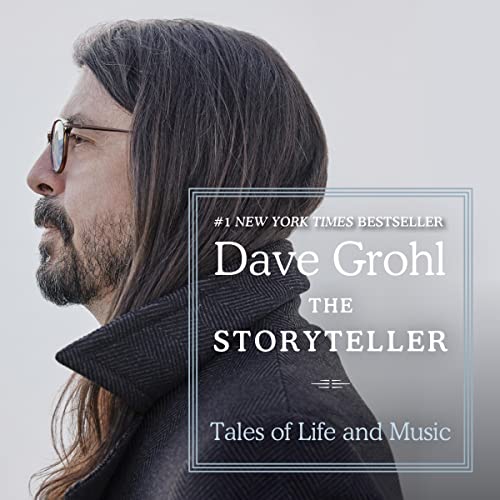
I admit, it took me a little longer than usual to get throughStoryteller: Stories of Life and Music by Dave Grohl, but it certainly didn’t disappoint. It is one of the best memoirs I’ve read. Considering his current stature in the world of pop rock/alternative, whatever you want to call it, as a drummer, his humble nature shines through. It all started with his pure love of pop rock, namely the Beatles, moving on to the punk scene of the late 70s and early 80s, and making it big with Nirvana and grunge. Today, it seems as though Dave Grohl has settled in as drummer and girl dad extraordinaire. If planning on reading the book, I highly recommend the audiobook version as he reads his own memoir. There is nothing quite like hearing about Nirvana’s early days and the danger of their exploding fan base from the drummer himself. Then there are the well-placed expletives in his internal monologue as he meets his musical heroes and juggles world tours with daddy-daughter dances and musical projects with Joan Jett.
There is so much that stands out that it is hard to know where to even begin. First, the unwavering support of his teacher mother is undoubtedly one of several keys to his success. She supported – or put with – his love of music and his decision to drop out of high school in order to tour the United States with a band. Dave’s description of his discovery of punk rock at the hands of a formerly “preppy” family friend is memorable, as is his realization that she was in a punk band herself. It sets the stage for what is to come.
His description of his life between dropping out of high school and eventually joining Nirvana is as hazy and transient as his life at that time. It’s great and easy to imagine. Opportunities to fill in and drum with his idols Iggy Pop and Tom Petty standout as it is clear that Dave was as star-struck as can be at the time.
Frankly, the section in Seattle with Nirvana is just sad as we all know how it ended. Dave’s descriptions of Nirvana’s meteoric rise to infamy is gut-wrenching to read and full of danger. He describes in spectacular detail playing venues far too small for how big Nirvana had grown in such a short amount of time thanks to MTV and “Smells like Teen Spirit.” After Kurt Cobain’s death, Dave understandably took some time to process everything and ground himself once again.
Given the timeline, it appears that Dave developed Foo Fighters and started his family at roughly the same time, both growing together. For me, the best part of the book involves Dave’s descriptions of juggling life with his three daughters and superstardom. Stories involve things such as Paul McCartney giving his eldest daughter her first piano lesson and Joan Jett reading his daughters bedtime stories.
The Joan Jett story is one of my favorites. It starts with Dave in the Barbie aisle helping his daughters pick out a doll and coming across a Joan Jett doll. His girls didn’t realize that Joan Jett was a real person. Soon, Joan herself was over to their house working on some musical project with Dave, when his oldest daughter asked her if she would read them a bedtime story. She did .. in her pjs.
Then there is the story of the daddy-daughter dance. It involves a whirlwind trip to Australia and back to make the dance, the Australian tour itself, and a horrific bout of food poisoning. Yet, he made it and didn’t break his little girls’ hearts.
Above all, it is a series of stories about following your dreams, hard work, fame (or infamy), family, and music. Dave’s descriptions of conversations with his dad are touching in the end. In the beginning, it seemed as though Dave hated his dad due to his conservative politics and his parents’ divorce. While much of Dave’s relationship with his dad remained complicated prior to his fame, it does seem as though they made up in the years before his father passed away. It also appears that Dave took his dad’s financial and career advice.
While I didn’t outline it here, there are plenty of rock star stories from the road in the book as well. They are just as good. Dave appears to have found a balance between his career and family both in the memoir and in real life. If you love music at all or just enjoy memoir, check it out.
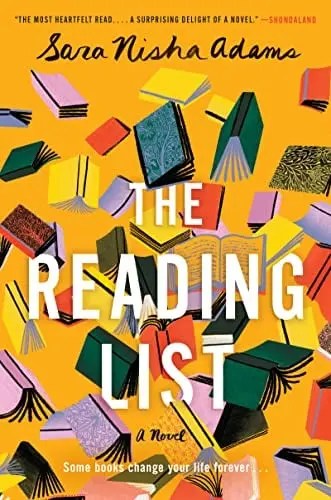
The overall message of The Reading List by Sara Nisha Adams far outweighs anything else I can say about the book. Are the characters relatable and well-developed? Yes. I found myself cheering them on throughout the entire book. Would I say that they are the best or most important aspect of the book? No. The relationships they develop with one another are much more interesting. Above all, the role that the local library and the reading list plays in the plot and the development of the relationships between various characters is the real story.
The main protagonists, Aleisha, a young teenage girl with a troubled home life who works at the library over the summer at the suggestion of her older brother, and Mukesh, a widower who struggles to regain his sense of purpose after the loss of his wife of decades, Naina, meet at the local library. The unlikely friendship that unfolds after their first unpleasant meeting sets the stage for all that follows that fateful summer, changing both of their lives irrevocably.
Set in the quiet London Borough of Ealing, the local library serves as a focal point for the community, even if it is well-loved and in search of additional patrons. The reading list Aleisha finds, labeled “just in case you need it,” ultimately brings several people together in unexpected ways. It is this list that I find to be the most interesting aspect of the book. It is obvious that The Reading List was written by a bibliophile for bibliophiles.
The following reading list is found in the book:
In Case You Need It …
The Time Traveler’s Wife * (discussed in the book, but not included on the list)
To Kill a Mockingbird
Rebecca
The Kite Runner
Life of Pi
Pride and Prejudice
Little Women
Beloved
A Suitable Boy
______________________
From the Author …
Jhumpa Lahiri, The Namesake
Arundhati Roy, The God of Small Things
Zadie Smith, White Teeth
Chimamanda Ngozi Adichie, Americanah
Katherine Heiny, Standard Deviation
Rohinton Mistry, A Fine Balance
Hiromi Kawakami, Strange Weather in Tokyo
Angela Carter, The Magic Toyshop
Maya Angelou, I Know Why the Caged Bird Sings
Attia Hosain, Sunlight on a Broken Column
Ali Smith, There But For The
Ultimately, The Reading List is about how books and libraries can bring us together. It is a great message that more people need to hear. While I don’t often hear it anymore, there are still some people who do not recognize the modern importance of libraries. Personally, I believe that they are more important than ever. I am grateful that my local libraries appear to be doing well and have a lot of local support. I can’t imagine life without them. What makes The Reading List so powerful is the demonstration of how various characters connect over books and how those connections impact their lives. The right books seem to appear at just the right time. I feel for anyone who has not had that experience. I cannot recommend The Reading List enough.
Yes. I do intend to eventually read through both lists.
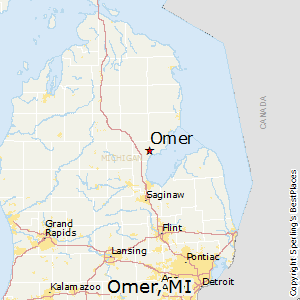
Recently, I realized that I mention my hometown extensively without providing many details. Unfortunately, many readers – even seasoned Michiganders – might have no idea where Omer, Michigan is. It is just under an hour north of Bay City. If you take the 188 Standish exit off of I-75, you will likely end up on US 23 north in Standish. Omer is the next small town, approximately 7 miles north on US 23. A bridge over the Rifle River, a caution light, and a set of railroad tracks are all landmarks to let you know that you have traveled through the city.
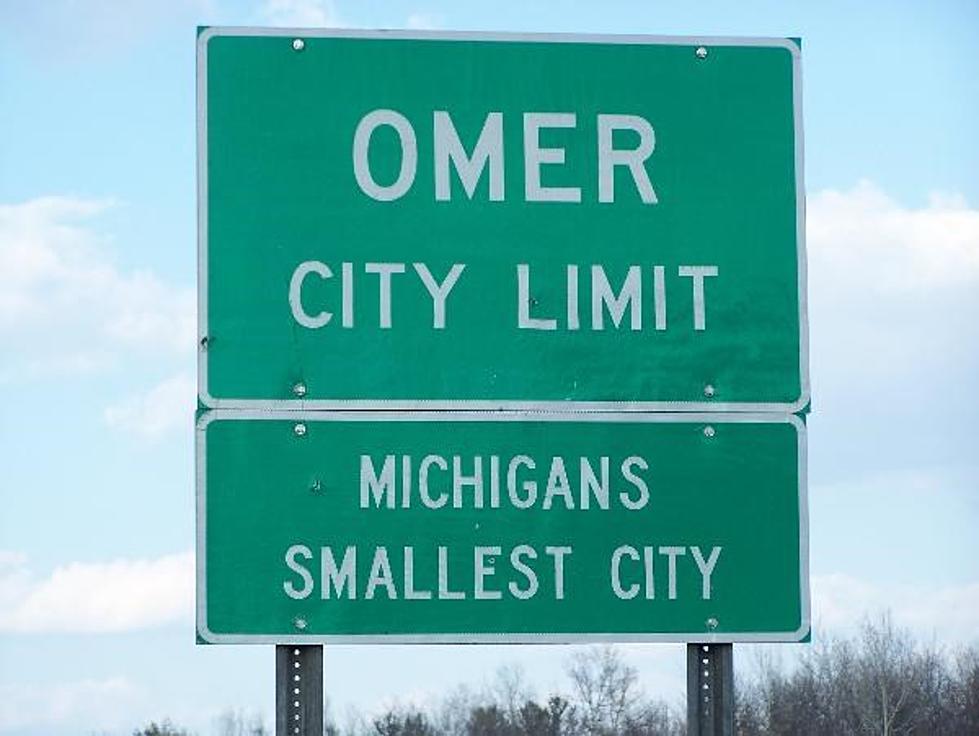
Being from Omer, Michigan isn’t for the faint of heart. For decades, the city of Omer has held the distinction of being Michigan’s smallest city, boasting a population just shy of 300 souls. Living in a small town does not come without its hazards. Nothing remains private for long. Both of my parents grew up in the area as well, with both of their families having ties to the area going back generations. Growing up attending Standish-Sterling Community Schools, not only was I a teacher’s kid as my mom spent most of her teaching career at Standish Elementary, our family business, Russell Canoe Livery, meant that my family was well-known in both Omer and Standish. In fact, Omer has no school, aside from a Head Start program aimed at preschoolers. When Omer’s school burned down in the early days of the 20th century, it was never rebuilt.
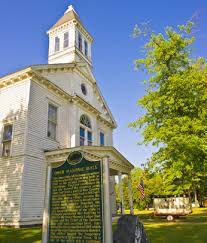
Sadly, despite its location in the heart of Arenac County and its one-time status as the county seat, little remains of a once thriving city. Today, the Arenac Country Historical Society works to preserve the Old Courthouse, the lone remaining structure to tell Omer’s cautionary tale. During the early part of the 20th century, roughly 1905-1918, Omer experienced a series of natural disasters (namely fires, floods, and tornadoes) that nearly destroyed the city. Throughout the 80s and 90s, the local diner, first known as Cody’s and later Ziggy’s (now a Dollar General), had disposable placemats outlining Omer’s history, including the natural disasters.
Originally named Rifle River Mills, Omer’s identity has always depended on the Rifle River. In the late 19th century, lumber from dense northern Michigan forests traveled rivers such as the Rifle to the sawmills in the south, namely in Bay City and Saginaw. In fact, our main location in Omer, our smaller campground, is the remains of an old mill pond. In fact, it becomes easy to imagine the pond if you look at the current topography of the campground. Today, the Rifle River is used exclusively for recreational purposes – fishing, canoeing, kayaking, rafting, tubing, and more. One day last summer, I saw two young girls in bathing suits walking down Carrington St. carrying their canoe. It is forever frozen in my mind as the most “Omer” thing I’ve ever seen in my life.
Today, Omer is home to three campgrounds, two of which are also canoe liveries, Russell Canoe Livery and Campgrounds, Inc., being the largest. In addition, Omer is home to Meihls Mechanical, a self-storage business that is continually growing, Dollar General, the Sunrise Side Senior Center, a library attached to city hall, a post office, a small park with basketball hoops and playground, the Old Courthouse, and not much else. While not exactly thriving, the city itself looks better than it has in decades, closed Rob’s Auto and Greg’s Market aside.
Today, Omer is relatively well known for two things: the local sucker run and witchy wolves. The sucker run deserves it own post. As it will be starting soon, stay tuned. My piece on the witchy wolf legend, dating back to right after the US Civil War, can be found here. Omer will never be perfect, but it will always home.
Picture used as the album cover of Wildlife (1971), Wings’ first album. Photo Credit: Barry Lategan
Paul McCartney and Wings – Give Ireland Back to the Irish (1971) (Video)(Lyrics)
(Written March 19, 2023)
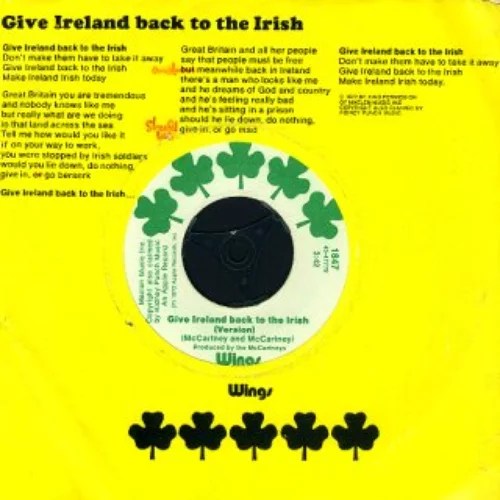
Paul McCartney never disappoints, and “Give Ireland Back to the Irish” can be considered a perfect demonstration of the breadth and depth of his talents. This past winter, December 2022 to be exact, The 7” Single Box Set hit stores. This monster encompasses 80 seven-inch vinyl singles dating from his Wings and solo careers, spanning over 50 years of musical history (1971-2022). Easily retailing for hundreds of dollars, the idea works as vinyl continues to come roaring back thanks to collectors and the lack of a better medium. What could be better than listening to music the way it was originally intended? As I have no vinyl collection and my days of collecting physical music (my CD collection in the 90s, early 00s) are long over, it never occurred to me to find the collection digitally. Fortunately, that is precisely what I did, and for that, I am grateful. “Give Ireland Back to the Irish” shines in the collection as the gem it is.
Rediscovering my favorite Wings hits, along with Paul McCartney’s extensive back catalog of solo work, made listening to The 7” Single Box Set a guilty pleasure. “Give Ireland Back to the Irish” definitely caught my attention. First, I had forgotten how much I love the song. It also hit me how easy it is to forget that Paul McCartney can actually rock all on his own, silly love songs aside. I still consider it among the best protest songs of all time.
Then there is the significance of the song. Growing up in the 80s and 90s, I devoured the news daily. I learned about “the Troubles” at a young age, and it is still something I will never understand. Hatred between Catholics and Protestants? It didn’t make sense. Differences of opinion and belief? Yes. Hatred? No. It went against not only everything I had experienced as a child in my daily life, it also went against everything I had been taught to believe.
First, my father’s extended family is roughly half Catholic and half various Protestant denominations. While my family and I belong to the Methodist church, my paternal first cousins were raised in the Catholic Church. As a toddler, I attended cousin Nicole’s first Communion. When my Russell grandparents married in 1943, my Protestant great grandmother, Dad’s Grandma Russell, supposedly didn’t originally like the idea of her youngest son marrying a Catholic.
Next, Standish, Michigan, the site of my entire K-12 education, is largely Catholic. I spent my early childhood watching my classmates attend Catechism on Wednesday evenings. My Catholic classmates knew my beloved Joyce – my neighbor, babysitter extraordinaire, and adopted grandmother – from 3rd grade Catechism as she taught Catechism for nearly three decades. I watched in envy that spring as the Catholic girls dressed up as miniature brides to make their first Communion. Later, as an adult, Mom shared with me that she’d felt the same way watching her Catholic best friends make their first Communions decades before.
Finally, our neighbors were Catholic. Not only were they Catholic, they were the most devote Catholics I’ve ever known. It is no secret that my brother, sister, and I adored Joyce and Carl. On Saturday afternoons, Joyce could often be found ironing all of the linens about to be used in Mass later that evening. Earlier in my childhood, my parents actually used to go out from time to time on Saturday evenings. Joyce could babysit, but there was one catch: my sister Erica and I would be attending Mass with her family, as would our brother Garrett years later.
Much to my Methodist grandmother’s amusement, her Catholic friends would comment on seeing my sister and I, dressed up and on our best behavior, in Mass with Joyce and her family, looking cherubic. Erica and I may have attended the local Catholic church more than our Methodist church in our earliest years. Those Saturday evenings are among some of my best memories of time spent with Joyce, Carl, Karla, and Joelle.
Even as a young child, I recognized the cognitive dissonance required for me to hate Catholics. It would have meant hating many of the very people closest to me throughout my childhood – friends, family, teachers, etc. – solely based on religion. Considering my paternal grandmother’s Ukrainian/Polish heritage, it would almost demand some level of self-hatred. I will never even begin to understand.
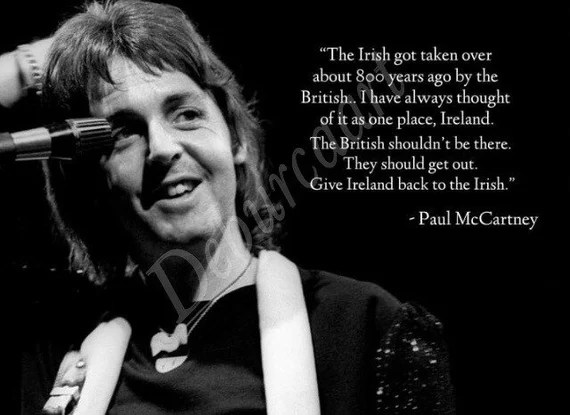
Supposedly Paul McCartney’s family was a mixture of Catholic and Protestant as well, which would explain “Give Ireland Back to the Irish.” Even given his level of fame, the song took a certain amount of courage to write and record, particularly in the aftermath of the Beatles and the formation of Wings. The lyrics say it all:
















 Ramblings of a Misguided Blonde