
Category Archives: book review

Welcome February!

2025 started off pretty well, but I’m just getting started.  There is so much more I wanted to accomplish, but days rush by, especially when fighting off the January “ick.”  My writing really took a nosedive and a backseat.  Fortunately, it is NOT for a lack of ideas.  In fact, it is quite the opposite.  I have too many.  I need to prioritize and mix it up.  Here are a few things to look forward to in 2025.

Gen X

I’ve been floating around this idea for months.  It gets right to the heart of my best and deepest childhood memories.  Between belonging to a fun Xennial Facebook group (NOT SFW) and discovering hysterical Gen X content creators discussing everything from the 70s-90s, I can relate.  Aside from the childhood nostalgia, they are discussing the perils of becoming the default mediators between Baby Boomers and Millennials, perimenopause (or just menopause), and the weirdness of some being the parents of grown children while others have toddlers or even infants.  There is something for everyone.

My favorites so far:

  • The “virtual” dodgeball game between some of the more well-known Gen X content creators.
  • The elaborate storylines, complete with 80s costumes, of some of the creators.  There are two in particular who created an entire world of characters just using their imaginations, along with costuming and makeup techniques.  Both are incredibly talented!

Frankly, my childhood would not have been the same without Gen X.  They were always the “cool” older kids – namely my cousins (all girls) and the teens who worked at the canoe livery every summer – all of whom introduced me to the best music, slang, and fashions of the ‘80s.  I distinctly remember wanting to replicate some of my cousins’ outfits and being so eager to grow up.

As much as I can relate to Gen X, I am definitely not strictly Gen X.  While technically Gen X ends in 1980, I was born December 18th, 1980, just two weeks away shy of 1981 and being classified a Millennial.  If anyone is on the cusp of those two generations, it is me.  As a result, I am a Xennial (1977-1983), with characteristics of both generations.

Grandma Reid @ 100

January 22nd, 2025 would have been Grandma Reid’s 100th birthday.  She always told my sister and me that she’d live to be 100 to “haunt you girls.”  Then, she’d laugh as only she could.  Gratefully, she lived a long, full life, passing away the day before her 92nd birthday in 2017.  Still, I am left with so many memories and lessons, especially now that I am well into my 40s.  It all deserves to be mentioned.

1925

1925 played a pivotal role in my family history.  Two of my grandparents were born in 1925, Grandma Reid and Grandpa Buttrick, and my second great-grandfather, A.G. Forward, started Forward Corporation, which would become the reason why my maternal grandparents eventually moved to Standish.  My parents would have likely never met otherwise.

Grandpa Buttrick @ 100

Born on April 1st, 1925, he definitely needs to be commemorated as well.  He taught me a lot, and if I hadn’t moved back to Michigan in 2005, I would not have known him nearly as well as an adult.  He, along with my dad, are the original inspirations for my decision to study business.  It has served me well!  Sometimes I think I learned just as much from them, and the companies they headed for so many years, as I did from my formal education.

Music

Not only are there dozens of songs I need to add to my mixtape, I have much to say about Oasis’s recent attempt to join the 90s nostalgia craze in concerts, not to mention the fact that Ringo, now well into his 80s, recently released a #1 album, country no less.  Also, I didn’t fully realize this until fairly recently, but I belong to a generation that closely associated music videos with the music we love.  That just doesn’t happen much anymore.  There is a reason why there are jokes stating that MTV only provided approximately 15 years of music.  We still want our MTV!

Book Reviews

Book reviews consistently get the most traffic, and I adore writing them.  I am way behind.  In fact, The Women by Kristin Hannah still haunts me, and it will continue to haunt me until I write a review.  I loved that book, and I consider it one of the best pieces of historical fiction I’ve ever read.  Then there is The Frozen River by Ariel Lawhon, another great piece of historical fiction.  Of course, there are others I need to review as well.

The Supply Chain Lens

In light of all that has transpired over the last several years, I feel compelled to share what keeps me awake at night.  It all involves supply chains and our manufacturing capability.  It is far more interesting that it sounds, I promise.  Also, I plan to keep it as non-political as possible, even though I feel we have all been fooled.  Even though I did not necessarily pursue a career in supply chain management, my business education forever colored how I see the world.

As you can see, lots of great things to come!  Welcome February!

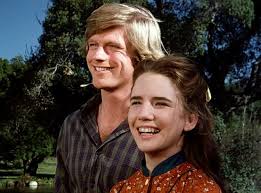
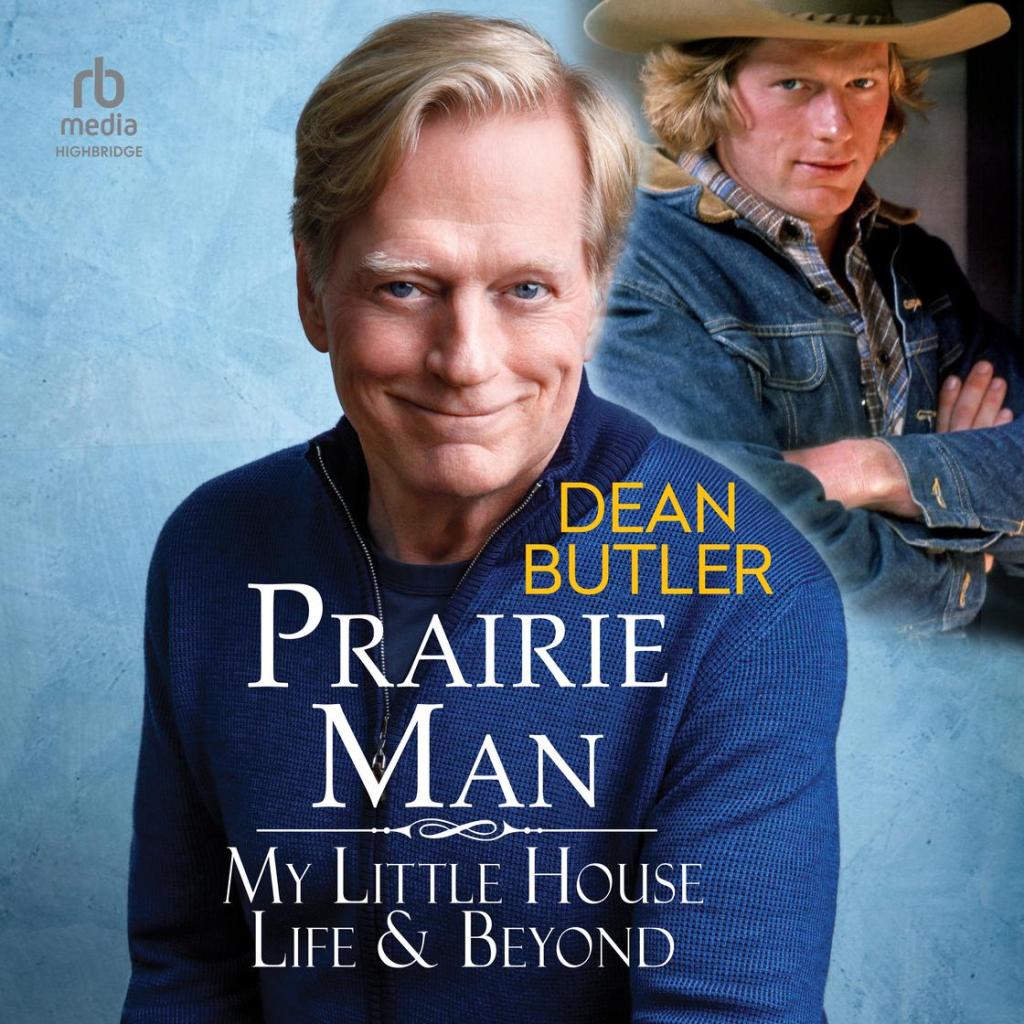
Book Review: Prairie Man by Dean Butler

Dean Butler as Almanzo Wilder
in Little House on the Priarie

This year, the TV show Little House on the Prairie celebrates 50 years since its television debut.  Oh, and does that show still have a following.  To celebrate, several events were held at various locations throughout the country, including most of the homesites of the Ingalls and Wilder families.  They even recreated several of the sets at Big Sky Movie Ranch in Simi Valley, California, where most of the series was filmed.  Infamously, the last installment of the series saw the original set of the town literally destroyed as part of the plot.  Under the terms of filming, the producers of Little House on the Prairie contractually had to return the land to its original condition.

So, where does Prairie Man by Dean Butler come in?  First, the book debuted this summer in the midst of all of the events.  Second, and most importantly, Dean Butler, who played Almanzo Wilder in the last years of the series, and Alison Arngrim, the one and only Nellie Oleson, who famously penned Confessions of a Prairie B*tch, have worked tirelessly to keep the legacy of the TV show alive.  In fact, this entire year, they decided to host a podcast dedicated to all things relating to the 50th anniversary of the Little House on the Prairie TV show.

Prairie Man stands out for a couple of reasons.  First, I may not be technically correct on this, but I believe that Dean Butler is the oldest surviving male cast member.  Several actors that played young boys on the series survive, but the grown men, including Michael Landon, Victor French, Richard Bull, and Dabs Greer, just to name a few, are long gone.  While there are several memoirs written by female cast members, including two alone written by Melissa Gilbert, Prairie Man is the only one written by a man. 

While I’ve only read Confessions of a Prairie B*tch by Alison Arngrim (you can read my review here) and Prairie Man by Dean Butler, they could not be more different.  I loved both, but I enjoyed Butler’s sense of history, not to mention his diplomatic handling of tensions between fans of the books and fans of the TV show.  He addressed all of the controversies surrounding both series well.

I learned a lot.  While I knew that Rose Wilder Lane’s “adopted” grandson, Roger Lea McBride, ended up with the television rights to the novels, I did not know the full story.  The real story is included in Prairie Man.  In the early 70s, Ed Friendly purchased the rights from McBride due to his wife’s and daughter’s love of the books.  Only when Michael Landon became involved as executive producer, taking the TV show further and further from the original books, did trouble occur.  According to Butler, Roger Lea McBride became horrified when realized what he had done.  Like Friendly, he envisioned a TV series much more faithful to the books.

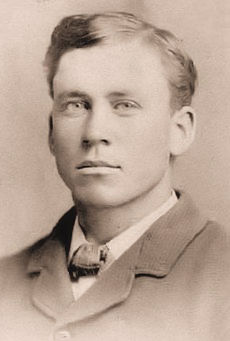
The real Almanzo Wilder, subject of Farmer Boy by Laura Ingalls Wilder

Eventually, all of this grew tension between Landon and Friendly.  Landon’s vision, of course, ultimately prevailed.  It may have been for the best.  Ask yourself, how many children and adults were introduced to the books via the TV show?  Alison Arngrim even admitted that she didn’t read the books until after being cast as quite possibly the best child villain ever portrayed on television, Nellie Oleson.  Michael Landon may have taken extreme creative license, but love it or hate it, Little House on the Prairie, the television show, is still shown all over the world in syndication 50 years later.  It will not die.

The funny thing is that I used to blame Roger Lea McBride for selling the rights to the television series and Michael Landon for what it became.  I used to view the Little House series of books as a cautionary tale as to what can happen if an author’s legacy isn’t well-guarded or just ends up in the hands of attorneys.  For those who don’t know, Rose Wilder Lane never had children (she never formally adopted Lea), and thus, with her death in 1968, Laura Ingalls Wilder and Almanzo Wilder no longer had any direct descendents.  I see it differently today.  I suppose I now subscribe to the old saying “any publicity is good publicity.”

While I probably would have discovered all of the books on my own, especially after my 2nd grade teacher, Mrs. Butz, read Little House in the Big Woods to our class, I doubt any of it would have left such a lasting impression without the TV show.  Early elementary school would not have been the same without it.  I distinctly remember jumping off the bus after school, pigtails flying behind me, eager to catch the 4 PM reruns.  Funny note:  Due to the fact that I grew up on the reruns, I thought Dean Butler was significantly younger, by at least a decade, than he actually is.  His book, of course, made this clear.

Today, I am not necessarily a fan of the TV show, although I do greatly admire what Dean Butler and Alison Arngrim have done for all Little House on the Prairie fans.  I suppose I am not a typical fan.  Normally, most people are devoted fans of the books or the TV show, not necessarily both.  More than anything, I am a huge fan of the real person, the writer herself, the real Laura.  Her true story is far more fascinating than just the books.  She lived an incredibly full additional 70 years after the life she described in all of her books.  When you add in all of the drama surrounding her only daughter, Rose Wilder Lane, it justifies all of the relatively new scholarly work surrounding the Ingalls and Wilder families.  There are still so many questions left to answer.

If you are interested in the Little House series at all, whether book or TV show, Prairie Man is well worth reading.  Butler makes the case that he feels he was born to play Almanzo.  Growing up on a ranch in California, he describes in detail how his entire career has been shaped by that one role.  As he grew older, he decided to lean into it and run with it, much as Alison Arngrim has over the last few decades.  Fortunately for Little House fans, its incredible legacy is in good hands for the time being.

You can also check my review of Prairie Fires by Caroline Fraser here.

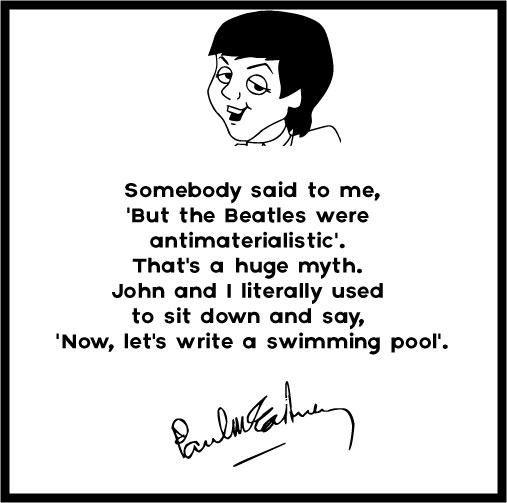
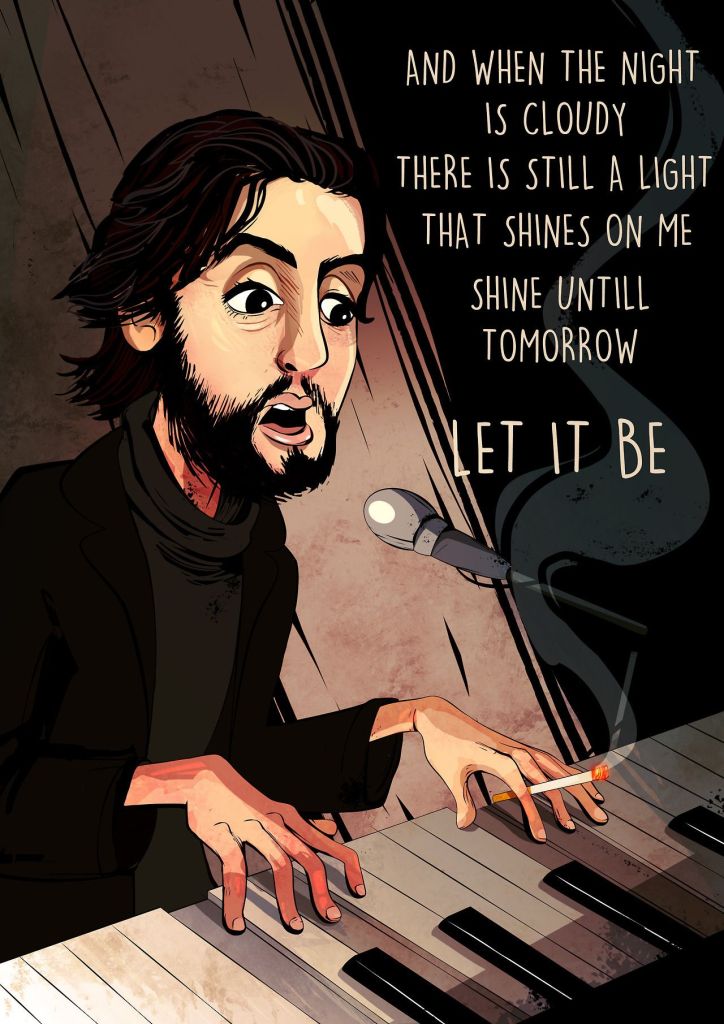
Book Review:  The Lyrics:  1956 to Present by Paul McCartney – The Beginning

First, fair warning:  this is going to be a series of posts.  There is simply too much material, and the entire premise of the project means too much to me.  Before I get into the meat of the book, it is better if readers understand the background.  While John gave me a beautiful hardcover version for Christmas 2021, I am just now reading it.  I knew that I will get sucked in, and I wanted to give it the time and attention it deserves.  The entire idea of this massive memoir grabbed my imagination as soon as it was announced.

In his introduction, Paul McCartney discusses how he has been approached several times to write a memoir or autobiography.  With this idea rolling around for years, his former brother-in-law, Lee Eastman (the late Linda McCartney’s brother), gave him the idea to write a memoir using his song lyrics, explaining their backgrounds and inspirations.  Frankly, it is a brilliant idea.  In creating The Lyrics, Paul McCartney sat down with renowned poet Paul Muldoon to discuss the poetry behind the lyrics.  Paul Muldoon also served as editor.

I may be only through songs starting with C, but I am thoroughly enjoying the book.  The entire organization of the book is unique.  The Lyrics, of course, covers some of the earliest Beatles songs (back to the Quarrymen, actually) to Paul’s latest solo efforts, with Wings in between.  It truly covers 65 years of some of the best pop music ever written.  Some songs written were given to other bands or acts, such as Peter and Gordon and Badfinger.  The book is not in chronological order, but it is instead arranged by song title.  Throughout the book are dozens of historic photographs from McCartney’s personal archives.  Throughout, he explains his song writing process and inspirations.  Another cool feature of the book is that someone took the time to create a Spotify playlist that includes all of the songs in The Lyrics in order that they appear in the book.  You can listen along as you read.  In my opinion, it doesn’t get much better than that.

I look forwarding to sharing more about The Lyrics once I finish the book.  It may a bit, but it will be well worth it in the end.  As a writer, music lover, and avid Beatles’ fan, especially Paul McCartney, I’m obviously the target audience.  Yet, I feel as though there is something for everyone in the book.  Now in his 80s, Paul McCartney is still touring, still writing music, and still out there.  Supposedly, his shows are right around three hours long, without a break.  His work ethic, his passion for performing and songwriting, and deep appreciation for his fans is the only explanation.

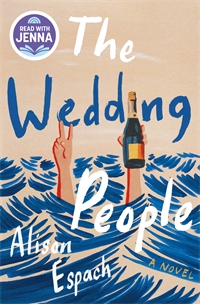
Book Review:  The Wedding People by Alison Espach

I’m not sure exactly what I expected when I started this book, but I did not expect to enjoy it so much, especially given the gritty nature of the subject material covered.  I don’t want to give too much away, but it does deal with such loaded subjects such as suicide, infertility, grief, and love.  Yet, it is witty and realistic as well.  There is definitely humor amongst all the drama.  It is well worth a read.

My favorite is the contrast between our protagonist, Phoebe, who inadvertently crashes a swank wedding week in Rockport, Rhode Island, and Lila, who is a bride-to-be about to kick off a week of wedding activities.  Phoebe has just left everything behind, including her husband, job, house, and cat.  Lila couldn’t be more different, and she is determined that nothing, including an uninvited guest, will ruin her wedding.  Intending to marry in the aftermath of the COVID pandemic and losing her father, Lila spared no expense or experience for her guests.  Will it be enough?

Much of the plot revolves around the emotional and social lives of these two women.  The characters, and I do mean all of the characters, are wonderful, even if the reader isn’t inclined to love them all.  They are deeply flawed and human.  One of my favorites is Juice, Lila’s soon to be step-daughter.  While I love the characters and many are highly developed, well beyond just the protagonists, I would not go so far as to say this is a character-driven novel.  It simply isn’t.  The plot really drives the action, and a lot happens in a week.

I’d love to say more, but I do not want to give away major plot points.  While the action certainly hinges on wedding events over the week, the title itself is a bit misleading.  The book is about so much more than just a wedding or even marriage.  It gets hilariously messy, but it is worth it in the end.  Check it out!

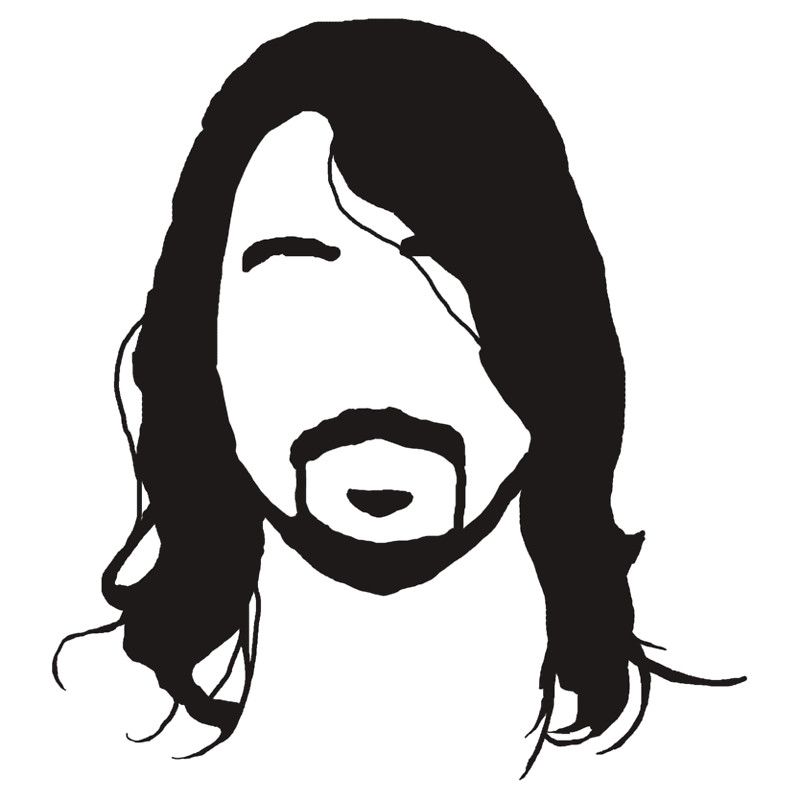
Book Review:  Storyteller by Dave Grohl (Audiobook)

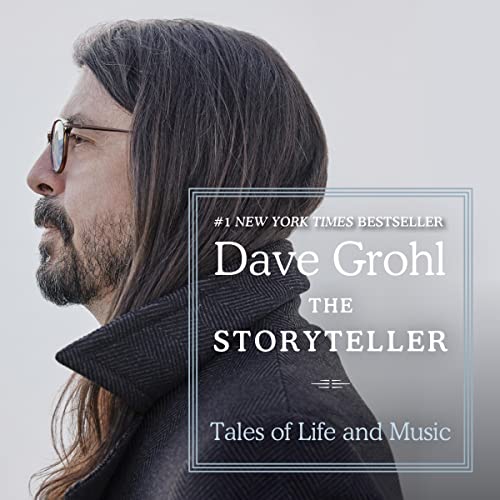
I admit, it took me a little longer than usual to get through Storyteller:  Stories of Life and Music by Dave Grohl, but it certainly didn’t disappoint.  It is one of the best memoirs I’ve read.  Considering his current stature in the world of pop rock/alternative, whatever you want to call it, as a drummer, his humble nature shines through.  It all started with his pure love of pop rock, namely the Beatles, moving on to the punk scene of the late 70s and early 80s, and making it big with Nirvana and grunge.  Today, it seems as though Dave Grohl has settled in as drummer and girl dad extraordinaire.  If planning on reading the book, I highly recommend the audiobook version as he reads his own memoir.  There is nothing quite like hearing about Nirvana’s early days and the danger of their exploding fan base from the drummer himself.  Then there are the well-placed expletives in his internal monologue as he meets his musical heroes and juggles world tours with daddy-daughter dances and musical projects with Joan Jett.

There is so much that stands out that it is hard to know where to even begin.  First, the unwavering support of his teacher mother is undoubtedly one of several keys to his success.  She supported – or put with – his love of music and his decision to drop out of high school in order to tour the United States with a band.  Dave’s description of his discovery of punk rock at the hands of a formerly “preppy” family friend is memorable, as is his realization that she was in a punk band herself.  It sets the stage for what is to come.

His description of his life between dropping out of high school and eventually joining Nirvana is as hazy and transient as his life at that time.  It’s great and easy to imagine.  Opportunities to fill in and drum with his idols Iggy Pop and Tom Petty standout as it is clear that Dave was as star-struck as can be at the time.

Frankly, the section in Seattle with Nirvana is just sad as we all know how it ended.  Dave’s descriptions of Nirvana’s meteoric rise to infamy is gut-wrenching to read and full of danger.  He describes in spectacular detail playing venues far too small for how big Nirvana had grown in such a short amount of time thanks to MTV and “Smells like Teen Spirit.”  After Kurt Cobain’s death, Dave understandably took some time to process everything and ground himself once again.

Given the timeline, it appears that Dave developed Foo Fighters and started his family at roughly the same time, both growing together.  For me, the best part of the book involves Dave’s descriptions of juggling life with his three daughters and superstardom.  Stories involve things such as Paul McCartney giving his eldest daughter her first piano lesson and Joan Jett reading his daughters bedtime stories.

The Joan Jett story is one of my favorites.  It starts with Dave in the Barbie aisle helping his daughters pick out a doll and coming across a Joan Jett doll.  His girls didn’t realize that Joan Jett was a real person.  Soon, Joan herself was over to their house working on some musical project with Dave, when his oldest daughter asked her if she would read them a bedtime story.  She did .. in her pjs.

Then there is the story of the daddy-daughter dance.  It involves a whirlwind trip to Australia and back to make the dance, the Australian tour itself, and a horrific bout of food poisoning.  Yet, he made it and didn’t break his little girls’ hearts.

Above all, it is a series of stories about following your dreams, hard work, fame (or infamy), family, and music.  Dave’s descriptions of conversations with his dad are touching in the end.  In the beginning, it seemed as though Dave hated his dad due to his conservative politics and his parents’ divorce.  While much of Dave’s relationship with his dad remained complicated prior to his fame, it does seem as though they made up in the years before his father passed away.  It also appears that Dave took his dad’s financial and career advice.

While I didn’t outline it here, there are plenty of rock star stories from the road in the book as well.  They are just as good.  Dave appears to have found a balance between his career and family both in the memoir and in real life.  If you love music at all or just enjoy memoir, check it out.

Book Review:  The Reading List by Sara Nisha Adams

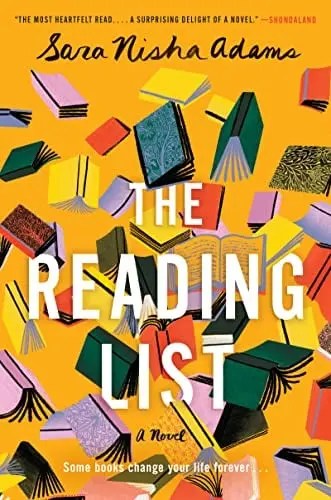
The overall message of The Reading List by Sara Nisha Adams far outweighs anything else I can say about the book.  Are the characters relatable and well-developed?  Yes.  I found myself cheering them on throughout the entire book.  Would I say that they are the best or most important aspect of the book?  No.  The relationships they develop with one another are much more interesting.  Above all, the role that the local library and the reading list plays in the plot and the development of the relationships between various characters is the real story.

The main protagonists, Aleisha, a young teenage girl with a troubled home life who works at the library over the summer at the suggestion of her older brother, and Mukesh, a widower who struggles to regain his sense of purpose after the loss of his wife of decades, Naina, meet at the local library.  The unlikely friendship that unfolds after their first unpleasant meeting sets the stage for all that follows that fateful summer, changing both of their lives irrevocably.

Set in the quiet London Borough of Ealing, the local library serves as a focal point for the community, even if it is well-loved and in search of additional patrons.  The reading list Aleisha finds, labeled “just in case you need it,” ultimately brings several people together in unexpected ways.  It is this list that I find to be the most interesting aspect of the book.  It is obvious that The Reading List was written by a bibliophile for bibliophiles.

The following reading list is found in the book:

In Case You Need It …

The Time Traveler’s Wife * (discussed in the book, but not included on the list)

To Kill a Mockingbird

Rebecca

The Kite Runner

Life of Pi

Pride and Prejudice

Little Women

Beloved

A Suitable Boy

______________________

From the Author …

Jhumpa Lahiri, The Namesake

Arundhati Roy, The God of Small Things

Zadie Smith, White Teeth

Chimamanda Ngozi Adichie, Americanah

Katherine Heiny, Standard Deviation

Rohinton Mistry, A Fine Balance

Hiromi Kawakami, Strange Weather in Tokyo

Angela Carter, The Magic Toyshop

Maya Angelou, I Know Why the Caged Bird Sings

Attia Hosain, Sunlight on a Broken Column

Ali Smith, There But For The

Ultimately, The Reading List is about how books and libraries can bring us together.  It is a great message that more people need to hear.  While I don’t often hear it anymore, there are still some people who do not recognize the modern importance of libraries.  Personally, I believe that they are more important than ever.  I am grateful that my local libraries appear to be doing well and have a lot of local support.  I can’t imagine life without them.  What makes The Reading List so powerful is the demonstration of how various characters connect over books and how those connections impact their lives.  The right books seem to appear at just the right time.  I feel for anyone who has not had that experience.  I cannot recommend The Reading List enough.

Yes.  I do intend to eventually read through both lists.

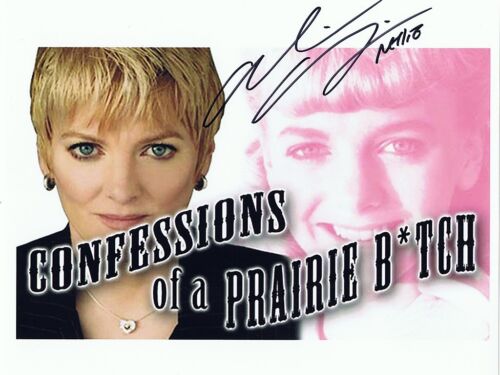
Book Review:  Confessions of a Prairie B*tch by Alison Arngrim (Audiobook)

Where do I begin?  First, if you are or were a fan of The Little House on the Prairie TV show in the 70s and 80s, I can’t recommend this book enough.  Be aware:  This isn’t saccharine.  Far from it.  If you are easily offended, this probably isn’t for you.  However, if you loved to hate Nellie as a little girl and wished each week for Laura to give Nellie exactly what she deserved – in spades – this book is for you.  If you ever thought that playing the most outrageous villain possible on TV would be fun, once again, this book is for you.  Last but not least, if you count Nellie Oleson and her overbearing mother Harriet among the favorite TV characters from your childhood, you need to read this book.

Frankly, both The Little House on the Prairie TV show and the children’s book series were a huge part of my childhood.  I can’t imagine growing up without either.  I do know that by 2nd grade, I was hooked.  Mrs. Butz reading Little House in the Big Woods to our 2nd grade class saw to that.  In early elementary school, I would fly off the bus to make sure I didn’t miss the start of Little House on the Prairie at 4 PM, in much the same way I made sure I was home at 4 PM during my high school years to watch Oprah.  It was simply what I did, and I loved every minute of it.

I know that there are still a lot of adult fans of the show out there – millions of them, in fact – but I’m not really one of them.  As an adult, I couldn’t get over the increasingly bizarre storylines that strayed further and further from the books – Albert’s opium addiction, anyone?  Then there was the issue of no mountains in Minnesota, where the show was supposedly set, and the fact that the Ingalls family spent a big part of Laura’s childhood in DeSmet, South Dakota.  In reality, the Ingalls family didn’t live in Walnut Grove for long.  Still, there was something special about the show.  It might be a little too sweet for my taste now, but back then, it was the best.

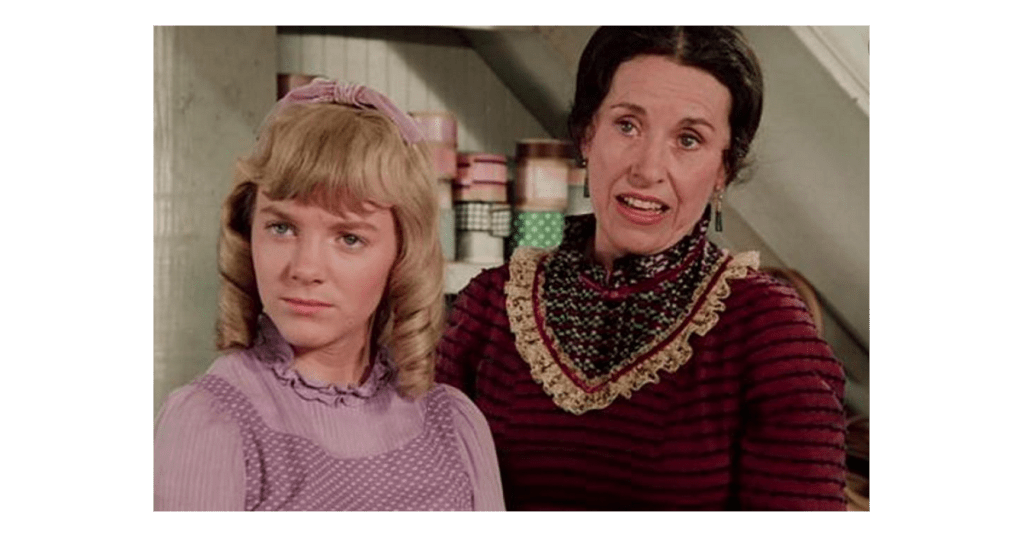
Nellie and Harriet made the show, of course.  The Ingalls were so wholesome and down to earth that they needed Nellie and Harriet as foils.  Personally, I think the show would not have worked without their over-the-top antics.  They had to be just that outrageous. In the book, Alison talks lovingly about her TV parents.  Supposedly, in real life, they were similar to their TV characters, although Katherine MacGregor (Harriet) was much nicer, even if just as bold.  Alison’s descriptions of Katherine alone make the book worthwhile.  As fun as Harriet was to watch, the best scenes were the ones in which Nellie and Laura actually fight.

About Laura and Nellie … in real life, Alison Arngrim (Nellie) and Melissa Gilbert (Laura) were best friends.  They spent a lot of time together on and off set and at each other’s homes.  One of their favorite pastimes happened to be simply appearing in public together.  People freaked out.  I can only imagine how much fun they had playing up their “rivalry.”

Alison’s antics with Melissa Gilbert are a great part of the book, but there is so much to unpack here.  First, there is that voice.  I chose to listen to the audiobook version as soon as I learned that she read her own book.  As soon as I started listening, I knew I had made the right choice.  Regardless, the book would have hit me with a huge wave of nostalgia, but Alison reading her book in a voice that I have always associated with childhood evil personified:  priceless.

In all fairness to Alison, she comes across as extremely down to earth in her book to the point that I’d actually love to meet her.  She spends quite some time discussing the perils and perks of playing one of TV’s greatest child villains.  Can you imagine growing up playing a character people loved to hate?  Once, during a publicity event at a private school, an event that she attended with Katherine MacGregor (Harriet Oleson), both in full costume, some of the students shoved her so hard that she laid face down on the pavement for a while until her father realized what had happened to her.  He ended up taking her home immediately.  It was the last time she attended a publicity event in costume.  How do you deal with that all before adolescence?

Alison Arngrim as Nellie Oleson with her TV mother, Katherine MacGregor as Harriet Oleson.

In the book, Alison uses the trauma she experienced as a child as a way to frame her memoir.  No, her trauma isn’t exactly what comes to mind with young stars and Hollywood, but sadly, it seems all the more common – and of course, very real.  I’m not going to discuss it here for many reasons; the main one being that, in a way, it is the point of her memoir.  I don’t want to spoil it for those who haven’t read it.  She has used that trauma to try and help prevent others from experiencing the same thing.  In essence, she uses her “inner b*tch” to create real legislative change in an effort to protect kids – all kids.

One of the more interesting tidbits I learned in the book is the history behind why the TV show deviated so much from the books.  Michael Landon supposedly exclaimed at one time:  “My God!  Have you actually read the books?  There are descriptions of churning butter!”  In other words, they had to up the action.  I get it, I do.  What makes a great book doesn’t necessarily make great television.

I suppose that’s what has always bothered me about the TV show.  As an aspiring writer, it sickened me to think what happened to Laura Ingalls Wilder’s original work.  Now, older and wiser, I can see the value of the TV show too.  I am sure it inspired millions of kids to pick up the original books.  All publicity is good publicity, right? For people who grew up with the TV show, I can’t recommend Confessions of a Prairie B*tch enough.  There are so many great aspects to Alison Arngrim’s memoir.  It is a wonderful combination of nostalgia, good story, and humor.  By the way, Alison’s voice impression of Melissa Gilbert is hilarious.  Several other memoirs have been written by the child stars of Little House on the Prairie.  In fact, I plan on reading both of Melissa Gilbert’s books.  I will be surprised if Confessions of a Prairie B*tch doesn’t remain my favorite.

Book Review: The Personal Librarian by Marie Benedict and Victoria Christopher Murray

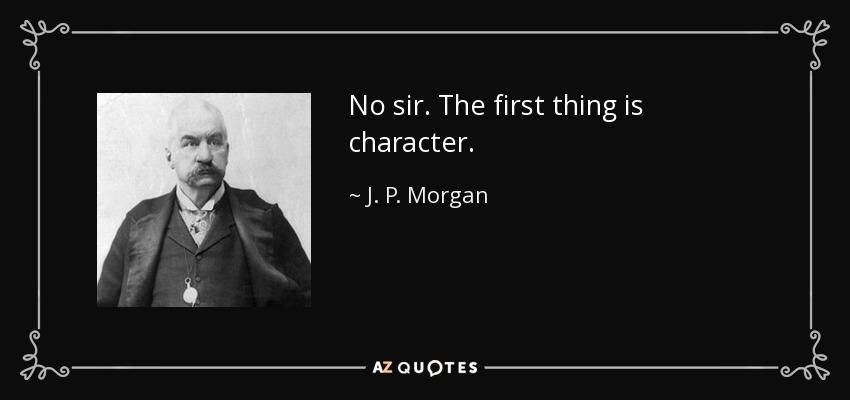
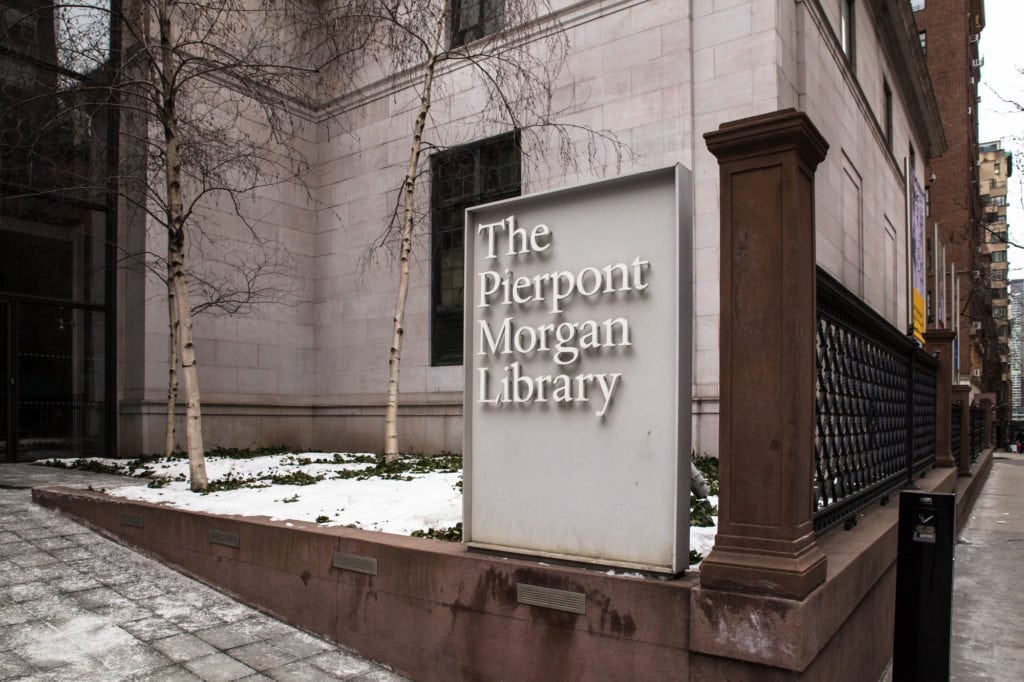
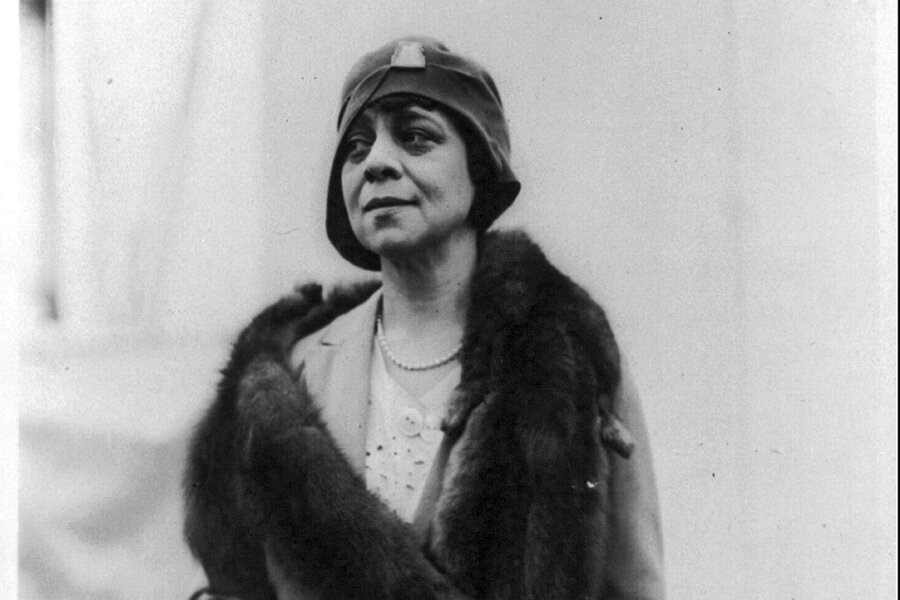
J.P. Morgan’s Personal Librarian Was A Black Woman. This Is Her Story.- Karen Gringsby Bates

The Personal Librarian by Marie Benedict and Victoria Christopher Murray is one of the more memorable books I’ve read lately.  As historical fiction, it hits all of the right notes.  A tribute to its authors – one Caucasian, one African-American – I personally love how race and all the issues surrounding Belle, a mixed woman from a prominent African American family from Washington, DC “passing” as white in the Gilded Age, are treated in the book.  Nothing is held back.

It is clear what Belle “da Costa” Greene is forced to give up as she becomes personal librarian to JP Morgan.  By permanently passing as white, she is forced to sever ties to her extended family in Washington, DC, eventually loses hope of ever marrying or having children, and lives in constant fear of her secret being discovered.  The family decision to “pass” tears it apart.

In return, Belle is hired as JP Morgan’s personal librarian.  She secures a financial future not only for herself, but members of her family as well.  She also becomes witness to history.  By becoming JP Morgan’s personal librarian, she enters the rarified world of high-end manuscript and art actions – a realm dominated by men at the time.  Working together for decades, Belle and JP Morgan build one of the finest personal libraries and art collections in the world.  It is her perseverance that eventually helps to open the JP Morgan library to the public.

There are a few things that I adore about this book.  First, Belle is a likable protagonist.  One can’t help but wish her the best.  That said, she is not perfect.  We are treated to all of the tricks and coping mechanisms Belle uses to cause a sensation in a world of men.  We are privy to all of her hopes and dreams, wins and losses.  For me, this is what makes the book.  We all have secrets, and we get to know Belle’s intimately.

Then there is just plain envy.  Can you imagine being charged with securing some of the most rare manuscripts and artwork in the world for JP Morgan, helping him create a first-class institution from the ground up?  That is exactly what Belle accomplished.
I am in awe that Belle is a real historical figure.  Her story deserves to be told in full.  While certain details are fictionalized, The Personal Librarian is rooted in many historical truths.  I cannot recommend it enough, particularly if you are a lover of books and history.

The real Belle. Her true given name was Belle Marion Greener.

Book Review: Heal Yourself with Journaling Power by Mari L. McCarthy

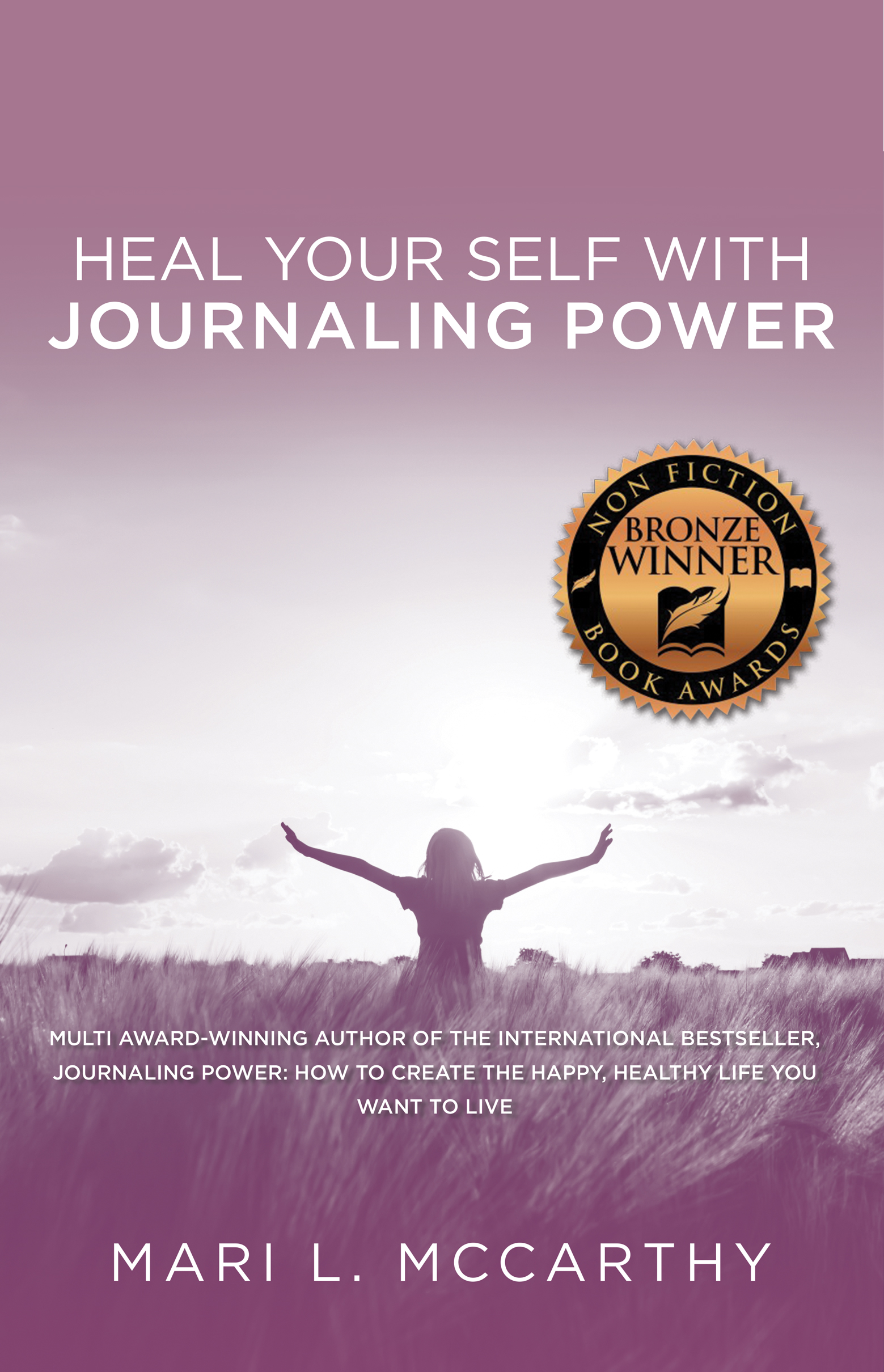
HYSWJP Bronze.jpg

In Mari L. McCarthy’s latest book Heal Yourself with Journaling Power, she outlines the many personal benefits of starting or continuing to journal.  Heal Yourself with Journaling Power offers writers and non-writers a concise overview of how journaling can be used to help resolve all kinds of personal issues through daily journaling.  The book itself serves as a roadmap and call to action for anyone desiring change or left wanting more out of life.  I expect nothing less from the author/creator behind CreateWriteNow.

Mari begins by describing the true power behind journaling:  daily habit.  It did not surprise me that she begins by mentioning morning pages.  The same concept fuels one of my favorite websites:  750words.  Deceptively simple, the humble act of writing daily drives later change.  Once journaling becomes a daily habit, the real work begins.  However, all true healing through journaling hinges on writing consistently.

In the book, Mari provides readers with an outline on how to use this power to heal their own lives.  She includes different aspects of her personal story and anecdotes of others who have had similar experiences to drive her points home.  In addition, she provides readers with journal prompts in each chapter.  As a result, it can easily be viewed as a textbook by anyone wanting to use journaling to fundamentally change his or her life.  Part memoir, part writing manual, and part self-help book, I would recommend Heal Yourself with Journaling Power to anyone remotely interested in self-improvement, journaling, or writing generally.

In fact, a few simple tools will put anyone on the path to healing through journaling.  Personally, I would recommend using 750words or another online journal to get started journaling daily.  Add in the community and resources over at CreateWriteNow along with a copy of Heal Yourself with Journaling Power to keep motivated and moving forward.  I don’t see the need for much else when it comes to journaling, although different prompts are always fun and often provide insight that moves the process along.

As a writer, I found myself largely agreeing with Mari throughout the book.  While I haven’t experienced some of the more dramatic physical changes she attributes to journaling, I have journaled consistently enough during various stages of my life to attest to its power.  I particularly agree with Mari that journaling provides a clarity that is difficult to find anywhere else.  The clarity that comes from journaling consistently can help writers overcome a myriad of obstacles that may be in their way, no matter what they might be.

While I would recommend Heal Yourself with Journaling Power to any writer, non-writers may benefit from it message to a greater degree.  The techniques outlined in the book can be used by anyone to help identify roadblocks and move forward on any goal, dream, or ambition.  Using the journaling process to help organize one’s thoughts and formulate a plan of action may not be obvious to non-writers.  The power of journaling needs to be experienced to fully understand just how lifechanging it can be.

Stay tuned!  Next week I will be interviewing Mari L. McCarthy.

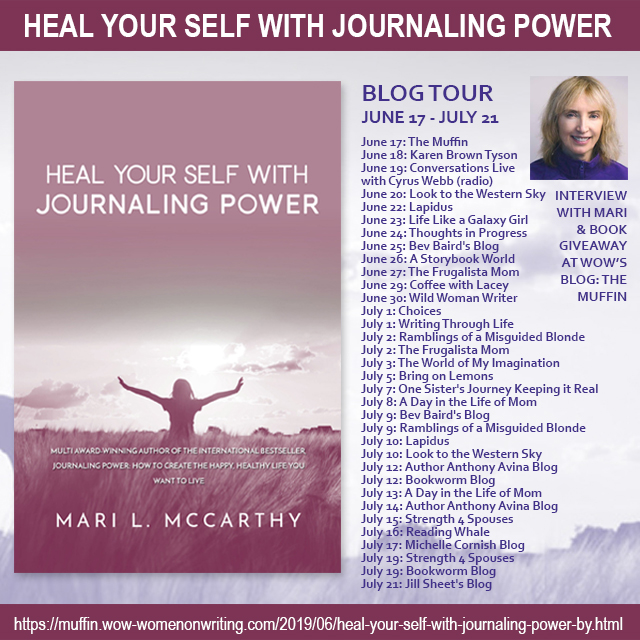
Banner-HealYourSelfWithJournalingPower-MariMcCarthy-BlogTour.jpg

About the Author, Mari L. McCarthy

Mari L. McCarthy is the Self-Transformation Guide and Founder/Chief Inspiration Officer of CreateWriteNow.com. She is also author of the international-bestselling, award-winning book Journaling Power: How to Create the Happy, Healthy Life You Want to Live.

Mari began journaling to relieve the debilitating effects of multiple sclerosis (MS) over 20 years ago. Through journaling, Mari was able to ditch her prescription drugs and mitigate most of her MS symptoms. Now she teaches people throughout the world how to heal, grow, and transform their lives through the holistic power of therapeutic journaling.

She lives in a gorgeous beachfront home in Boston, where she has the freedom, flexibility, and physical ability to indulge in all her passions, which include singing and recording her own albums.

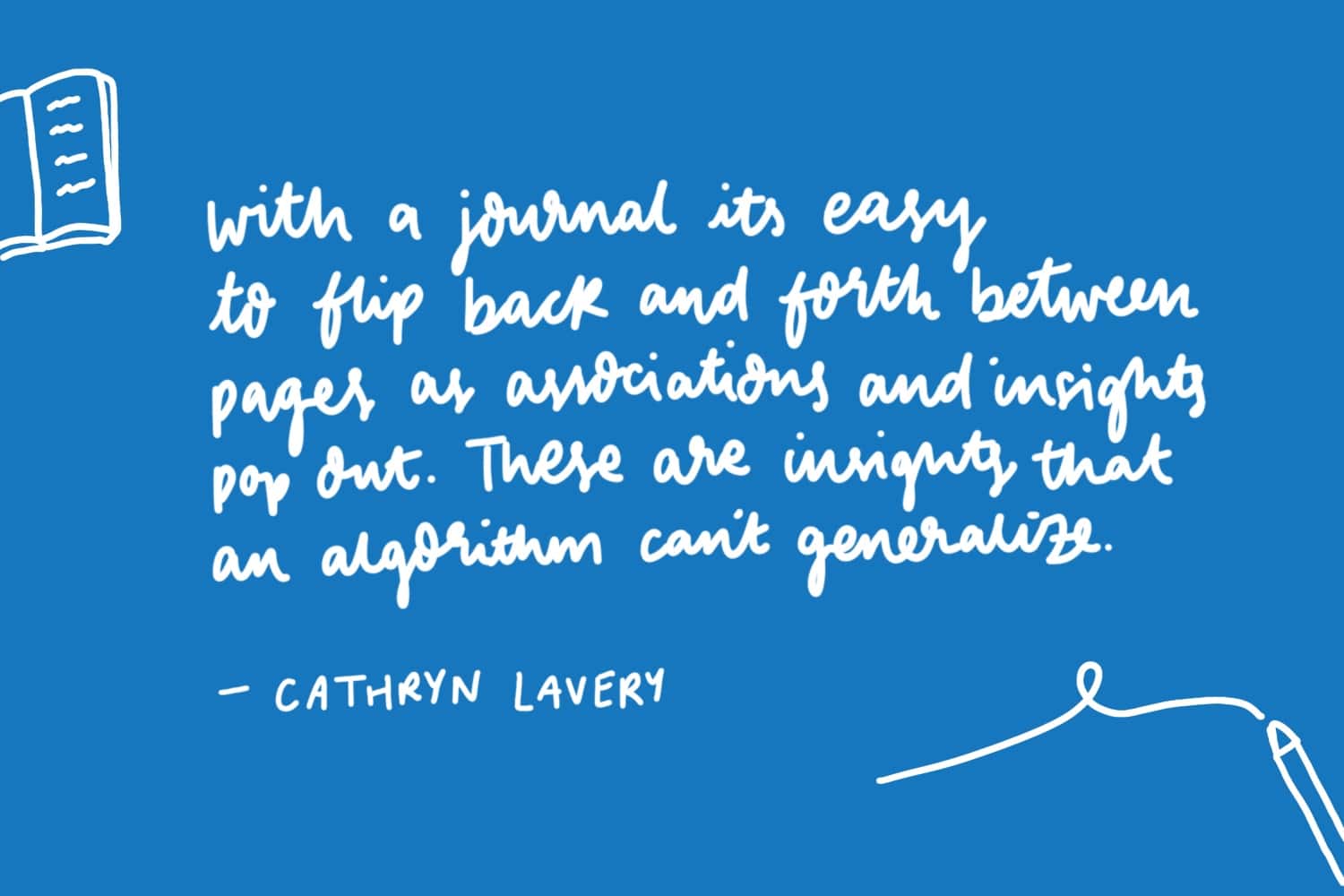
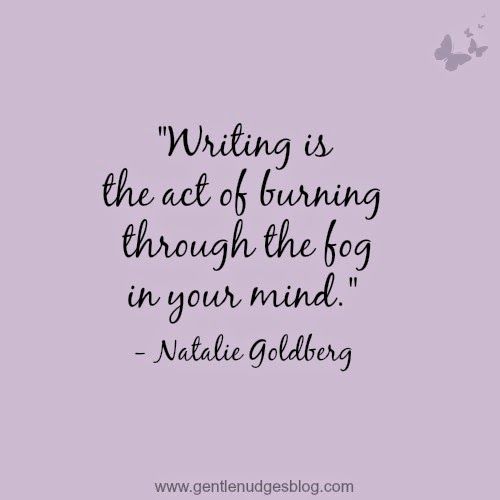
Journaling Quote

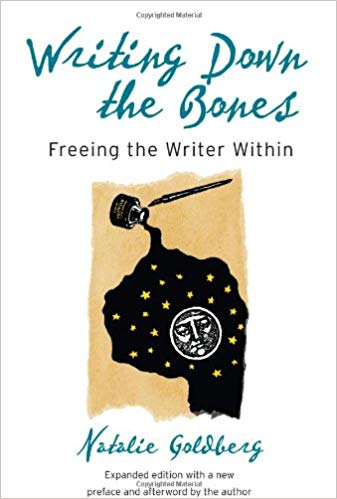
Book Review: “Writing Down the Bones” by Natalie Goldberg

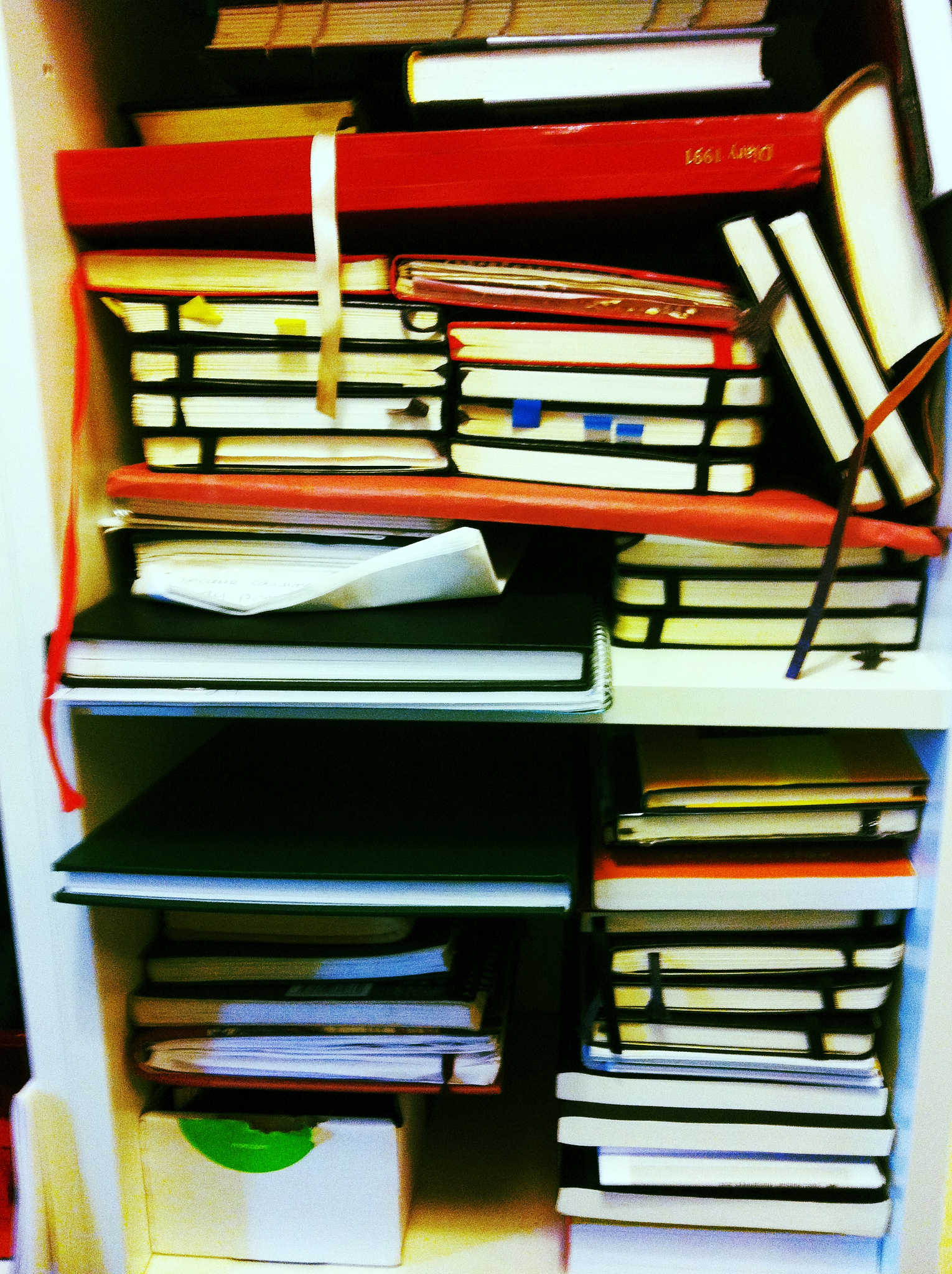
Journals 2.jpg

It isn’t every day that I can say a book fundamentally changed the way I view writing and how I write.  Such is the case with Natalie Goldberg’s Writing Down the Bones. Somehow, I thought I read the book nearly a decade ago.  No. No I didn’t. That became clear when I picked it up recently.  I wish I read it ten years ago! Better late than never, I suppose.

I finished the book several weeks ago at this point, but I couldn’t quite capture the impression it left.  I took my time reading her essays and highlighted (in my Kindle version) what I perceived to be the best writing advice contained in each essay.  That is one feature I love about this book. Her advice is all nice and neatly wrapped up in small essays that make you feel as if you know her. So, how did it change the way I write?

Natalie 1

Well, here are a few changes that I made as a result of her book:

  1.  I finally got journaling right.  Finally.

I may have mentioned this before, but I have had a love/hate relationship with journaling for as long as I can remember.  I love the idea of journaling every day. Better yet is starting a new journal. Add online journals into the mix, and the entire thing is one huge mess.  I collect journals. I hate actually writing in the more beautiful ones at times. Beautiful journals call for beautiful words. No one gets it right the first time.  After a short period of time, I always wanted to start all over again. Repeat.

So, what changed?  Well, I started acknowledging there is a need to get the junk out of the way first.  That is where 750words comes in. By writing daily in this online journal daily – no frills, just the junk that comes to mind – I tend to become much more focused when I write a blog post or in one of my beautiful traditional journals.  I limit what I write in a traditional journal to one short page a day. It is much more focused.

Natalie refers to the “junk” as monkey mind, and that concept deserves its own blog post. The idea is that we all tend to think in circles. We have to write through our wandering thoughts before we can write something meaningful.  She discusses this concept throughout several of her essays.

  1.  Find What Works for You.

This seems so cliche, but she suggests experimenting to find what processes work for you.  No judgement regarding pen versus typing, morning versus evening, and so on. Writers need to write when and where they can.  She provides several wonderful examples of this and how the local atmosphere can seep into writing.

What really made the difference for me was her discussion of what works for her – writing in cheap one subject notebooks until she fills them up.  She goes on to say that the tools truly do not matter. While I knew that wouldn’t work for me, it did get me thinking. It finally hit me. A three-ring binder I could decorate with my favorite writing quotes and fill with tab dividers and loose-leaf notebook paper would work well.  I could plan, write, and revise blog posts without having to worry about destroying bound notebooks. A binder would allow me to reorganize different pieces as I see fit. So far, I love it. I also included some of my favorite blog posts, lists of topics, and writing prompts – anything to keep me writing.

  1.  Don’t Beat Yourself Up.

I would love to write full-time.  The reality is that I substitute teach, spend summers working in the family business, and so much more.  I am trying hard to find time to write everyday, but every once in a while, I don’t. I am learning to just pick up the next day.  I don’t need to stress about it. It is a little thing, but it helps. Creating a simple writing routine helped simplify everything.

I love the fact that she embraces the fact that everyone writes garbage.  We have to work through the garbage to get to the good stuff. Authentic details are everywhere.  Even when not writing, we are still hard at work collecting details, situations, characters, stories, ideas, and so much more.  In fact, that is one reason why I started blogging: I wanted to experiment with and collect different story ideas – to think out loud.

  1.  Write Everywhere and Anywhere.

Write.  Write. Write.  Writers spend so much time avoiding writing.  Plotting, planning, organizing, and even cleaning are all brilliant distractions from the actual writing itself. This is one reason why I head somewhere else when I actually want to get something done.  I can always find something to distract me when I am at home. Natalie goes so far as to offer tips on how to effectively use cafes and coffee shops as places to write. My dream is to have a wonderful coffee shop near my house.  It won’t happen any time soon, but a girl can dream.

Conclusions

Writing Down the Bones may mean different things to different writers, but I would recommend it to anyone who loves to write.  I think there is something in there for everyone. It is a book I will come back to time and time again. Writing Down the Bones already fundamentally changed the way I write.

Writing Down The Bones