Category Archives: books

Reading Inspiration for Writers – Part 1

As with so many writers, I fell in love with reading first.  Over the years, I have found my reading life crucial to my continuing education as a writer.  The best writing advice I’ve ever received is to read as widely as possible.  The best part:  Most of the tips, resources, and suggestions I am sharing here are little to no cost.  One crucial requirement:  a library card.
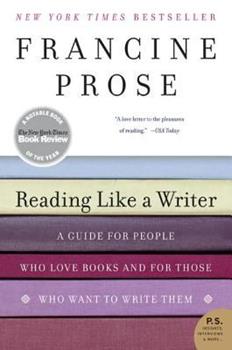
Read Reading Like A Writer by Francine Prose

I read Reading Like A Writer well over a decade ago, but it is one of those books that never left me.  I can’t recommend it enough for any writer.  Prose makes the case for reading widely and for looking carefully at the literature you love most.  Ask yourself:  Why do I love this particular author?  Why do I keep coming back to this particular genre, series, or author?  What techniques is the author employing to keep readers interested?

There are endless opportunities to learn the craft of writing by reading if we know what questions to ask.  Bonus:  The reading list Prose includes for writers is wonderful.

Make Use of Your Local Library and Get to Know Your Local Librarians

A library card is a no brainer.  These days, I tend to use mine to discover and borrow audiobooks via the service Hoopla, as well as borrow ebooks for my Kindle.  Yes, I still checkout traditional books from time to time.  The advantage to ebooks, including Kindle books, and anything from Hoopla is the simple fact that it isn’t necessary to visit the library at all.  It is easy to borrow them online.  Once they are due to be “returned,” the borrower simply no longer has access to the book.  If not quite finished, readers may be able to renew online, depending on the popularity of the book.

Over the years, librarians have been extremely helpful.  As an English teacher during the COVID 19 pandemic, I was fortunate to have local dedicated librarians who were willing to Zoom with my English classes in order to teach students how to borrow books digitally.  Once restrictions were lifted, those same librarians helped me prepare a “book tasting” for my classes in an effort to help students figure out what genres they might enjoy.  As a patron, if you ask, a librarian will nearly always be able to at least point you in the right direction.  They, indeed, should run the world.

As a writer, if you find yourself in a rut in your reading life, there is no better place to seek inspiration than the library.  I’ve been known to take pictures of the covers of books I find interesting in order to add them to my to-be-read pile later.  At times, just the creative grouping or display of books at the library is enough to spark ideas.  If nothing else, pick up a copy of the magazine BookPage to find out what’s new.

Utilize Audiobooks to Energize and Expand Your Reading Life

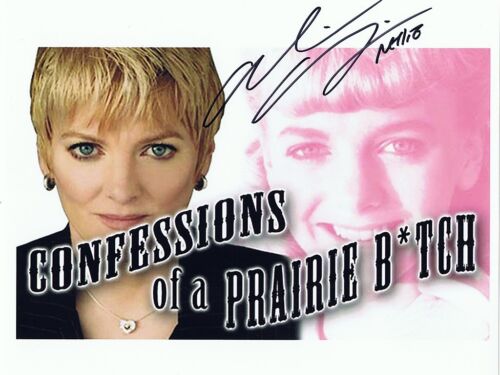
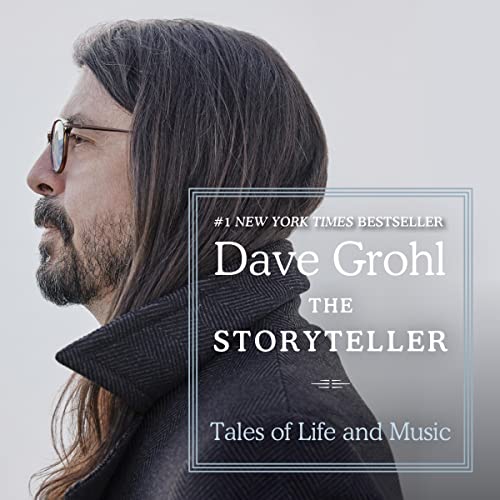
Sometimes, a book is just better via audiobook.  I admit, I was skeptical.  It felt like cheating.  Frankly, the book Confessions of a Prairie Bitch by Alison Arngrim changed all that.  As a fan of both The LIttle House on the Prairie book series and TV show, I knew that I didn’t want to miss Nellie Oleson herself reading her memoir.  I was not disappointed.  Currently, I am listening to The Storyteller by Dave Grohl.  It is another example of the audiobook format being well worth it.  Right now, with audiobooks, I am focusing on memoirs read by their authors.  It seems a natural fit.

Personally, between work and school, I drive quite a bit.  As much as I love listening to the radio and music, audiobooks are a great way to make the most of my time in the car.  It gives me more time to devote to books, which is always a good thing.
Catalog – and Share – Your Reading Life

Before there was Goodreads, there was LibraryThing.  While I have used other benefits of LibraryThing over the years (I am a lifetime member), it offers a way to easily catalog your collection of books or simply track your reading.  Similar to Goodreads, LibraryThing also connects communities of readers.

Sadly, I don’t use either website to track my reading as I am trying to come up with a good system that I will continue to use.  However, both Goodreads and LibraryThing are both excellent ways to find new titles, connect with other readers, read book reviews, and so much more.

Personally, one of my favorite annual features of LibraryThing is SantaThing during the Christmas season.  After choosing a participation level between $20-$50, someone else in the LibraryThing community is tasked with finding books for you to enjoy within that dollar amount.  As a participant, you get to pick for others.  Fortunately, there is a form to fill out that helps avoid duplicates, detail favorite genres/authors, and more.  It is fun to both pick out books for someone you don’t know and see what others have selected for you.  I have participated for several years at this point, and I have yet to be disappointed.  I view it as an annual birthday/Christmas present to myself.  It is yet another way in which I’ve come across wonderful books I would have never picked up otherwise.

Sharing books is equally important.  Frankly, I can’t imagine my reading life without having opportunities to share what I’ve read with others.  I’m fortunate to have grown up in a family that shared and discussed books.  Today, I share book reviews on my blog, Ramblings of a Misguided Blonde, and I still share my favorites with family and friends.  Beware, I tend to review books I love.  I rarely write a negative book review as I can think of only one exception.

Stay tuned for Part 2!

Write What You Love, Love What You Write

It seems so obvious, and frankly, it is a piece of advice that everyone loves to share with writers:  “Write what you know.”  It just isn’t quite that simple.  There are things you know – and then there are things you know – the gut-wrenching realities that no one wants to truly admit.  I’m beginning to see the difference.  For me, that is passion.  There has to be a lot of enthusiasm behind whatever it is that I’m sharing if it is going to be any good.  I have to love what I am about to write.

Early last week, I found myself writing an article outlining different tips for writers regarding their reading lives.  In short order, I had nearly 2,000 words.  It is something I know and perfected over the years.  I take reading seriously.  It simply amazes me how I tend to have almost too much content when I write about certain subjects.  If it involves reading, books, music, or education, I could keep going for hours.

Why, then, haven’t I been focusing on just those topics all these long years?  The simple answer is I don’t know.  The full answer is a bit more complex.  WIth music, copyright laws surrounding song lyrics are tricky.  I needed to come up with a unique way of sharing the music I love.  I think I may have finally accomplished that.  When it comes to books and reading, I spend so much time reading and discussing books in person that it seems silly to write about it much, book reviews aside.  In essence, I need to get over myself.

Then there is education.  As at least a 5th generation teacher (yes, I’ve traced the teaching tradition in my family back at least that far), I have definite opinions and insight – far more than my actual experience in the classroom would suggest.  I have to be extremely careful.  Sometimes when a writer is a little too close to the subject, it is easy to get burned.  In private conversations, I’m content to know that I am not alone.  One day, once I’ve made some definitive decisions regarding my teaching career, it is going to get interesting.

It may have taken me quite some time to find my voice, niche, and style, but I am just getting started.  In spite of the fact that I am 42 and a certain TV “personality” – I refuse to use his name here or mention the network – stated that women reach their peak in their 20s-40s, declining once they hit 50, I have so much more to accomplish that it isn’t even funny.  It will take me well beyond 50.  Stay tuned!

Book Review:  Confessions of a Prairie B*tch by Alison Arngrim (Audiobook)

Where do I begin?  First, if you are or were a fan of The Little House on the Prairie TV show in the 70s and 80s, I can’t recommend this book enough.  Be aware:  This isn’t saccharine.  Far from it.  If you are easily offended, this probably isn’t for you.  However, if you loved to hate Nellie as a little girl and wished each week for Laura to give Nellie exactly what she deserved – in spades – this book is for you.  If you ever thought that playing the most outrageous villain possible on TV would be fun, once again, this book is for you.  Last but not least, if you count Nellie Oleson and her overbearing mother Harriet among the favorite TV characters from your childhood, you need to read this book.

Frankly, both The Little House on the Prairie TV show and the children’s book series were a huge part of my childhood.  I can’t imagine growing up without either.  I do know that by 2nd grade, I was hooked.  Mrs. Butz reading Little House in the Big Woods to our 2nd grade class saw to that.  In early elementary school, I would fly off the bus to make sure I didn’t miss the start of Little House on the Prairie at 4 PM, in much the same way I made sure I was home at 4 PM during my high school years to watch Oprah.  It was simply what I did, and I loved every minute of it.

I know that there are still a lot of adult fans of the show out there – millions of them, in fact – but I’m not really one of them.  As an adult, I couldn’t get over the increasingly bizarre storylines that strayed further and further from the books – Albert’s opium addiction, anyone?  Then there was the issue of no mountains in Minnesota, where the show was supposedly set, and the fact that the Ingalls family spent a big part of Laura’s childhood in DeSmet, South Dakota.  In reality, the Ingalls family didn’t live in Walnut Grove for long.  Still, there was something special about the show.  It might be a little too sweet for my taste now, but back then, it was the best.

Nellie and Harriet made the show, of course.  The Ingalls were so wholesome and down to earth that they needed Nellie and Harriet as foils.  Personally, I think the show would not have worked without their over-the-top antics.  They had to be just that outrageous. In the book, Alison talks lovingly about her TV parents.  Supposedly, in real life, they were similar to their TV characters, although Katherine MacGregor (Harriet) was much nicer, even if just as bold.  Alison’s descriptions of Katherine alone make the book worthwhile.  As fun as Harriet was to watch, the best scenes were the ones in which Nellie and Laura actually fight.

About Laura and Nellie … in real life, Alison Arngrim (Nellie) and Melissa Gilbert (Laura) were best friends.  They spent a lot of time together on and off set and at each other’s homes.  One of their favorite pastimes happened to be simply appearing in public together.  People freaked out.  I can only imagine how much fun they had playing up their “rivalry.”

Alison’s antics with Melissa Gilbert are a great part of the book, but there is so much to unpack here.  First, there is that voice.  I chose to listen to the audiobook version as soon as I learned that she read her own book.  As soon as I started listening, I knew I had made the right choice.  Regardless, the book would have hit me with a huge wave of nostalgia, but Alison reading her book in a voice that I have always associated with childhood evil personified:  priceless.

In all fairness to Alison, she comes across as extremely down to earth in her book to the point that I’d actually love to meet her.  She spends quite some time discussing the perils and perks of playing one of TV’s greatest child villains.  Can you imagine growing up playing a character people loved to hate?  Once, during a publicity event at a private school, an event that she attended with Katherine MacGregor (Harriet Oleson), both in full costume, some of the students shoved her so hard that she laid face down on the pavement for a while until her father realized what had happened to her.  He ended up taking her home immediately.  It was the last time she attended a publicity event in costume.  How do you deal with that all before adolescence?

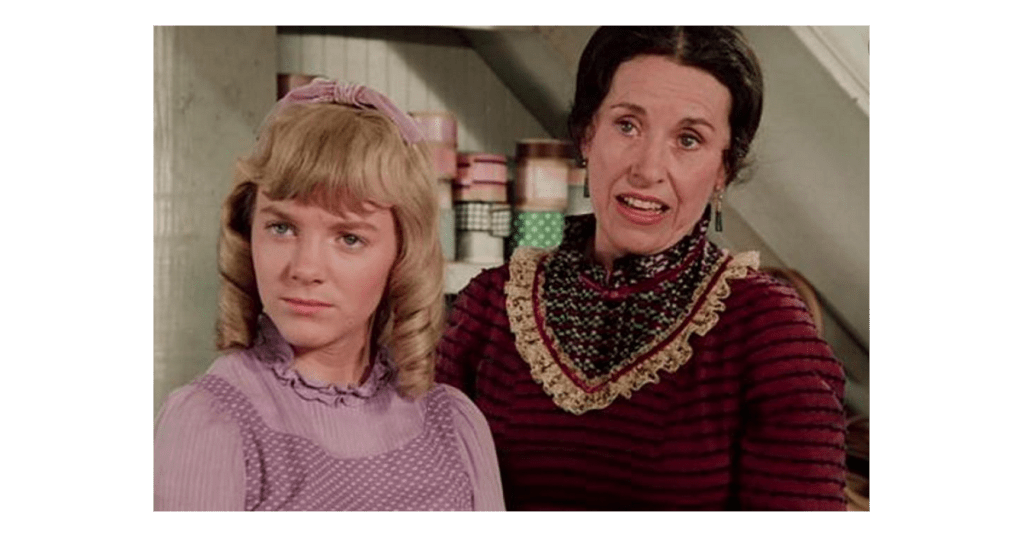
Alison Arngrim as Nellie Oleson with her TV mother, Katherine MacGregor as Harriet Oleson.

In the book, Alison uses the trauma she experienced as a child as a way to frame her memoir.  No, her trauma isn’t exactly what comes to mind with young stars and Hollywood, but sadly, it seems all the more common – and of course, very real.  I’m not going to discuss it here for many reasons; the main one being that, in a way, it is the point of her memoir.  I don’t want to spoil it for those who haven’t read it.  She has used that trauma to try and help prevent others from experiencing the same thing.  In essence, she uses her “inner b*tch” to create real legislative change in an effort to protect kids – all kids.

One of the more interesting tidbits I learned in the book is the history behind why the TV show deviated so much from the books.  Michael Landon supposedly exclaimed at one time:  “My God!  Have you actually read the books?  There are descriptions of churning butter!”  In other words, they had to up the action.  I get it, I do.  What makes a great book doesn’t necessarily make great television.

I suppose that’s what has always bothered me about the TV show.  As an aspiring writer, it sickened me to think what happened to Laura Ingalls Wilder’s original work.  Now, older and wiser, I can see the value of the TV show too.  I am sure it inspired millions of kids to pick up the original books.  All publicity is good publicity, right? For people who grew up with the TV show, I can’t recommend Confessions of a Prairie B*tch enough.  There are so many great aspects to Alison Arngrim’s memoir.  It is a wonderful combination of nostalgia, good story, and humor.  By the way, Alison’s voice impression of Melissa Gilbert is hilarious.  Several other memoirs have been written by the child stars of Little House on the Prairie.  In fact, I plan on reading both of Melissa Gilbert’s books.  I will be surprised if Confessions of a Prairie B*tch doesn’t remain my favorite.

Book Review: The Personal Librarian by Marie Benedict and Victoria Christopher Murray

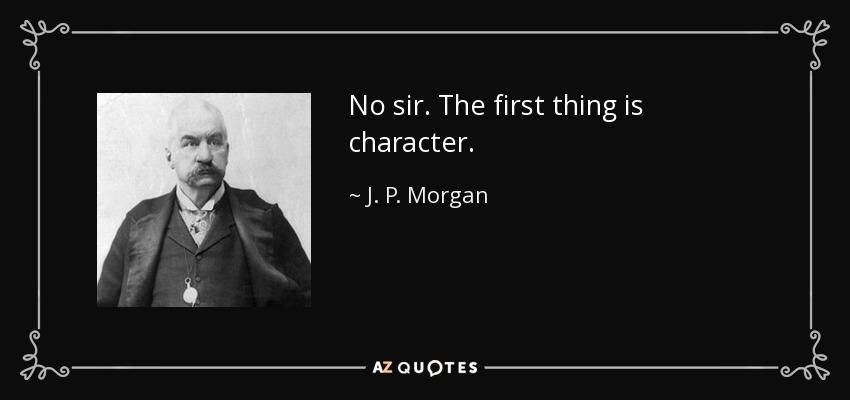
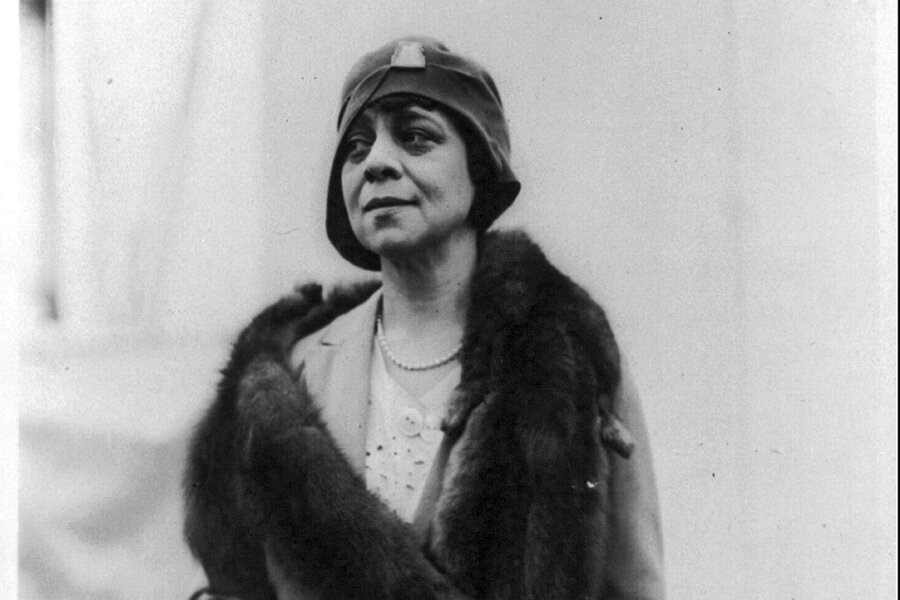
J.P. Morgan’s Personal Librarian Was A Black Woman. This Is Her Story.- Karen Gringsby Bates

The Personal Librarian by Marie Benedict and Victoria Christopher Murray is one of the more memorable books I’ve read lately.  As historical fiction, it hits all of the right notes.  A tribute to its authors – one Caucasian, one African-American – I personally love how race and all the issues surrounding Belle, a mixed woman from a prominent African American family from Washington, DC “passing” as white in the Gilded Age, are treated in the book.  Nothing is held back.

It is clear what Belle “da Costa” Greene is forced to give up as she becomes personal librarian to JP Morgan.  By permanently passing as white, she is forced to sever ties to her extended family in Washington, DC, eventually loses hope of ever marrying or having children, and lives in constant fear of her secret being discovered.  The family decision to “pass” tears it apart.

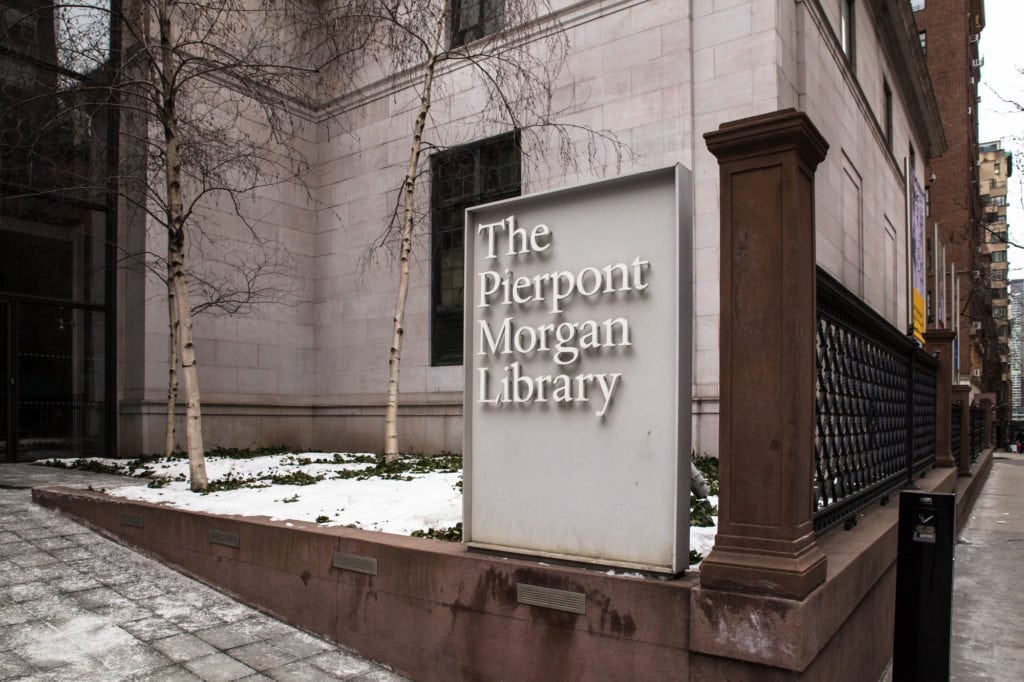
In return, Belle is hired as JP Morgan’s personal librarian.  She secures a financial future not only for herself, but members of her family as well.  She also becomes witness to history.  By becoming JP Morgan’s personal librarian, she enters the rarified world of high-end manuscript and art actions – a realm dominated by men at the time.  Working together for decades, Belle and JP Morgan build one of the finest personal libraries and art collections in the world.  It is her perseverance that eventually helps to open the JP Morgan library to the public.

There are a few things that I adore about this book.  First, Belle is a likable protagonist.  One can’t help but wish her the best.  That said, she is not perfect.  We are treated to all of the tricks and coping mechanisms Belle uses to cause a sensation in a world of men.  We are privy to all of her hopes and dreams, wins and losses.  For me, this is what makes the book.  We all have secrets, and we get to know Belle’s intimately.

Then there is just plain envy.  Can you imagine being charged with securing some of the most rare manuscripts and artwork in the world for JP Morgan, helping him create a first-class institution from the ground up?  That is exactly what Belle accomplished.
I am in awe that Belle is a real historical figure.  Her story deserves to be told in full.  While certain details are fictionalized, The Personal Librarian is rooted in many historical truths.  I cannot recommend it enough, particularly if you are a lover of books and history.

The real Belle. Her true given name was Belle Marion Greener.

2023: The Year Ahead – Music and Books

Over the last several months, I’ve given plenty of thought of where I’d like to take Ramblings of a Misguided Blonde.  For years, I’ve wanted to incorporate my love of music into my writing.  The issue is that quoting song lyrics, even with proper attribution, can be seen as copyright infringement.  Yet, I want to share some of my favorite songs and the memories they represent.

Early childhood and dolls aside, my favorite Christmas and birthday gifts all related to music – everything from my earliest Fisher Price record player and tape player to various albums/tapes/CDs, to my last Sony Discman.  They were all used and abused.  In fact, there were times I had to repurchase CDs due to overuse and sand.  I replaced several Sony Discman due to the same issue.

Enter the mixtape.  See, I am just old enough to remember how fun it was to listen to the radio long after my parents went to bed in order to record my favorite songs.  I’m thinking of creating a category here that will serve as a mix tape of sorts.  On a separate Mixtape page, I will outline and categorize my favorite songs and albums.  Each link to to song or album title will include a passage about that particular song/album, along with links to lyrics and official music videos.  I am beyond excited about this, and I am looking forward to seeing this project take off.  It will take time.

In addition, my reading life has really taken off.  I’ve read so many wonderful books lately.  I’ve been thinking about how to best share it all with you.  I plan to start sharing book reviews again as well.  Stay tuned!  Right now, I am working on how best to do this.  I’ve researched the tools.  Now it is a matter of figuring out what works out best for me – and you, the readers.

Here’s to a productive – and FUN! – 2023!

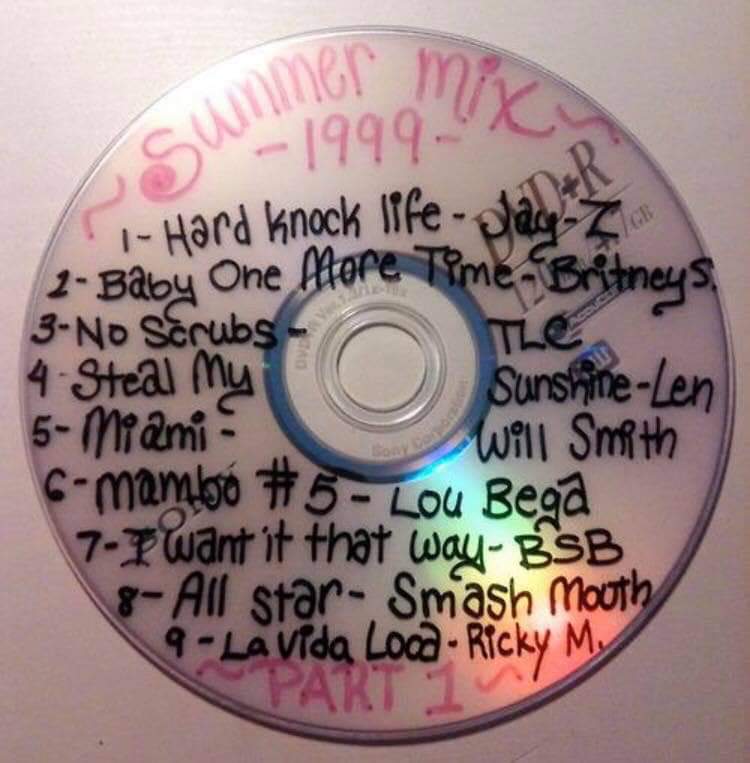
This is quite possibly the most 1999 thing I’ve ever come across.
It immediately takes me back to the summer of 1999. You can listen to it here.

BANNED BOOKS:  Looking for Alaska by John Green

I adore John Green, both as an author and as host of “Crash Course History” videos.  For those who don’t know, he is the best selling author of young adult hits such as The Fault in Our Stars and Looking for Alaska.  Even though I read The Fault in Our Stars well into middle age, it left a deep impression on me.  I discuss the influence in Dear D., Continued – Revisited, quoting the book.

Unfortunately, all is not well with John Green.  Last week I came across the article below discussing how Looking for Alaska is being challenged in his hometown of Orange County, Florida  You can read the article below.

John Green’s First Novel May Be Banned At His Old School

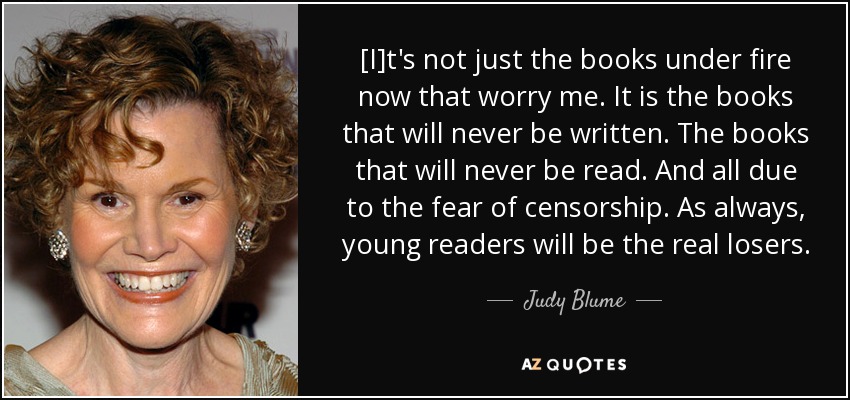
Frankly, this isn’t about John Green or Looking for Alaska; it is all about banning books.  I don’t care what anyone’s personal political views may be, banning books should have no place in the United States of America.  I love that libraries have Banned Book Week and have expanded on the idea.  Some of the best books I have ever read have been challenged over the years.  Personally, I believe that any good library should have something to offend everyone.  Outright banning of books is disgusting to me.

As a teacher, I do have to clarify something though.  Banning books in a library or even a school library is completely different from deciding which books are taught in the classroom.  While I believe that all students should have access to as wide variety of books as possible, parents should be able to have options if they have concerns regarding books their child is reading in the classroom.  However, one parent’s objections should not be forced on to everyone else.  Ideally, a resolution should be agreed upon by the teacher, parent(s), and administration.  Why do we have to make it so complicated?

That is about it:  My little political rant for the week.  I just hope that people come to their senses and realize that it is OK if not everyone views things the same way.  That is the beauty of living in a complex society.  We as a society need to relearn that we don’t have to agree on everything.

Why I Write

Writing 1

Why do I write? I write because I must write. I have a story within me that must be told. There may be other ways to tell that story, but writing fits me – and more importantly, it fits the story I need to tell. I’ve dabbled in many forms of writing over the years, everything from daily throw away articles to blogging to academic papers. I view it all as preparation for writing a larger story.

More than anything, writing allows me to organize all the seemingly random thoughts rambling around my head. I love reading what I wrote years ago as it normally takes me back to a certain time and place. It is a way for me to see just how much I’ve grown over the years, both personally and as a writer.

As a teacher, it saddens me when students tell me they hate to read and write. In my mind, my love of writing grew out of my love of reading. I loved to read as a child – and I still love to read. Reading and writing are so intertwined in my life that it is difficult for me to tell where one begins and the other ends. For example, something I plan to write will inspire me to read a certain book. Other times, a book I pick up because it looks good will inspire me to write. One of my all-time favorite books, Reading Like A Writer by Francine Prose, sums up the symbiotic relationship perfectly. In fact, it changed how I read as a writer in every sense of those words. As long as I have books, paper, and pen, I will never be bored.

Writing, to me, also means a sense of community. I’ve taken writing classes at the local community college, spent years as a member of Mid-Michigan Writers, Inc., and attended workshops and seminars for writers. I have yet to meet one writer who didn’t have something to offer others, whether it be a new critique technique, a new source of writing prompts, or information on various programs for writers. As with teachers, writers are happy to share. We can all learn from one another.

The wonderful thing about writing is that it can be personal or shared, solitary or social, and organized or spontaneous. There is room for all types, and there is no one set of rules that apply to everyone. I love that young and old have access to reading and writing. Unlike many sports, there is no expiration date. There is no real barrier to entry other than basic literacy. I like to think that my writing will just get better with age, like a fine wine. It inspires me that many writers did not find their way until late in life. Above all, there is no stopping a great story.

Let’s face it: Good storytelling isn’t going anywhere, whether that means books, movies, television, or something else entirely. As long as there is hunger for a good story, there will be writers. I am proud to be a part of that tradition.

Writing 2

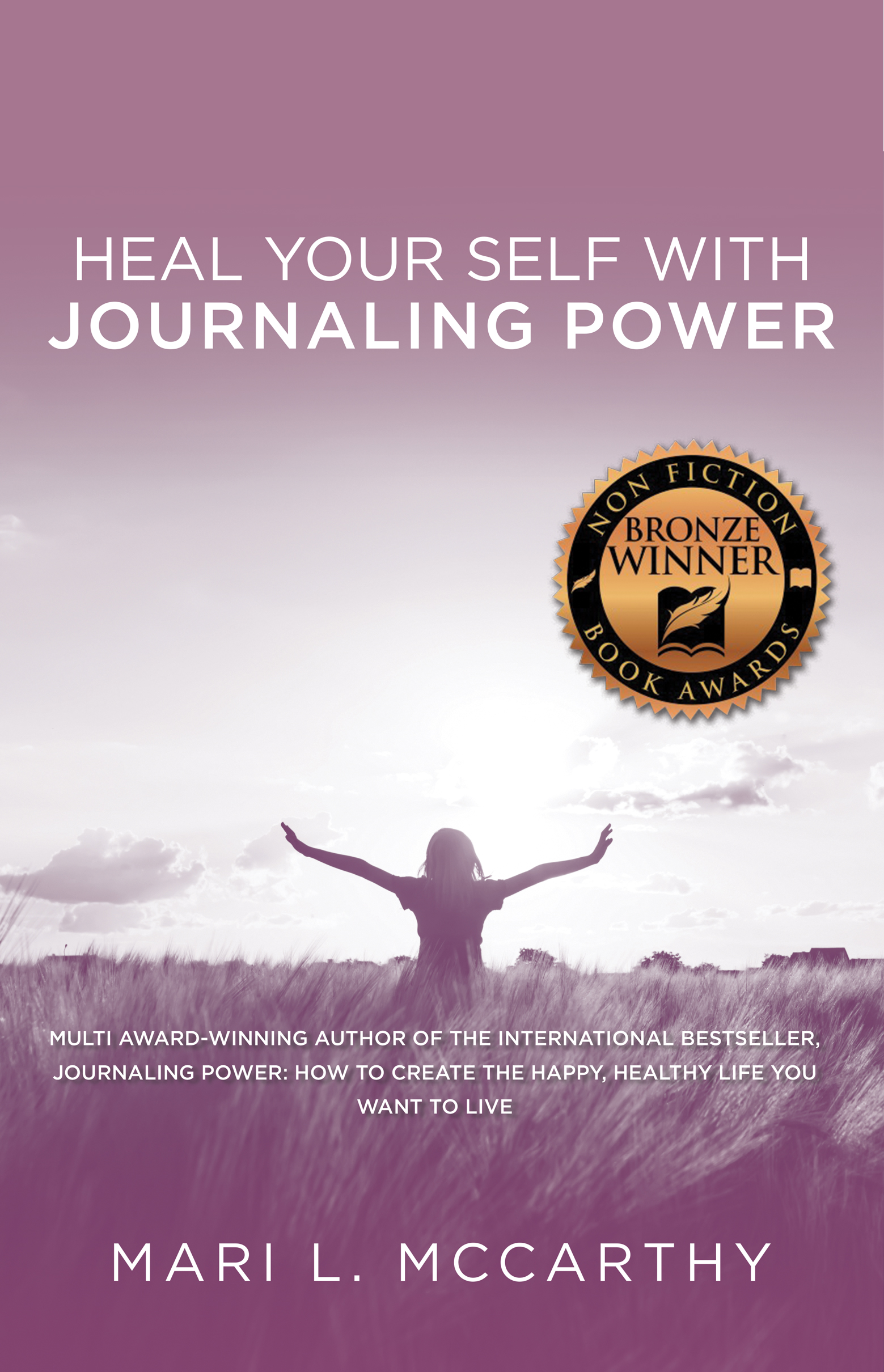
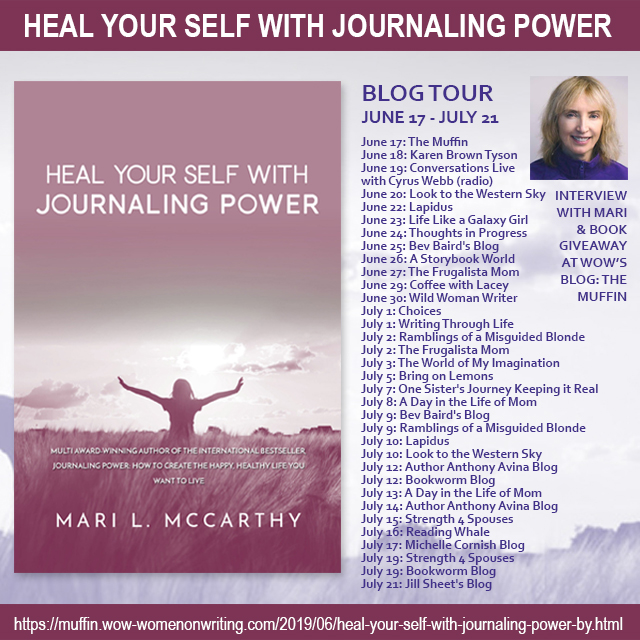
Book Review: Heal Yourself with Journaling Power by Mari L. McCarthy

HYSWJP Bronze.jpg

In Mari L. McCarthy’s latest book Heal Yourself with Journaling Power, she outlines the many personal benefits of starting or continuing to journal.  Heal Yourself with Journaling Power offers writers and non-writers a concise overview of how journaling can be used to help resolve all kinds of personal issues through daily journaling.  The book itself serves as a roadmap and call to action for anyone desiring change or left wanting more out of life.  I expect nothing less from the author/creator behind CreateWriteNow.

Mari begins by describing the true power behind journaling:  daily habit.  It did not surprise me that she begins by mentioning morning pages.  The same concept fuels one of my favorite websites:  750words.  Deceptively simple, the humble act of writing daily drives later change.  Once journaling becomes a daily habit, the real work begins.  However, all true healing through journaling hinges on writing consistently.

In the book, Mari provides readers with an outline on how to use this power to heal their own lives.  She includes different aspects of her personal story and anecdotes of others who have had similar experiences to drive her points home.  In addition, she provides readers with journal prompts in each chapter.  As a result, it can easily be viewed as a textbook by anyone wanting to use journaling to fundamentally change his or her life.  Part memoir, part writing manual, and part self-help book, I would recommend Heal Yourself with Journaling Power to anyone remotely interested in self-improvement, journaling, or writing generally.

In fact, a few simple tools will put anyone on the path to healing through journaling.  Personally, I would recommend using 750words or another online journal to get started journaling daily.  Add in the community and resources over at CreateWriteNow along with a copy of Heal Yourself with Journaling Power to keep motivated and moving forward.  I don’t see the need for much else when it comes to journaling, although different prompts are always fun and often provide insight that moves the process along.

As a writer, I found myself largely agreeing with Mari throughout the book.  While I haven’t experienced some of the more dramatic physical changes she attributes to journaling, I have journaled consistently enough during various stages of my life to attest to its power.  I particularly agree with Mari that journaling provides a clarity that is difficult to find anywhere else.  The clarity that comes from journaling consistently can help writers overcome a myriad of obstacles that may be in their way, no matter what they might be.

While I would recommend Heal Yourself with Journaling Power to any writer, non-writers may benefit from it message to a greater degree.  The techniques outlined in the book can be used by anyone to help identify roadblocks and move forward on any goal, dream, or ambition.  Using the journaling process to help organize one’s thoughts and formulate a plan of action may not be obvious to non-writers.  The power of journaling needs to be experienced to fully understand just how lifechanging it can be.

Stay tuned!  Next week I will be interviewing Mari L. McCarthy.

Banner-HealYourSelfWithJournalingPower-MariMcCarthy-BlogTour.jpg

About the Author, Mari L. McCarthy

Mari L. McCarthy is the Self-Transformation Guide and Founder/Chief Inspiration Officer of CreateWriteNow.com. She is also author of the international-bestselling, award-winning book Journaling Power: How to Create the Happy, Healthy Life You Want to Live.

Mari began journaling to relieve the debilitating effects of multiple sclerosis (MS) over 20 years ago. Through journaling, Mari was able to ditch her prescription drugs and mitigate most of her MS symptoms. Now she teaches people throughout the world how to heal, grow, and transform their lives through the holistic power of therapeutic journaling.

She lives in a gorgeous beachfront home in Boston, where she has the freedom, flexibility, and physical ability to indulge in all her passions, which include singing and recording her own albums.

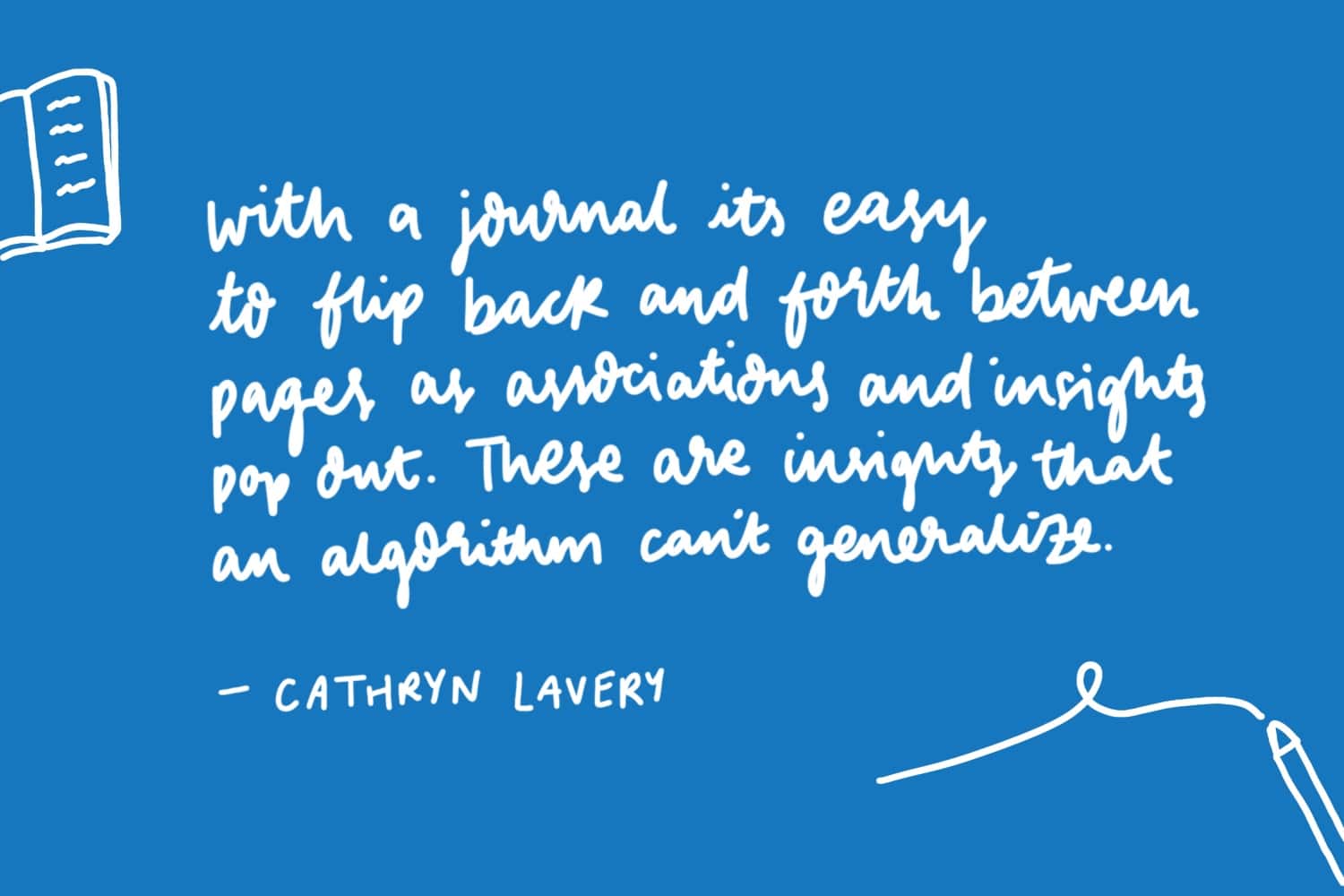
Journaling Quote

Bookish Blog Hop: How does reading inspire your everyday life?

Bookish Blog Hops_ Summer 2019 Hop.png

This may be my first time participating in a Bookish Blog Hop, but I hope it will not be my last.

Today’s discussion question is:

How does reading inspire your everyday life?

What a great – and in my case, loaded – question!  First, I can’t imagine my life without reading and writing.  They are inseparable in my mind, and I would not be writing – not even here at Ramblings of a Misguided Blonde – if it were not for reading.  As a child, I fell in love with Anne of Green Gables and all the Little House books, and of course, Nancy Drew – along with so many others.  While I did largely stop reading for pleasure during my college years, as I began to explore my love of writing, I found my love of reading again.  It informs my writing to the point where I can’t tell you where one begins and the other ends.  Once I read Reading Like a Writer by Francine Prose, there was not looking back.  I still consider it one of the most influential books I have ever read.  Every day reading offers me hope, inspiration, and an education.  It is as simple and as complicated as that.

bbh-views-she-writes-1-.png

Views She Writes https://viewsshewrites.wordpress.com

Reading is the soul of my existence, the breath in my life. Reading inspires me to live, to dream and to observe the surroundings as our surroundings are the greatest story tellers. I started writing because of these teachings from the books that surround me. I hope to read till my last breath of life.

BBH Leslie Conzatti 2.jpg

Leslie Conzatti www.upstreamwriter.blogspot.com

Ha! I recently wrote a whole blog post on how certain books have played a part in my worldview philosophy!

In short, reading has inspired my everyday life because while on the surface the characters face impossible odds and fantastical situations–deep down, all these exaggerations are just hyperboles of real-world choices we all face. Through reading, I can find a character who struggles with a lot of the same things I do, and I can see a new perspective on it, a fresh way to deal with the issue that I hadn’t considered before. The good books connect me closer to my real-world life, instead of dragging me further away. It’s like that quote I shared yesterday, from Ray Bradbury’s Fahrenheit 451: “Good writers touch life often.” In order to make good literature, you have to be grounded in the real world, and bring some of that real world into the writing you do. Only then will it make an impact that will last for generations!

Rush Tree Clouds Bank Old Birds Landscape Book

Rush Tree Clouds Bank Old Birds Landscape Book

Brandy Potter www.brandypotterbooks.com

The best way I can sum up how reading inspires my life is this quote from Stephen King “Books are a uniquely portable magic.”  I have read fiction almost every day of my life. A good book can take you to a place where your mind stops and you become another person. As George R.R. Martin said, you can live a thousand lives through books. When you are troubled or stressed or depressed a good book can lift you up.

BBH kim writer side of life 4

Kim J www.writersideoflife.com

I love how we all read completely different things but, when it comes to how passionate we are about reading, it is exactly the same for all of us. I could have written any one of the above answers!

I simply can’t understand how people can not read. It is a stress release, it helps me get to sleep (as long as it’s not at the exciting part). Reading helps to understand ourselves; why we think the way we do, what others may think about us, what other scenarios may happen. Also, on a more practical note, reading about different times and places sparked my love of travel and pushed me to start writing myself.

BBH Cats Luv Coffee 5Valerie, Cats Luv Coffee www.catsluvcoffeez.blogspot.com

I just read an article that reading fiction makes people more compassionate and increases their empathy. It states that we read, we emphasize with the characters. “Without necessarily even noticing, we imagine what it’s like to be them and compare their reactions to situations with how we responded in the past, or imagine we might in the future.” (Read the full article here) It’s an interesting take and one I think rings true. People who read often immerse themselves totally in the story. We do this over and over with each character that we experience. It’s part of what I love about fiction; that it takes me outside of myself and what might be happening in my life.


Jo Linsdell www.JoLinsdell.com

I’ve discovered a lot about myself through reading. Books are a part of my journey to self discovery. Whether I’m reading a romance or a thriller about a serial killer, I always discover something new about myself and how I view the world. Reading shows me my own morals, and helps me get a clearer idea of how I think and feel about certain topics.

BBH ABLA logo 7

Becki  A Book Lover’s Adventures

I find that books give so much and all they ask in return is a little of our time. For me, I think I have become a better person because of reading. Reading makes me more empathetic towards others because I’ve read about so many different life situations. I am more creative and imaginative when I read fantasy. I tend to be more adventurous and take more risks when I read about adventure and bravery. Books are part of the tapestry that makes up who I am!

Books 2

That is it for today’s Bookish Blog Hop, but be sure to check out yesterday’s offering at Lovely Audio Books.  Eline hosts a discussion on favorite book quotes!  You can find it here.  Also, stay tuned tomorrow for the next stop at Views She Writes where the topic of the day will be the worst film adaptations of books!

A BOOKISH BLOG HOP


Book Club

Book Stacks.jpg

Read It Forward – 13 Reasons Why Book Clubs Are Saving the World

What is it about a book club that makes it so irresistible? Personally, I believe it is the structured discussion of a set topic. It is nice, neat, orderly; we all know exactly what to expect. And yet, we don’t. Book club discussions often lead to interesting places. I’ve formally been a member of a book for the last five years. During that time, I’ve read books I never would have picked up otherwise and had discussions I never dreamed I would have all thanks to book club.

The Standish-Sterling Book Club, however, is not my first. I like to think that Grandma Buttrick and I had our own little book club of two for a few years. Every time I visited, usually weekly, she never failed to ask me what I was reading. I loved sitting with her in the den, cold drinks in hand, talking books. I clearly remember both of us reading Malcolm Gladwell’s books and discussing them at length. Even when poor eyesight and memory issues made reading difficult for her, she still loved to talk books. I wouldn’t leave until I told her about the latest book I read.

When Grandma passed away in 2014, I saw it as no coincidence that I soon discovered the Standish-Sterling Book Club. The fact that they were discussing The Fault in Our Stars at the time captured my imagination. I’d read it as well, and due to the loss of an old childhood friend, that book will stay with me for the rest of my life. I wrote about the connection here and even quoted part of the book. On some level, I like to think that Grandma knows all about book club and that our family still shares books.

Regardless, book club will always be a part of my life, even if one day I must start one myself. I get too much out of it – as a reader, a writer, and a human being. This article nails it when it comes to the importance of book clubs and their resurgence. I hope the trend continues. I don’t see myself giving up book club any time soon. I enjoy it far too much.

As a teacher, I wish I could impart my love of books on all students. I truly believe that everyone can learn to love reading. Those who supposedly hate reading just haven’t found the right books yet – or they equate reading with reading in school. In school, students often have little or no choice as to reading material – although that is changing for the better and one of many reasons why I love Donnalyn Miller’s work. You can find more information on her work here. She stresses how important it is for teachers to help students discover good books and learn how to make solid reading choices on their own. I hope one day book clubs – and more importantly, the love of reading – will become so pervasive that students will want to create their own. There is so much to be gained through reading and too many good books to allow a hatred of reading to grow.

The Fault in Our Stars