
I was simply born in the wrong era.
I was simply born in the wrong era.

Not The End, The Beginning – Part 1
When I went back to school in January 2014, just over 10 years ago, I admit, the idea of being an older student intimidated me, especially online courses. When I graduated from Michigan State University (MSU) in 2004, online courses were not nearly as developed as they are now. Due to a combination of landing a full-time position in Houston, Texas within a week of graduation, moving across the country, my stubbornness, and adjusting to working in corporate America full-time, my first experience with online classes did not go well. That early negative experience stayed with me. Fortunately, I adapted.
During the academic year, I planned to attend class and work on coursework two to three days a week while substitute teaching as much as possible. To add insult to injury, I didn’t just take classes at Saginaw Valley State University (SVSU). No, I decided to enroll at Delta College too.
There were two reasons why I enrolled at Delta. First, realistically, I could save money when compared to SVSU. Second, I decided to complete a writing certificate while working towards my teaching certificate. In the end, I had a wonderful experience at Delta College. My history and writing classes, all taken at Delta, are among my most treasured.
My decision to complete the general writing program at Delta College stemmed from my involvement with Mid-Michigan Writers. I attended their Gateway to Writing workshop in the fall of 2013. That day, I happened to hear a group of Jeff Vande Zande’s students talking about how much they enjoyed his class and the wonderful writing program at Delta. Vande Zande, who happened to be the keynote speaker that day, taught a screenwriting class at the time. A few years later, his screenwriting class changed the way I look at movies forever.
At SVSU, I had to decide which secondary endorsements I planned to pursue. In addition to Spanish, I had to choose between social studies and English. Social studies won. In 2019, I started a new position as a middle school teacher at St. Michael School and began taking classes to earn my English endorsement. As with so many things in my life, I didn’t want to have to decide between two great options, so I didn’t. I did both. In spite of a pandemic, scheduling conflicts, and other considerations, I finally completed my English endorsement in May 2023.
In the end, I resigned my position in order to finally complete my English endorsement. As incredible as it seems, SVSU, even in the aftermath of a global pandemic, offered no online or evening options for the two classes I still needed. It wasn’t the only reason I left St. Mike’s, but I knew if I didn’t, I’d never be able to finish. It ended up being for the best.
Sadly, that summer, approximately a month after I resigned, the assistant principal at St. Mike’s – and so, so much more – passed away. It is safe to say that my life would be very different without Norma Vallad. I certainly would not have landed at St. Mike’s without her involvement. So much of our school culture revolved around her down to every last detail. I still can’t imagine St. Mike’s without her. Fortunately, I didn’t have to face that prospect in the fall.
By the time I finished my English endorsement last May, I felt such a deep sense of closure. After all these years, no more educational pursuits to chase – unless, of course, someone would like to pay for a masters degree or PhD. As far as I am concerned, I have nothing left to prove.
Teaching left me conflicted. On one hand, I had come way too far to give up on teaching. Yet, my first full year of teaching coincided with the Covid 19 pandemic. I saw first hand how the pandemic affected teachers, students, parents, administrators, and everyone else. The apathy I saw and experienced still haunts me. As I reconsidered my role and future in education, little did I know that the best was yet to come.
Stay tuned for Part 3 …
I started this journey just over 10 years ago, and with all of the setbacks and triumphs along the way, every last step led to where I am now: Exactly where I belong. Actually, it started earlier than that. It all started with a conversation.
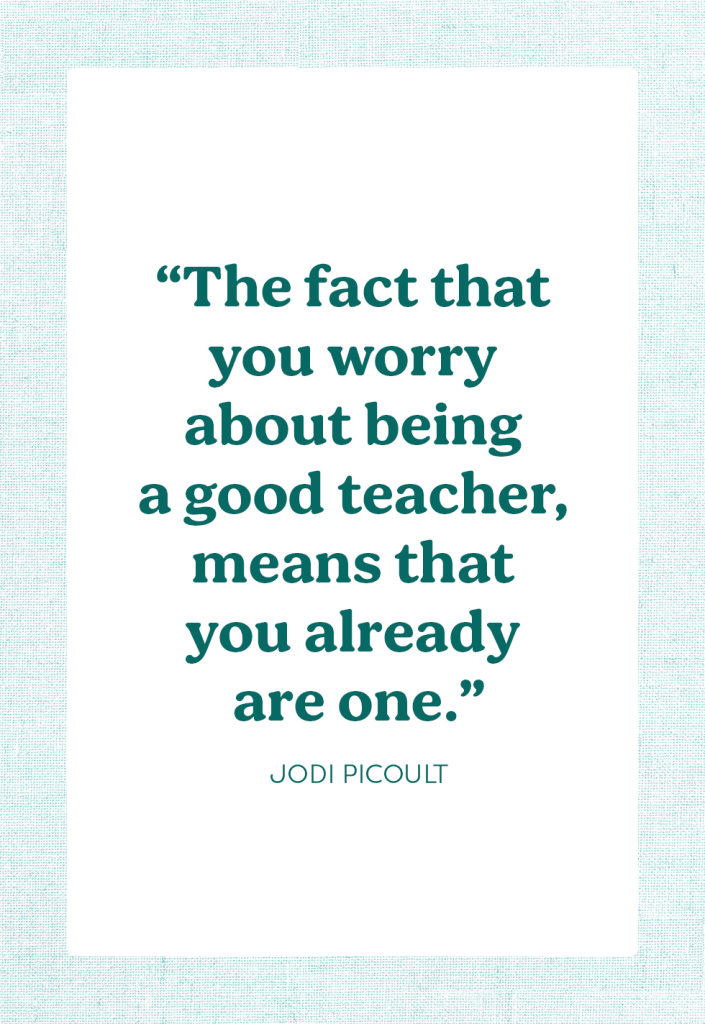
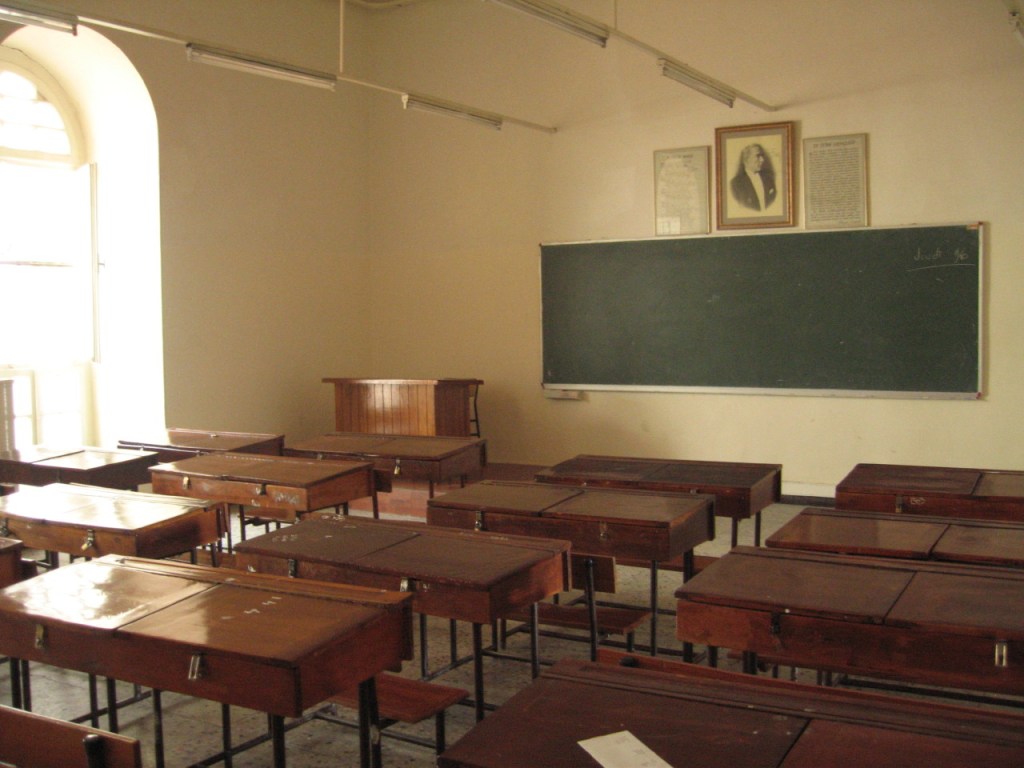
On an average evening well over a decade ago, I found myself deep in a conversation with my ex’s mom that changed my perspective, and my life, for the better. As she was making dinner, she brought up the fact that she wished she’d gone back to school to become a nurse. All I could think at the time is that I would do everything in my power to prevent having such a regret later on in life. Somewhere along the line, as I drove by Saginaw Valley State University’s beautiful campus, it hit me: As much as I wanted to deny it, I am a teacher.
In fact, that fact became a bone of contention. When my ex, our relationship already in shambles, found out that I planned to go back to school to become a teacher, he knew exactly which buttons to push, exactly the wrong thing to say. He felt that I wanted to become a teacher simply because my mom and sister are teachers. He had it exactly wrong. I wanted to become a teacher in spite of that fact. I knew intimately the challenges teachers face and have faced for decades. I know how little respect teachers get within our society. I grew up hearing how ineffective teacher preparation programs were and can be. I know how the sausage is made, and yet, I still wanted to be a teacher.
Above all, I am not my mother or my sister. My interest in education is not the same as theirs. Both were meant to be elementary school teachers. Me? Never! I adore young children, but I much prefer to work with teenagers, particularly older teenagers getting ready for the next step in their lives. My mom fell into the profession, and fortunately for her, it suited her well and worked out. Even though she’s been retired for well over a decade, I know what a wonderful teaching legacy she leaves behind. In fact, I am proud to be a part of it. I landed in her 6th grade social studies class.
My sister Erica, on the other hand, knew that she wanted to be a teacher her entire life. We’d play school frequently. With my love of books, I’d be the school librarian. Erica would be the teacher, of course, while our much younger brother Garrett would be the one and only student. Erica may still have some of those early report cards that she made for Garrett.
It is certainly true that teaching is in my blood. My sister and I come from a long line of teachers on our mother’s side going back at least five generations. As interesting as that is, it doesn’t stop there. Both of my mom’s grandmothers taught. My mom’s older sister Tara taught for her entire career. Grandma B. earned her teaching certificate, even though she never taught, choosing instead to stay home and raise her five daughters. Her younger sister, Joyce, taught for decades in the earliest grades. I could go on.
My dad’s family valued education as well. Both my dad and his sister married teachers. He has several cousins who work (and worked) in agricultural education and special education in various capacities. Even though my paternal grandparents never had the opportunity to pursue college educations, they encouraged their children to do so. In fact, my grandma valued her education so much that her school memories were some of the last to go in the face of dementia. Stories I will never forget. In fact, I doubt I would have had the opportunity to go back to school to earn my teaching certificate without Grandma Reid’s influence.
So, why did I go back to school to earn my teaching certificate? It is quite simple. I knew that if I didn’t, I would regret it for the rest of my life. My life would be unfulfilled. It has not been an easy journey, to say the least, but I am now exactly where I am supposed to be. Stay turned. This is just the beginning.

It never seems to fail. Come the first week in December, I get overwhelmed with everything that needs to get done before Christmas – decorating, shopping, cards, planning, and so much more. As a teacher, that doesn’t even include everything that needs to be wrapped up before winter break. December, and Christmas in particular, are such a whirlwind of emotion and activity. Don’t get me wrong, I love Christmas. In fact, I adore it. My December 18th birthday just adds to it all. The reality that I am another year older doesn’t always help. I am old enough to miss several people who are no longer with us, particularly my grandparents, all of whom loom large in my Christmas childhood memories. Somewhere in the first week of December, I hit a wall, and frankly, I don’t want Christmas to come at all. Yet, it always does, and somehow, everything gets done on time. New memories are made. I just wish that it wasn’t such a messy process.
As with anything else in my life, I have to get over my idea of “perfection.” Who cares if I decorate later? I am decorating just for myself. Who cares if I leave up my Christmas a little longer? I still want to enjoy it once the craziness is over. It is time to move on and continue not caring what others think. It will all work out in the end. I will get plenty of time to spend with family and friends over break, and maybe even a chance to rest.

What is it about the Christmases of our childhood that bring back such vivid memories that we long to recreate? The thing is, it is in my blood. My mom adores Christmas. When mom and dad were newlyweds, she started playing Christmas music in October. After spending nearly a week in the hospital after I was born (yes, I am that old, and my mom was sick when I was born), my parents brought me “home” on Christmas Eve. In fact, they didn’t take me home. They took me directly to Grandma Buttrick’s for the Christmas Eve festivities. I don’t believe we arrived home until the next day.
I often wonder what that Christmas Eve 1980 at Grandma and Grandpa Buttrick’s was like. The only evidence I have that I was there are pictures of my parents holding me as I was decked out as Santa in a Christmas sleeper with a Santa beard bib. I wasn’t even the only one celebrating her first Christmas. My cousin Abby would turn one year old a few months later. It is fitting that we shared a first Christmas, just as we shared so many other childhood memories and fears. Christmas would not be the same without cousins.
As if two babies at Christmas wasn’t enough, 1980 represented the first Christmas in Standish. Earlier that year, Great, my great grandma, moved from Marshall, Michigan to Standish in order to be closer to her sons, grandchildren, and great-grandchildren. I grew up hearing about all of the epic Christmases in Marshall at Great’s house. My mom and her sisters still marvel at how their mother packed everything for Christmas for five girls and then hauled it all across half the state. I imagine I get the same look in my eyes when I talk about Christmas Eve at Grandma Buttrick’s – or our entire itinerary – that my mom and her sisters get when they talk about Christmas in Marshall.
I can envision a time when my nieces and nephews will reminisce about the Christmases in Omer at Grandma Lala’s and Papa Chocolate Mik’s house, the house in which I grew up. I love to see how much they enjoy spending time together, even if it is absolute chaos. I just hope that I help to create a little bit of Christmas magic for them all.

A journal full of blogging topics and ideas and here I am at a loss as to what to write. Nothing feels right – and it hasn’t for months. That in and of itself is the reason for the silence. It needs to end.
A few months ago, I joined an active Facebook group focused on Xennials, those of us born between 1977 and 1983. I am smackdab in the middle, and I definitely belong to that micro generation. I mention it because there is one recurring theme in this particular group that resonates deeply with me at this point in my life: When did we become the adults? I imagine that particular thought crosses everyone’s mind once they hit 40. Frankly, it sucks.
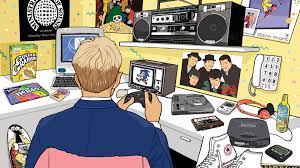
On a brighter note, I’ve really enjoyed the Xennial Facebook group. After working with teeneagers day in, day out, it is nice to chat online with a crazy group of people who actually get your cultural references. It is reassurance that it isn’t just you, the world is incredibly different from the one in which you grew up. That brings me to tech.
As I’ve been working from home as a long-term online substitute teacher over the last few months, I rediscovered my love of tech. At one time, I thought that I would have a corporate career in the semiconductor industry. I interned at IBM and completed a co-op position with Applied Materials as an undergrad. Applied Materials, a leading manufacturer of capital equipment for the semiconductor industry, still fascinates me. It wasn’t meant to be; however, tech still runs deep in my soul.
Of course, as Xennials, one thing that completely separates us from Gen X and Millennials – we are both and neither – is technology. Gen X learned most modern technology as adults, while Millennials are digital natives. Xennials grew up right along with tech and adapted as we grew. We had an analog childhood (praise God!) and a digital adulthood. That is what makes us unique, and frankly, it is at least in part why I feel our experiences need to be preserved.
No one else experienced the growth of tech quite like Xennials. Our parents, mainly Boomers, turned to us as their personal tech support. We could program VCRs, set up gaming system and computers, and recommend a good cell phone without batting an eye. Growing up, my sister and I were the first to navigate the internet in our household, not our parents. I could feel just as at home on an old Apple II as with a 2023 Acer with the latest 2 TB solid state AMD harddrive. By some accident of history, I witnessed unprecedented changes in technology that have fundamentally changed the way we live, work, and play. Eerily, I believe it is just getting started. AI is next.
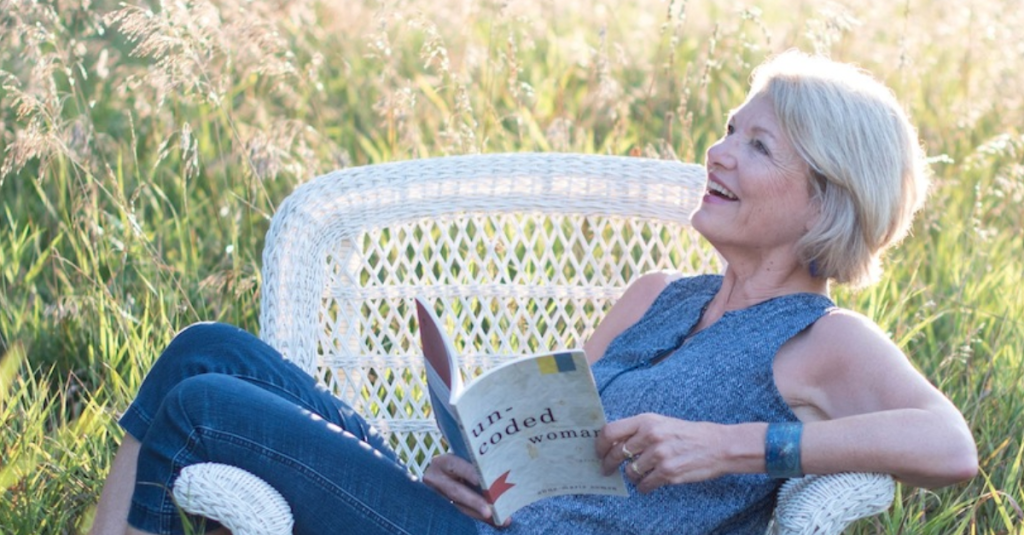
I am ashamed to admit it, but I have yet to fully read one of Anne-Marie Oomen’s memoirs or books of poetry, even though I own two of her books (signed) and have attended a couple of her writing sessions (one for teachers and other, this past spring, open to the general public), as well as a reading from her latest book, As Long As I Know You: The Mom Book. I’ve only read and heard snippets of her work … so far.
What I’ve read and heard thus far is wonderful, and knowing the topics/subjects/genre included in many of her books, I know that I will love them. How could I not purchase a book titled Love, Sex, and 4-H? Then there is As Long As I Know You: The Mom Book. I can’t wait to read it. The passages that she read during her author event, along with the anecdotes she shared about herself, her mom, and writing the book, definitely left me hooked.
What I really want to discuss today is her capacity as a teacher. Just over a month prior to the shutdown orders signaling the official start of the pandemic, I had the opportunity to attend a day-long writing program aimed at teachers. Titled “Homecoming: Coming Home,” it was sponsored by the Saginaw Bay Writing Project. Anne-Marie Oomen happened to be one of the presenters that morning.
During her allotted time, she taught us the term ekphrasis – a method of using different works of art to create various forms of writing, whether poetry, personal essay, or short story. Imagine studying a painting and then creating a poem from your experience. That is ekphrasis.
After explaining the process and providing us with examples of her own work, Anne-Marie Oomen had us create our own art inspired piece. She brought with her a large collection of postcards. I chose one with a portrait of Annie Oakley on the front, “little sure-shot.” I enjoyed the experience and still have a digital copy of her presentation from that day. I left realizing that I could easily create vision boards on Pinterest to gather my thoughts and ideas for various writing projects.
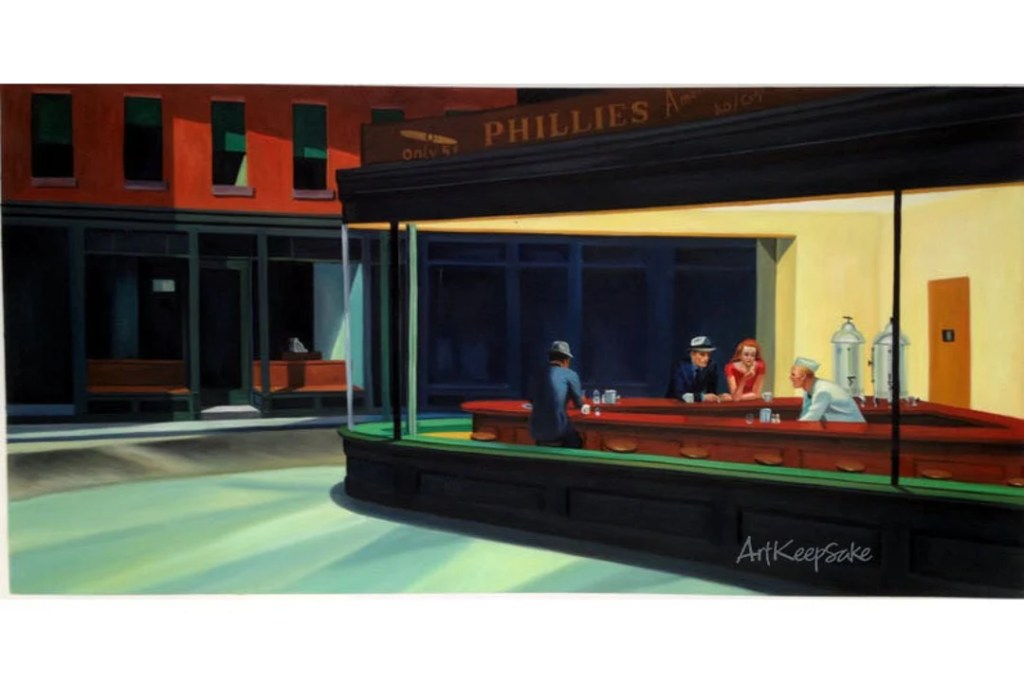
As wonderful as that experience was, a few months ago I learned that Anne-Marie Oomen was to be a guest scholar at Saginaw Valley State University. During that time, she conducted a similar writing session open to the general public at the Marshall Fredericks Museum on SVSU’s campus. I am so glad that I attended. It made me look at one of my favorite museums in an entirely different light. I left with a notebook full of ideas and even a rough draft. The following evening, Anne-Marie Oomen held a reading at the Wirt Public Library in Bay City, sharing snippets from As Long As I Know You: The Mom Book. I’m so glad that I attended as it brought back so many memories of the short few months I had living with Grandma Reid before she needed more care than I could provide. It is never easy watching someone you love age and decline.
I took something away from each of Anne-Marie Oomen’s events. On top of sharing her love and knowledge of writing, she is a wonderful teacher. Better yet … she is a Michigan author willing to help aspiring writers and teachers.


“All Things Must Pass” is a documentary that covers the rise and fall of Tower Records during the second half of the 20th century and the first few years of the 21st. What I love about the documentary is the fact that I experienced a lot of changes that took place in the record industry, particularly in the record stores, during those years. As a businesswoman, I loved the discussion surrounding the birth and death of Tower Records’ business model. At the end of the documentary, I left thinking what a great case study it would make.
I can just imagine the beginnings. Supposedly Tower Records started as Tower Drugs. After World War II, leading into the 1950s, Tower Drugs began carrying 45s in an effort to tempt their teenage customers hanging out at the soda fountain. As the granddaughter and great-granddaughter of entrepreneurs who owned a pharmacy in Marshall, Michigan during this same time period, I can picture it.
In fact, my maternal grandparents met at Peck’s Drugstore in Marshall. My grandfather’s parents were partners in the business, and at the time, before graduating from high school and enlisting in the US Navy during World War II, Grandpa worked there as a soda jerk. Grandma, who attended then nearby Marshall High School, loved their lemon Cokes. I’ve visited Marshall and located the corner where Peck Drugs once stood. Marshall Junior High School, once Marshall High School, is located right across the street. Even though my grandparents were gone by that time, I could easily envision the circumstances under which they met.
This burgeoning teenage culture in the 40s and 50s led to rock and roll and the astronomical growth of the record industry from the 40s through the end of the century. I happen to be just old enough to have witnessed the heights of the 1980s, the changes experienced all throughout the 1990s, and the chaos that followed in the first decade of the 21st century.
I lived it. Madonna and Michael Jackson’s reign as Queen and King of pop were a huge part of my childhood, as were Tina Turner, Whitney Houston, Cyndi Lauper, Wilson Phillips, Paula Abdoul, and so many others. As grunge exploded in the 1990s, the music industry fractured in the wake of Kurt Cobain’s death and the advent of the internet. The music industry wasn’t nearly as tightly controlled as it once was and formats were changing yet again.
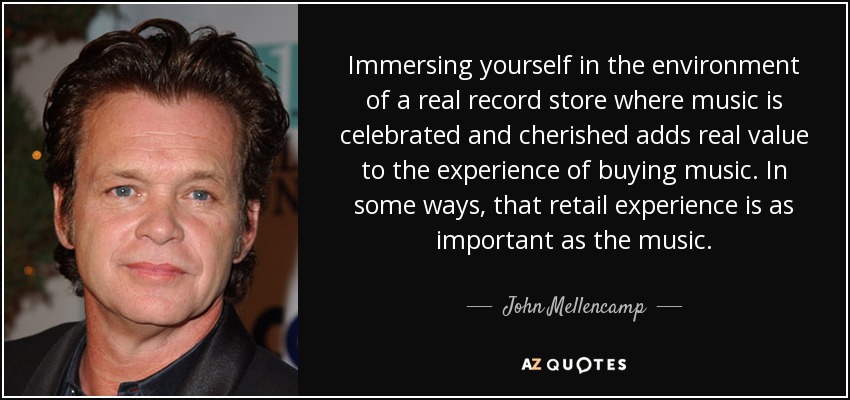
As a teenager, I understood the frustration. During the early part of my childhood, vinyl and cassette tapes dominated. Before long, CDs took over. WIth each new format, some felt the need to repurchase their music collection yet again. However, by the late 90s, people had had enough. During that time, I remember the anger that the equivalent of the 45 didn’t really exist in the CD format. You might be able to purchase singles, but they were never the hit songs. In essence, the record industry reached a point where they were pricing teenagers out of the market. Full CD albums during that time period usually ranged from $15-$20, depending on the artist and popularity. Today, I spend $8.99 a month for Amazon Music, which includes electronic access to whatever is available via Amazon Music – i.e. pretty much anything and everything.
The sad thing is that rural teenagers in the 90s, like me, mostly had access to the big box music retailers of the time, such as the behemoth Tower Records – or the CD clubs of the era, Columbia House and BMG Music. Oh, how I wished there were used record stores near me! When I arrived on campus at Michigan State in 1999, my friends and I made regular visits to The Wazoo, a mom and pop used record/CD store run by an old hippie who truly loved music, or WhereHouse Records, another great used music store. We could get an entire pile of albums for the price of one new release.
This atmosphere and the business model became a recipe for disaster. Enter the file sharing frenzy that took place in the early aughts. Napster and Limewire were king at this time. Why purchase music at all when you could download your favorite songs for free from a friend of a friend of a friend? While it wasn’t that simple – mislabeling ran rampant and download times could be excessive – it worked well enough. If anyone had actually been prosecuted for downloading music illegally, our judicial justice system would have quickly collapsed. Colleges, universities, and even many high schools would have been empty with students rotting in jail instead of receiving an education. That may be hyperbole, but not by much.
In the end, it could not last. Businesses such as Tower Records, so heavily dependent upon real estate and inventory, could not survive once people refused to repurchase their music collection yet again, pay full price for CD albums with only a handful of well-known songs (if lucky), downloaded whatever pirated music they wished via Napster and LimeWire. The electronic music market, now dominated by Amazon and Spotify, had not yet come into its own. Today, Tower Records lives on in Japan, a testament to its homegrown slogan – “No Music. No Life.”
“All Things Must Pass” is entertaining if you are interested in music and the history of the music business at all. It brought back a lot of memories for me, and frankly, I feel for teens today who do not have the experience of spending time in stores dedicated solely to music. Creating a Spotify or Amazon Music playlist just isn’t the same. The title “All Things Must Pass” comes from the sign a former Tower Records employee put on their sign as their original store was closing. “All Things Must Pass … Thanks Sacramento.” It is, of course, also the name of George Harrison’s triple solo album and hit, “All Things Must Pass.”

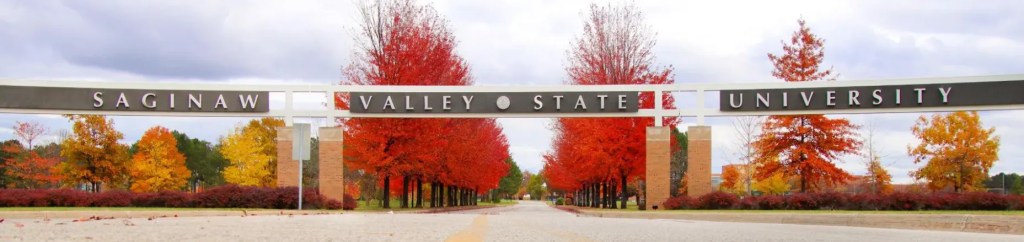
Well, how can I fully explain last week? Last Thursday, I took my last final exam ever – unless, of course, someone wants to pay for a graduate degree program or PhD. Frankly, it is amazing. I attended Michigan State from 1999-2004 – and then Delta College and Saginaw Valley State University to obtain my teaching certificate (2014-2016). When I started my teaching career, I almost immediately decided that I wanted to add an English endorsement to my social studies and Spanish secondary endorsements. Back to school I went from 2019, class by class and in the middle of a pandemic, until last week. I am done. Now that my grade is finalized, I will finally be able to add the English endorsement (secondary) to my teaching certificate. In fact, I already applied to have it added.
So, what’s next? Well, after this summer, I am not entirely sure. We will see where things take me come fall. I have several ideas. For now, I am in the midst of getting the canoe livery ready for the summer. Starting May 15th, I will be working there full-time once again. I’ve actually been taking reservations at home all winter. People are eager to get out on the river! As I say so many times, we have the best customers. I love thinking about how many memories have been made at our campgrounds and on the RIfle River over the decades.
RIght now, I couldn’t be in a better place. I wrapped up so many loose ends over the last academic year and did exactly what I set out to do. I have so many great options in front of me. I finally feel ready to move on. Stay tuned!
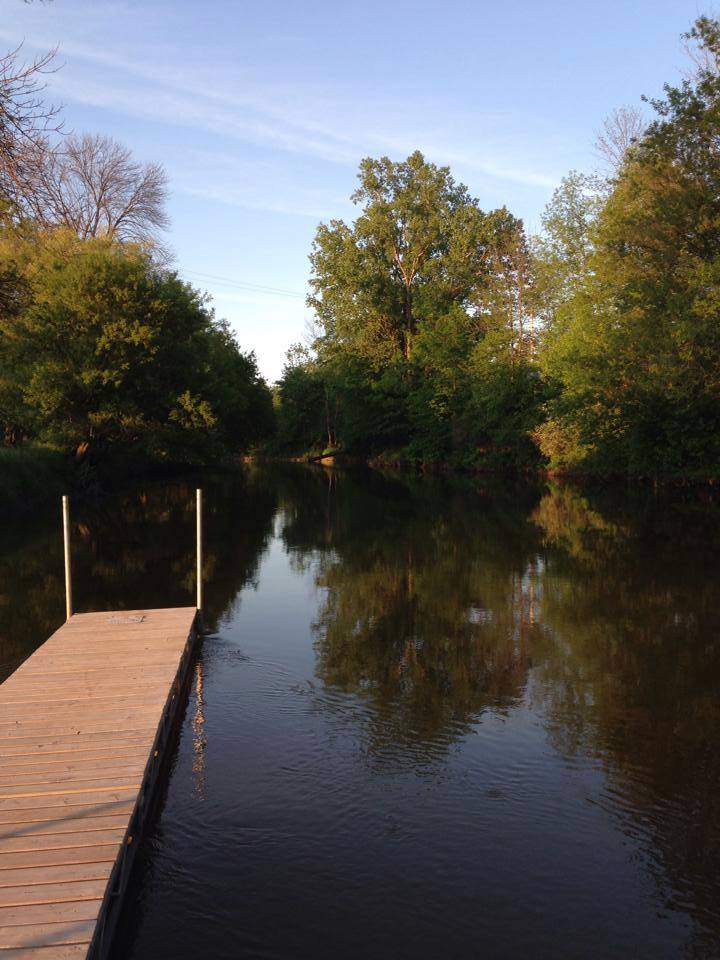

WordPress, which I love, has a new feature that provides a writing prompt each day. One that caught my attention was “what makes someone unique?” The idea of individuality – ie uniqueness – gets right at the heart of what it means to be human. Sadly, there are times when our individuality sets us apart from the rest of society due to no fault of our own.
When do we learn in elementary school that the “other” is not OK? I’d love to think that things have changed since I was bullied in early elementary school due to my appearance, mostly height and weight, but I’m not that naive. I’ve watched in recent years as various school districts have tried to address the root of bullying with varying degrees of success. Unfortunately, it all starts at home. Children need to learn from a young age that we are all different. We all have different talents and ambitions, as well as strengths and weaknesses. All of us – all eight billion people on Earth – face challenges at different stages in life.
There are certain things that a person may experience in life that no one will fully understand unless they have been through it – or something similar. For example, unless you have lost a parent or a child, it is impossible to truly understand that level of grief. It is similar when dealing with infertility. Unless you are affected, it is impossible to imagine the depth to which it alters one’s life.
Aside from all that sets us apart from one another, including our challenges, there are interests. My interests are vastly different from that of my siblings or parents. I’m used to it, and over the years, I’ve developed those interests through various opportunities and friendships, both in real life and online.
If I had one wish for students today, it would be for them to have all the resources necessary to first find their interests and then have the ability and support to pursue them further. How many people have stopped doing something they enjoy simply because someone discouraged them, saying they had no talent? I see and hear about it all of the time. It saddens and sickens me. We should be encouraging healthy interests, as well as providing students outlets to develop them. For example, a student who enjoys art should be encouraged to pursue that interest as much as possible, even if there is no interest in making art a career.It comes down to expectations. At times, we focus so much on making ends meet that we need to make a life. We need to teach students that there is so much more to life than material things. It is more than OK to be yourself. You need to be your authentic self.

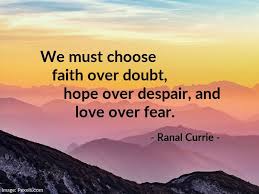
Below are my thoughts after one year teaching through the pandemic. As a writing exercise, we were asked as teachers what we had learned through the experience. In my opinion, two years later, it sill holds up and summarizes nicely how I felt and continue to feel. Originally published on the Saginaw Bay Writing Project (SBWP) website, you can find a link to the original piece below. I’ve only corrected minor errors here.
What did I learn about myself as a teacher over the past year? First, I clearly understood just how fragile our everyday lives are – students, teachers, and administrators alike. Most people seem to have underestimated the power of their daily routine, their “normal.” I certainly did. Second, I learned just how much I continue to not know. I am still learning how to teach effectively online. Finally, I learned how to focus on what truly matters.
As 2019-2020 was my first full-year teaching, I continue to feel robbed. Plans for March is Reading Month, field trips, and so much more – all gone. Memories with my first 6th grade class never made. The little things still haunt me. I am a big believer in class read-alouds, and when we shut down for the school year in March 2020, I was in the middle of the first Percy Jackson book: Percy Jackson and the Olympians: The Lightning Thief by Rick Riordan. My 6th graders adored the book, and I still regret the fact that I was unable to finish the book with them in-person – or continue the series.
If I still feel this way a year later, I can only imagine how my middle school students felt and continue to feel. There appears to be little to no concern regarding the impact prolonged shutdowns can have on emotional, social, and academic well-being. It just doesn’t seem to matter to anyone. Somewhere along the way, we lost our humanity. We, educators and students alike, are not alright.
As we entered the Lenten season this year, memories of last year came flooding back. On Friday, March 13th, 2020, as I participated in the Stations of the Cross with my students, we learned that we would not be coming back to school. Little did we know that we would not finish the year. The uncertainty, the miscommunication, and the worry will always stay with me. At the time, no one had any answers, only an endless list of questions.
During the lockdown, I worried about every single one of my students. Would they fall behind? How would they survive without seeing friends on a daily basis – or ever? I also learned what I didn’t know. No one taught me how to teach online. Yet, that is exactly what I did. I was not prepared last spring. When my class was quarantined this fall, I was still not fully prepared. Only now, in a virtual week built in after spring break, am I now beginning to feel as though I can somehow teach online. It took over a year.
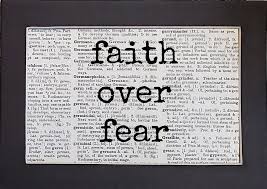
I can’t imagine trying to navigate it all without faith. When I talk about faith, yes, I am referencing a higher power, but I am also referring to a general faith that everything will work out in the end. No matter where we are today as educators and students, there is hope for tomorrow. All hope is not lost. We can and should do better. We will. If given the choice between faith and fear, I choose faith.

 Ramblings of a Misguided Blonde